
Understanding ASME B18.10 Square Nut
2025-01-13
When it comes to fasteners, nuts are essential components in a variety of mechanical and structural applications. Among the many types of nuts available, the square nut stands out for its unique design and versatile functionality. Specifically, the ASME B18.10 Square Nut is a standardized nut used widely in industrial, construction, and automotive applications.
The ASME B18.10 standard is part of the American Society of Mechanical Engineers (ASME) fastener specifications and ensures that the square nut meets specific mechanical, dimensional, and material standards. In this blog, we will delve into the details of the ASME B18.10 Square Nut, including its key features, benefits, applications, and why it remains a preferred choice in many industries.
What is an ASME B18.10 Square Nut?
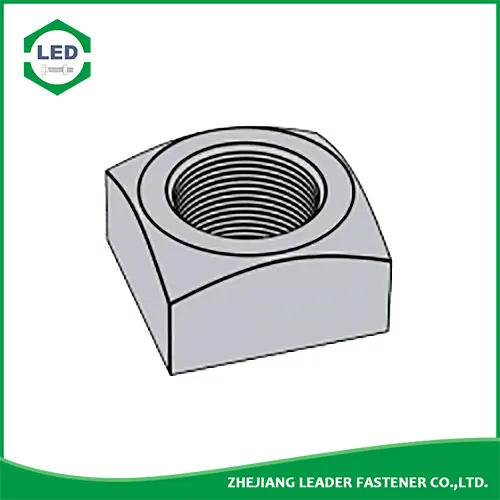
An ASME B18.10 square nut is a type of nut with a square-shaped body that fits over a bolt or threaded rod to secure two or more parts together. This nut features four sides, providing a broader surface area for turning and tightening. This square design is distinct from the more common hexagonal nuts, and it is specifically used in applications where a square shape offers better grip or fits better with the design of the assembly.
The ASME B18.10 standard defines the specifications for square nuts, including their dimensions, material requirements, and mechanical properties. The nuts made according to this standard are manufactured with consistent quality, ensuring reliability and uniformity in performance.
Typically, square nuts are used in situations where a larger surface area is needed for tightening the nut and where a wrench or spanner can be effectively used to secure the nut onto a bolt. The flat sides of the square nut provide a good grip and make it easier to tighten or loosen, especially in applications with high torque requirements.
Key Features of the ASME B18.10 Square Nut
1. Standardized Dimensions
The ASME B18.10 standard ensures that square nuts are manufactured with precise and uniform dimensions. This includes specifications for the nut’s width across flats, thickness, and thread size, ensuring compatibility with corresponding bolts or threaded rods. By adhering to these standards, square nuts provide reliable and consistent performance across various industries.
2. Versatility and Compatibility
ASME B18.10 square nuts are compatible with a wide range of bolts, typically those that feature square heads or hex heads. This makes them versatile and suitable for various types of mechanical and structural applications. The square shape of the nut allows for a better grip, making it easier to apply torque and ensuring a secure fit.
3. Increased Surface Area for Tightening
The square shape provides a larger flat surface area compared to hex nuts, allowing the user to apply more torque when tightening or loosening. This feature is especially useful in high-torque applications where a greater amount of rotational force is required to secure a nut properly.
4. Stronger Grip
The flat sides of the square nut provide a more stable grip compared to round or hex nuts. In some applications, the nut is used where it will be subjected to heavy vibrations, and the square shape can help prevent slippage, offering a more secure fit. This feature makes square nuts an ideal choice for machinery and equipment that experience high levels of vibration or shock.
5. Material Variety
ASME B18.10 square nuts are typically available in a variety of materials, including steel, stainless steel, brass, and alloy steel. The material selection can be tailored to the specific demands of the application, such as corrosion resistance, strength, and temperature stability.
Applications of ASME B18.10 Square Nuts
Square nuts are widely used in various industries and applications. Some of the most common areas where ASME B18.10 square nuts are employed include:
1. Heavy Machinery and Equipment
In industrial machinery, construction equipment, and agricultural machinery, square nuts are often used for securing parts that are exposed to high torque and vibration. Their ability to handle high mechanical loads and provide a strong grip makes them indispensable in these sectors.
2. Automotive Industry
In the automotive sector, square nuts are commonly used for attaching components that experience high levels of stress, such as engine parts, chassis, and suspension systems. The square shape offers better grip when applying torque, making it easier to secure and tighten critical parts.
3. Steel and Construction Industries
Square nuts are frequently used in steel fabrication, structural engineering, and construction projects to secure beams, frames, and other structural components. They are preferred for their high strength and ability to endure extreme pressure and forces that are often encountered in these industries.
4. Electrical and Telecommunications Equipment
In electrical installations and telecommunications towers, square nuts are often used to assemble frameworks, mounting systems, and enclosures. Their large surface area makes it easier to tighten securely, ensuring that the equipment remains stable and operational.
5. Railroad and Aerospace Applications
The square nut’s strength and vibration resistance make it an ideal choice for securing components in the railroad industry and aerospace applications. In these fields, the nuts are subjected to high mechanical stresses and vibrations, and the square nut offers a reliable solution for maintaining component integrity.
The ASME B18.10 square nut is an essential fastener used in various industries, providing secure fastening solutions where high torque, vibration resistance, and durability are crucial. The standardized dimensions and material options ensure compatibility and reliability, making it an excellent choice for heavy-duty applications in sectors such as construction, automotive, machinery, and aerospace.
Whether you're working on structural assemblies, high-stress machinery, or automotive repairs, the ASME B18.10 square nut offers the durability and strength needed for reliable performance. Its ability to withstand high mechanical loads, resist vibration, and provide a strong grip makes it a versatile and dependable fastener in today's industrial landscape.