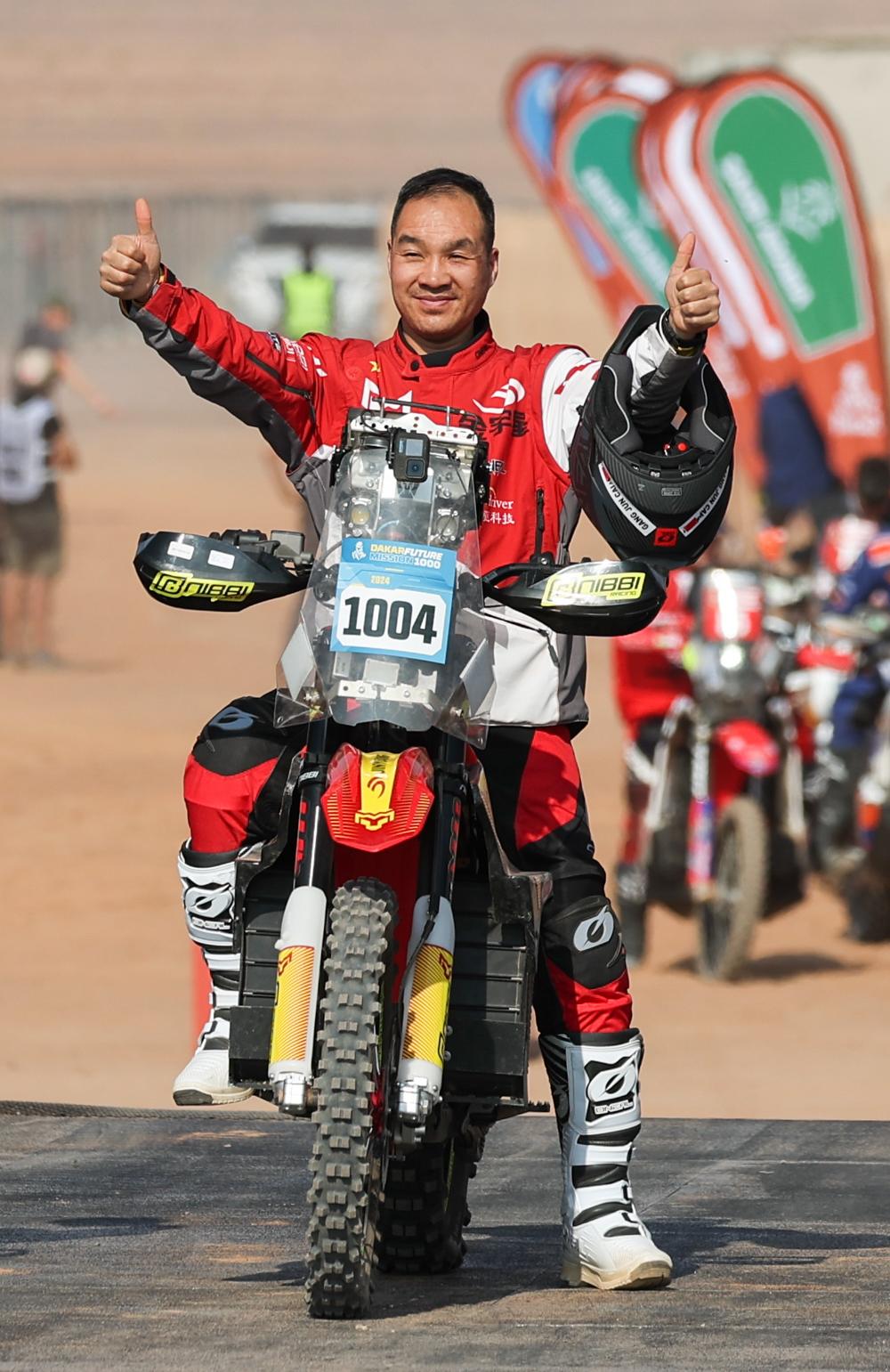

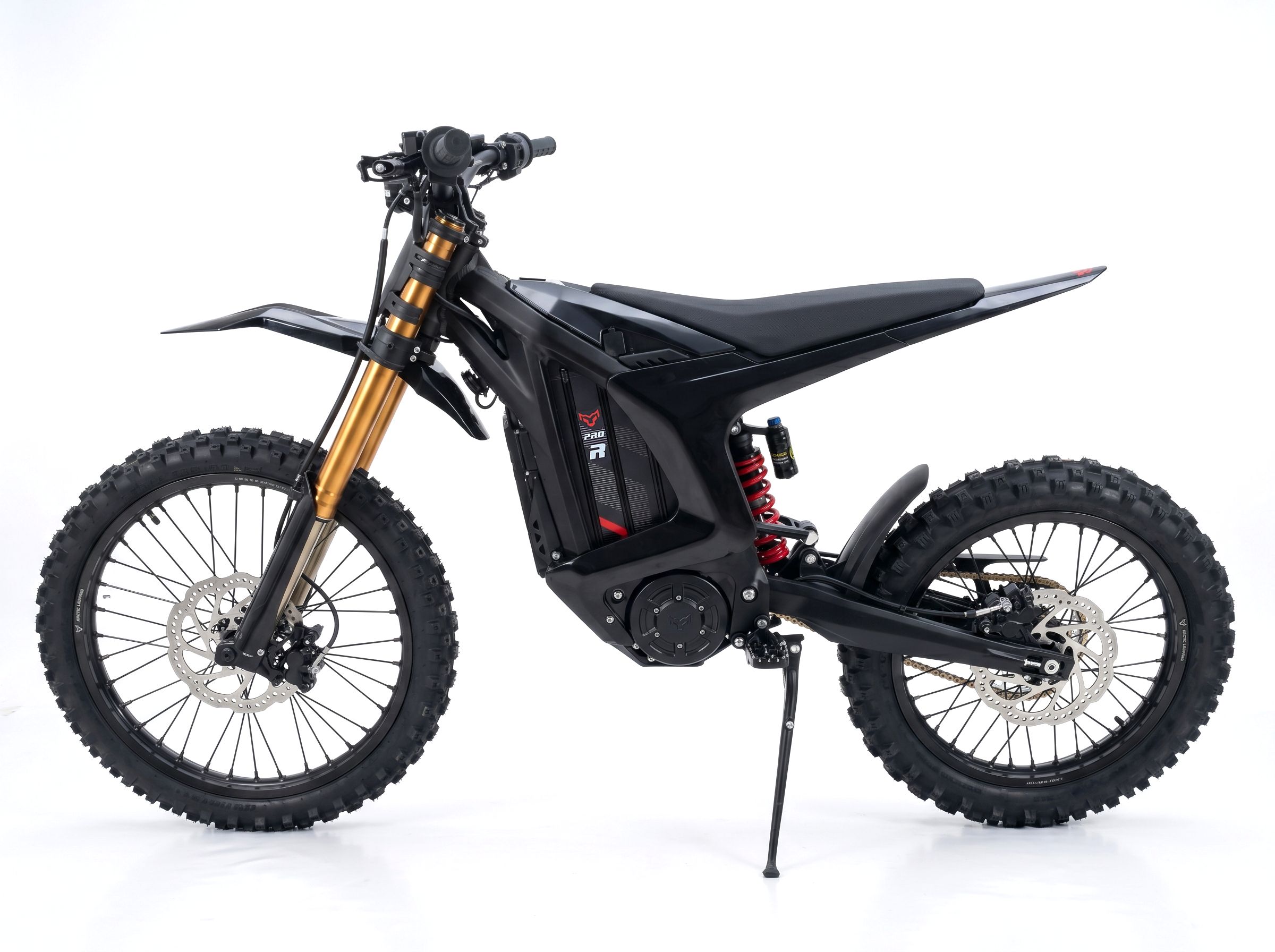
XE Pro R Electric Dirt Bike Supplier Options Worth Considering for Your Next Ride
2026-11-27
If your next ride needs more than just quiet power, the XE Pro R electric dirt bike is one of those supplier options that deserves a closer look. Arctic Leopard has positioned it as a serious contender for riders who want trail-ready torque without the noise or maintenance headaches of gas bikes. The options below break down what actually matters when comparing suppliers, so you can decide whether the XE Pro R fits the way you ride.
Suppliers That Actually Know the XE Pro R Platform
Finding a supplier who genuinely understands the XE Pro R platform means looking past flashy datasheets and checking whether they can discuss voltage rail behavior, low-level timing constraints, and the board’s quirks under sustained load. The better shops tend to speak in specifics: they know which firmware revisions introduced stability fixes, which peripheral combinations cause bus contention, and where thermal throttling begins long before the official limits are reached.
That depth shows up quickly in pre-sales conversations. Instead of reading from a generic compatibility list, experienced suppliers ask about your intended boot configuration, power sequencing, and whether you plan to drive non-standard display outputs. They can also supply or point you toward tested sub-assemblies, modified heat spreaders, and early-access engineering notes that never make it into public manuals.
Working with that kind of supplier changes the support dynamic. Problems get resolved with register-level debugging rather than scripted return labels, and spare parts arrive with revision-matched firmware already flashed. In a platform as tightly integrated as XE Pro R, that practical knowledge is usually the difference between a prototype that boots on the first attempt and one that sits on the bench for days.
Factory-Direct Options for Better Pricing and Custom Builds
Working straight with the people who actually make the products changes the whole conversation. There's no markup stacked on top of markup, no middleman who needs his cut before the item ever reaches your hands. When you talk to a factory team about pricing, you're not negotiating with someone who has to call someone else for approval. That direct line cuts through the usual back-and-forth and lets both sides speak plainly about what a build really costs.
Custom builds are where this relationship really pays off. Most factories keep a library of materials, finishes, and component options that never make it into a standard catalog. If you want a different gauge of metal, a heavier-duty hinge, a specific thread color, or a slightly adjusted dimension, that's usually a simple conversation rather than a special-order headache. Because the people making the product are the same ones taking your notes, small tweaks don't get lost in translation between a sales rep and a production floor.
You also get more honest answers about lead times and material availability. A factory rep can tell you right away whether a certain component is on hand or weeks out, and they can often suggest a substitute that keeps your schedule intact. That level of practical knowledge is hard to find when you're buying through layers of distribution. At the end of the day, you're not just getting a lower unit price—you're getting a partner who can adjust the product to fit your application instead of forcing your application to fit the product.
Regional Distributors That Keep Parts Close By
When equipment sits idle waiting on a part, the distance between the machine and the nearest warehouse starts to matter a lot. Regional distributors cut that distance down by placing stock in locations that serve a smaller geographic area, often within same-day reach of the shops and fleets that rely on them. That setup tends to reduce freight charges and makes emergency orders feel less like a gamble.
There’s also a quieter benefit: familiarity. A distributor that works mostly within one region often knows which components fail most often in that climate or industry mix, so the shelves are stocked with parts that actually get used rather than a generic national list. If a branch is short on something, another location nearby can usually fill the gap without the delay of a cross-country shipment.
None of this means every part can be sitting on a shelf five miles away, and some specialty items will still need to come from farther out. But for the routine, urgent, and repeat-item needs that make up the bulk of maintenance work, having regional inventory close by keeps downtime from stretching into days.
Online Storefronts Worth a Closer Look
When browsing independent shops online, the ones that hold attention rarely follow the same tired layout. Some rely on photography that feels more like an editorial spread than a product grid, while others weave customer reviews into short, almost diary-like notes. Those tiny choices make a storefront feel curated rather than assembled.
A closer look often reveals details that don't shout for attention. There might be a sizing guide written with unusual honesty, a shipping page that explains delays without corporate hedging, or a collection organized around a mood instead of a category. These stores tend to reward patience: the longer you scroll, the clearer their point of view becomes.
What separates a memorable storefront from a forgettable one rarely comes down to price or range. It is usually a sense of taste, a willingness to leave some things unexplained, and the confidence to break familiar ecommerce patterns. Once you notice that, you start looking at every online shop a little differently.
Red Flags That Separate Solid Suppliers from the Rest
A supplier worth keeping tends to push back early. If a quote comes back within an hour without a single question about tolerances, finish, or shipping conditions, that is usually a sign nobody actually read the drawing. Solid suppliers ask about stack-ups, surface prep, packaging corners, or whether the part sits outdoors. The ones who reply “no problem” to everything before the order are often the same ones who go quiet after the deposit clears.
Another tell is how documentation moves. A dependable source will send updated CAD files, tooling photos, and inspection sheets before you think to ask. A weaker one hides behind a sales contact and gives you a new story every time you request batch records or material certs. When the origin details, HS code, or weight changes between emails, that is a red flag that the back office is improvising.
The largest warning is how errors surface. Solid suppliers flag dimensional drift, late raw material, or a plating issue while there is still time to adjust. Unreliable ones deliver the parts first and mention the deviation later, usually after you have already found it on the CMM or on the line. If a factory claims capacity that never matches its actual past shipments, or asks to alter payment terms after the PO is signed, treat that as a signal to verify before committing further.
Matching a Supplier to Your Riding Style and Terrain
Matching a supplier to your riding style starts with an honest look at how you actually spend your saddle time. A rider who chases long gravel loops and remote fire roads needs a brand that treats frame compliance and tire clearance as non-negotiables, while a weekend park rat should prioritize companies known for reinforced pivots and crash-worthy parts availability. Ask what the supplier celebrates in their own demo fleet or team riders—if their proudest builds are all downhill sleds and you are a touring minimalist, that gap will show up in geometry and gearing advice long before the first ride.
Terrain adds a second layer that most spec sheets never capture. Sandy flats and root-choked singletrack punish wheels and bearings differently than buffed pump tracks, so look for a supplier who speaks plainly about hub service intervals, spoke counts, and local weather realities instead of rattling off weights. The best matches often come from companies that stock spare derailleur hangers, offer rebuild kits for their own suspension links, or publish torque specs for mixed-material frames—small signals that they understand the trails you will actually ride, not just the ones in a launch video.
Finally, test how the supplier handles the in-between moments: a cracked rim after a rock garden, a warranty question about a creaking bottom bracket, or a mid-season spec change on a dropper post. A brand that answers with specific torque values and a realistic shipping date earns trust faster than one promising universal perfection. If their support language mirrors the way you talk about your own rides—muddy, pragmatic, occasionally improvised—you have likely found a partner rather than just a parts source.
FAQ
Look past the spec sheet. Confirm whether the supplier has real experience with electric off-road bikes, can provide detailed component breakdowns for the motor and battery, and has a clear process for warranty claims. A quick call with their support team often tells you more than the website copy.
The instant torque makes low-speed rock sections easier to manage, and the lack of clutch work reduces fatigue on long rides. You trade some top-end punch for that smooth low-end control, so it suits technical and flowy singletrack better than wide-open desert pulls.
Smart buyers order common wear items with the bike: brake pads, a spare chain, linkage bearings, and an extra charger cable. Not every supplier keeps deep inventory locally, so asking for a recommended spare-parts list upfront can save weeks of downtime later.
Expect at least 12 months on the frame and major electrical components such as the motor, controller, and battery. Be cautious if a supplier cannot explain in writing how battery degradation claims are handled, since that is the most likely area for disputes.
Direct orders often allow minor customization like suspension settings, gearing, or graphics, and pricing can be better without a distributor margin. The downside is slower support if something arrives damaged, so clarify who handles freight claims and local troubleshooting before you commit.
Most suppliers quote two to six weeks for container or pallet shipping, depending on whether the bike is in stock or built to order. Port delays and battery transport rules can stretch that timeline, so get a written estimate with milestone updates rather than a vague soon.
Dependable suppliers are transparent about battery sourcing, offer real service documentation, and do not disappear after payment. Ask for a video walkthrough of the exact bike before shipping and request references from buyers who have had the model for over six months.
Some distributors have demo units or can connect you with a nearby owner. If a test ride is not possible, ask for unedited riding footage, battery range tests under realistic loads, and a written return or replacement policy for defects found within the first few rides.
Conclusion
Finding a dependable source for the XE Pro R electric dirt bike often starts with locating shops that actually understand the platform rather than simply listing it among unrelated inventory. These suppliers can speak to real-world quirks, from controller tuning to suspension behavior on rocky climbs, and that kind of knowledge saves time when problems show up. Factory-direct options remain attractive if you want better pricing or a custom build, such as a different gearing setup or an adjusted battery configuration, but the tradeoff is usually slower delivery and less direct after-sale support. A regional distributor can fill that gap by keeping controllers, levers, and motor components close by, so a simple crash does not turn into a multi-week wait for parts that should have been on hand.
Online storefronts deserve attention, though a clean website does not always mean a reliable operation. A solid seller tends to answer torque and voltage questions in detail, show current stock, and handle warranty issues without making the buyer chase every step. If a supplier avoids technical questions, leans only on discounted pricing, or offers no clear return path, that is usually a signal to look elsewhere. It also helps to match the source to how you ride. Tight trails with steep climbs call for a supplier that understands gearing changes and brake upgrades, while open desert riding may push you toward battery range and motor cooling solutions. Choosing with your terrain and riding style in mind makes the XE Pro R far easier to own and enjoy over time.
Contact Us
Contact Person: Jack
Email: [email protected]
Tel/WhatsApp: +86 15657688888
Website: https://www.arctic-leopard.com