

Top Walk-Behind Power Trowel Makers: Which Brands Deliver Superior Performance?
2026-07-28
When it comes to achieving smooth, durable concrete floors, the trowel you choose is everything. Walk-behind power trowels are the unsung heroes of flawless finishing, but not all brands pull their weight on the job site. Whether you're a seasoned contractor or tackling your first big pour, the difference between a showroom shine and a costly redo often comes down to the machine in your hands. Among the contenders, Dynamic has been quietly building a reputation for power and precision—but does it truly outperform the old guard? In this guide, we break down the standout manufacturers and what really separates top-tier performance from the rest. Get ready to rethink what you expect from your trowel.
What Sets the Best Walk-Behind Trowel Brands Apart
Not all walk-behind trowels are created equal, and the brands that consistently rise to the top share a commitment to engineering that prioritizes both operator comfort and long-term reliability. The best brands obsess over the balance between weight distribution and blade speed, ensuring that even on challenging pours, the machine glides without excessive vibration or operator fatigue. They use cast-iron spiders and gearboxes with tight tolerances, and they don’t cut corners on the thickness of the blades or the quality of the pitch adjustment mechanism. This attention to detail means that from the first pass to the final burnish, the trowel feels responsive and stable, allowing finishers to achieve a higher quality finish in fewer passes.
Another hallmark of top-tier manufacturers is their modular approach to design, making maintenance and upgrades straightforward rather than a battle with obsolete parts. Instead of proprietary, hard-to-source components, the leading brands design their machines with common industrial bearings, easy-access grease points, and quick-release blade systems. This not only reduces downtime but also empowers crews to adapt the trowel to different slab conditions—swapping from float to finish blades in minutes. Moreover, the best brands back their engineering with a network of dealers who actually stock parts and provide knowledgeable support, ensuring that a broken shear pin or a worn belt doesn’t derail a project.
Finally, innovation that genuinely improves the finishing process separates the exceptional from the merely adequate. Whether it’s a patented overlapping blade path that eliminates swirl marks, a wireless pitch control that keeps the operator’s hands free, or a fuel-injected engine that holds consistent RPMs under load, the best brands don’t add features for the sake of a brochure. They solve real-world problems: reducing operator fatigue on large slabs, improving edge finishing without adding a walk-behind edger, or making the machine start reliably in cold weather. Ultimately, the brands that stand out are those that listen to finishers and continually refine their trowels to meet the evolving demands of the concrete industry.
Power and Precision: Key Performance Metrics
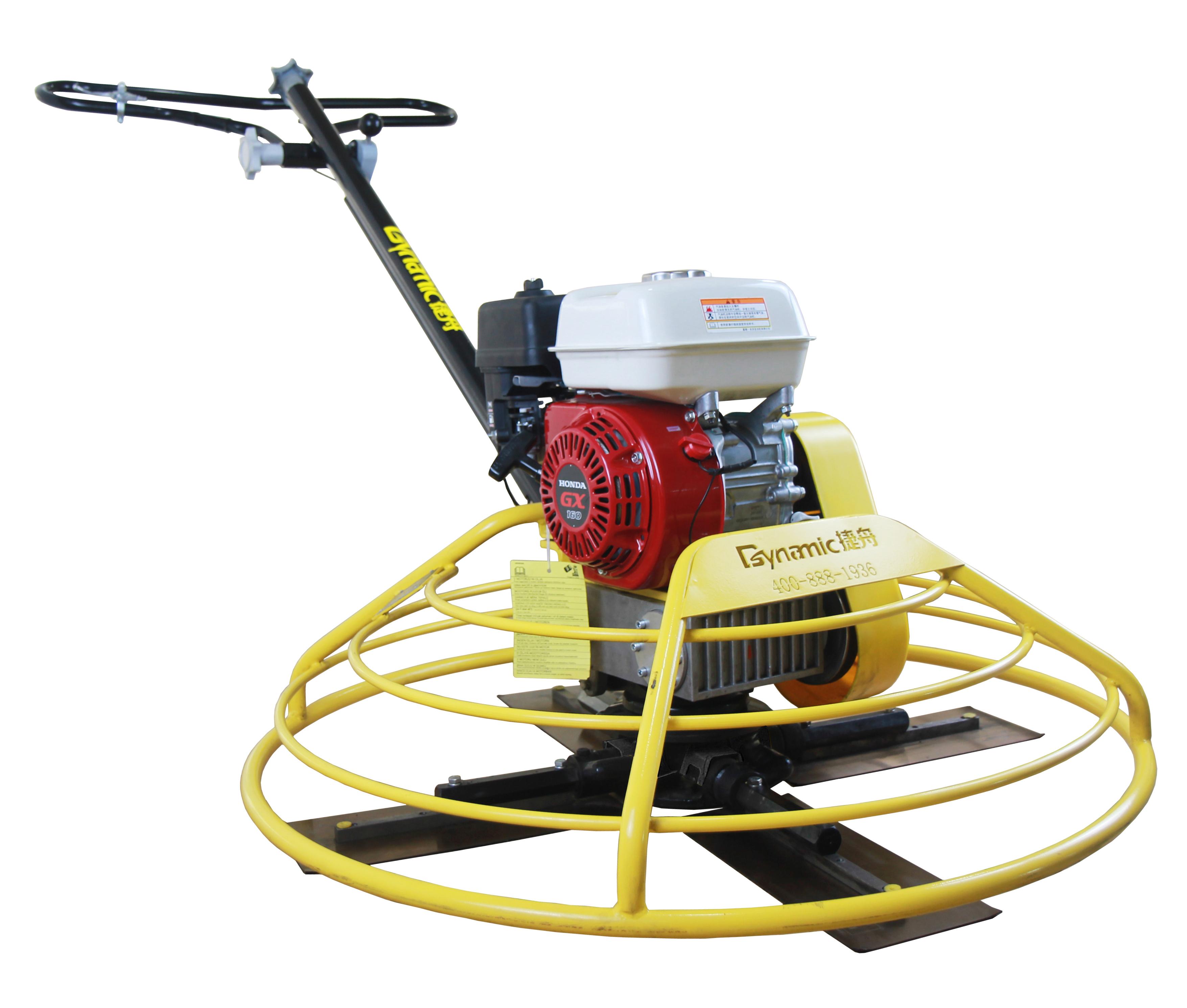
True performance isn't just about raw numbers—it's the interplay between brute force and delicate control that defines greatness. Power, measured through metrics like peak torque, throughput, or maximum load capacity, tells you what a system can handle at its limits. Precision, on the other hand, reveals how consistently it can deliver within those bounds, often captured by variance, error margins, or repeatability tests. Together, they paint a picture of not just capability, but reliability under pressure.
In real-world applications, the gap between power and precision becomes a litmus test for design maturity. A hydraulic press might exert thousands of tons, yet if its positional accuracy drifts by millimeters, the entire process crumbles. Similarly, in data systems, high throughput means little if latency spikes unpredictably. The most elegant solutions don't just chase one extreme; they balance the two, using feedback loops and adaptive control to turn raw potential into graceful, repeatable action.
Tracking these metrics over time also uncovers hidden trends. A slow decay in precision might signal impending wear before a catastrophic loss of power occurs. Conversely, a sudden boost in power with no corresponding increase in precision could point to an unstable configuration. Observing how these two dimensions ebb and flow lets engineers spot the early whispers of failure and fine-tune for both peak performance and lasting resilience.
Durability and Build Quality That Lasts
From the moment you pick it up, the solid weight and seamless construction tell you this isn’t a product that cuts corners. Every joint, every surface, every moving part has been engineered to withstand daily use without showing its age. We’ve chosen materials that resist scratches, dents, and corrosion—so the item looks just as good a year from now as it does today.
Inside, the components are secured with precision, eliminating the rattles and wobbles that plague lesser alternatives. Even the finish is more than skin-deep: it’s bonded at a molecular level to create a protective layer that doesn’t peel or fade. You’ll feel the difference every time you use it—no flex, no creaks, just reliable performance.
We back this confidence with rigorous real-world testing. Prototypes are dropped, shaken, baked, and frozen before they ever reach production. The result is an item that’s truly built to last, not just designed to look tough in photos. When you invest in something that’s meant to be used, not replaced, every detail matters—and we’ve obsessed over them all.
Ease of Use and Operator Comfort
The machine's interface is built around how people naturally work, not how menus are typically structured. Controls fall right where your hands rest, and the touchscreen responds to gloved fingers without needing a firm press. There’s no hunting through submenus for everyday adjustments — the most-used settings sit on the home screen, clearly labeled with icons that make sense at a glance. It’s the kind of layout that lets an operator jump in and feel capable within minutes, even if they’ve never touched this model before.
Long shifts feel less punishing thanks to a cab designed with real feedback from crews who spend 10-12 hours at the controls. The seat adjusts in more ways than you’d expect, and the armrests move with it so your posture stays neutral whether you’re looking forward or watching an attachment behind you. Climate control is quiet but effective, directing airflow where it actually hits the operator instead of just fogging the glass. Small touches, like a phone tray that doesn’t let devices slide around and a sound package that dampens hydraulic whine, make the space feel less like a workplace and more like a second office.
Switching between tasks doesn’t require a manual or a cheat sheet. The jog dial and quick-access buttons let you flip from digging to grading modes without losing your rhythm, and the feedback is just tactile enough to confirm selections without taking your eyes off the work. Even daily checks are simpler — fluid levels and filter indicators are visible from ground level, so you’re not climbing up and down more than necessary. It’s a system that respects the operator’s time and attention, smoothing out the small frustrations that add up over a workday.
After-Sales Support and Warranty Considerations
When evaluating a product, what happens after the purchase matters just as much as the initial specs. A solid after-sales support system can turn a frustrating experience into a minor hiccup. Look for brands that offer multiple ways to reach help—whether that's live chat, a responsive email team, or a callback service. Quick, human responses beat automated loops every time. Some companies even maintain active community forums where users and staff solve problems together, creating a knowledge base that grows over time.
Warranty terms often hide details that can trip you up later. Beyond the length of coverage, check what's actually included. Does the warranty cover accidental damage, or only manufacturing defects? How about shipping costs for repairs, and will you be without your device for weeks? A few manufacturers offer advance replacements, sending a replacement before you return the faulty unit—a genuine lifesaver if you depend on the gear daily. Also note whether the warranty is international or region-locked, which matters for frequent travelers.
Finally, pay attention to how extended warranties and service plans are structured. Some are worth the investment, especially for high-ticket items where repair bills can sting. Others only duplicate what's already in the standard warranty. Read the fine print on deductibles and exclusions, and consider the company's reputation for honoring claims without hassle. Real user reviews and independent repair statistics often reveal more than the warranty brochure ever will.
Real-World Feedback from Contractors
One contractor told me how the new estimating tool cut his takeoff time by nearly half. He could pull up historical material costs right from past projects, no more digging through old spreadsheets. For him, it wasn’t just about speed—it meant he could bid on more jobs without working weekends.
Another team shared how the on-site logging feature changed their punch list process. Instead of scribbling notes on a damp notepad, they could snap photos and tag issues directly to the floor plan. The back office saw updates instantly, which stopped a lot of back-and-forth calls. One foreman said it felt like having an extra set of hands just for coordination.
I also heard from a small subcontractor who was wary of tech but tried the app after a trial. He ended up customizing the daily report templates to match his client’s format—something that used to eat his evenings. Now he sends reports from the site and gets home on time. He admitted that not having to train anyone on the tool was what finally convinced him; his crew just got it.
FAQ
Walk-behinds really shine when you’re working in tighter spaces or on smaller slabs where maneuverability matters more than raw coverage speed. They give you better feel for the concrete surface, letting you adjust pressure and angle on the fly, which helps when you’re chasing a high-quality finish in confined areas.
If longevity is the main goal, brands like Allen Engineering and Bartell are often mentioned. Their machines are built with heavy-duty gearboxes and reinforced frames that stand up to daily abuse on commercial sites without constant breakdowns.
Start with a float pan when the concrete is still soft and you need to open up the surface and embed aggregate. Once it firms up, switch to finishing blades to get that hard, burnished look. The timing depends on the set of the concrete, so watch the surface, not the clock.
For most driveways, patios, and basement slabs, a 36-inch machine hits the sweet spot. It’s large enough to cover ground efficiently but still light enough to handle without wearing yourself out, and it fits through standard gates and garage openings.
Multiquip and MBW are worth a look if you want reliable performance without breaking the bank. They don’t always have the premium polish of top-tier names, but they deliver consistent results and parts are easy to find, which keeps operating costs down.
A combination of adjustable blade pitch, a responsive throttle, and a well-balanced design makes a huge difference. Also, don’t overlook the importance of a comfortable handle — fatigue leads to uneven passes. Some pros prefer machines with a dead-man switch for safety without sacrificing control.
In certain regions, brands like Wacker Neuson’s older models or even the niche import units sold under names like Tomahawk have a loyal following. They might not have widespread recognition, but operators who prioritize a certain balance or blade speed often swear by them for specific finishes.
Conclusion
The walk-behind power trowel market is fiercely contested, but a handful of brands consistently rise above the noise by nailing the fundamentals that matter most on the jobsite. What separates the best isn't just raw horsepower—it's how effectively that power translates into a smooth, even finish without exhausting the operator. Top performers balance engine torque with finely tuned blade speed and pitch controls, letting you feather edges or burn in a hard-trowel surface with minimal effort. Build quality is another undeniable differentiator: reinforced gearboxes, thick-gauge steel rings, and sealed bearings that shrug off dust and slurry prove their worth after hundreds of hours. Contractors repeatedly cite brands like Allen Engineering, Multiquip, and Wacker Neuson for machines that don’t just survive punishing schedules but keep producing flat floors year after year. The difference often comes down to the details—things like spider assemblies that resist flexing under load or handlebar designs that isolate vibration, reducing fatigue during long pours.
Beyond the spec sheet, what keeps operators loyal is how a trowel feels in the hands and the support network behind it. Ease of use goes deeper than simple controls; it's about intuitive blade adjustment that doesn't require stopping the machine, weight distribution that makes the unit stable yet easy to tilt, and sightlines that let you spot imperfections early. Equally telling is how companies stand behind their equipment—responsive parts availability, knowledgeable dealers who actually use the machines, and warranties that cover the components that tend to fail first. Real-world feedback from crews who run these trowels daily reveals that the quietest operators are often the most productive, as lower noise and vibration mean sharper focus and fewer mistakes. Ultimately, the brands that deliver superior performance aren't always the cheapest upfront, but they more than pay off through less downtime, fewer callbacks, and floors that clients notice.
Contact Us
Contact Person: Annie
Email: [email protected]
Tel/WhatsApp: 8613391442963
Website: https://www.dynamic-eq.com