

Top Solar Rail Supplier: Your Ultimate Guide to High-Quality Solar Panel Mounting Systems
2026-02-04
Discover how Energet Solar leads the way as a top solar rail supplier, offering rugged and reliable mounting systems that transform solar installations. In this guide, you'll learn why our high-quality solutions maximize energy output and durability, while simplifying the setup process. Get ready to explore the features that set Energet Solar apart and empower your renewable energy projects with unmatched efficiency.
Discover the Leading Solar Rail Suppliers in the Renewable Energy Market
When it comes to solar installations, the rails that hold those panels in place might seem like a minor detail, but they’re one of the most critical components for long-term performance and durability. Leading solar rail suppliers have stepped up to meet the demands of varied environments—whether it’s handling coastal corrosion, extreme winds, or heavy snow loads. Companies like Unirac, IronRidge, and Schletter have carved out reputations for precision engineering, offering rails that simplify on-site assembly while cutting down installation time. Their products often come with integrated grounding solutions and adjustable clamps, making them a go-to for contractors who prioritize both speed and reliability.
What sets top suppliers apart isn’t just hardware—it’s their deep understanding of project scalability and custom needs. For example, some now provide rails tailored for complex rooftop layouts or challenging terrains, using high-strength aluminum alloys that resist weathering without adding unnecessary weight. Others focus on innovation in mounting systems, developing solutions like ballasted or hybrid rails that minimize rooftop penetrations. This adaptability allows installers to tackle everything from small residential setups to sprawling utility-scale farms with confidence, knowing the rail system won’t be a weak link over decades of sun exposure.
In a market where efficiency and longevity are paramount, the best solar rail manufacturers also back their products with robust warranties and extensive testing data. They engage in real-world trials and collaborate closely with installers to refine designs, ensuring rails withstand everything from typhoons to desert heat. By focusing on ease of use, material sustainability, and forward-thinking support, these leaders help drive down overall project costs while boosting energy outputs—proving that even the 'hidden' parts of a solar array play a pivotal role in our renewable energy future.
Essential Features to Look For in High-Quality Mounting Systems
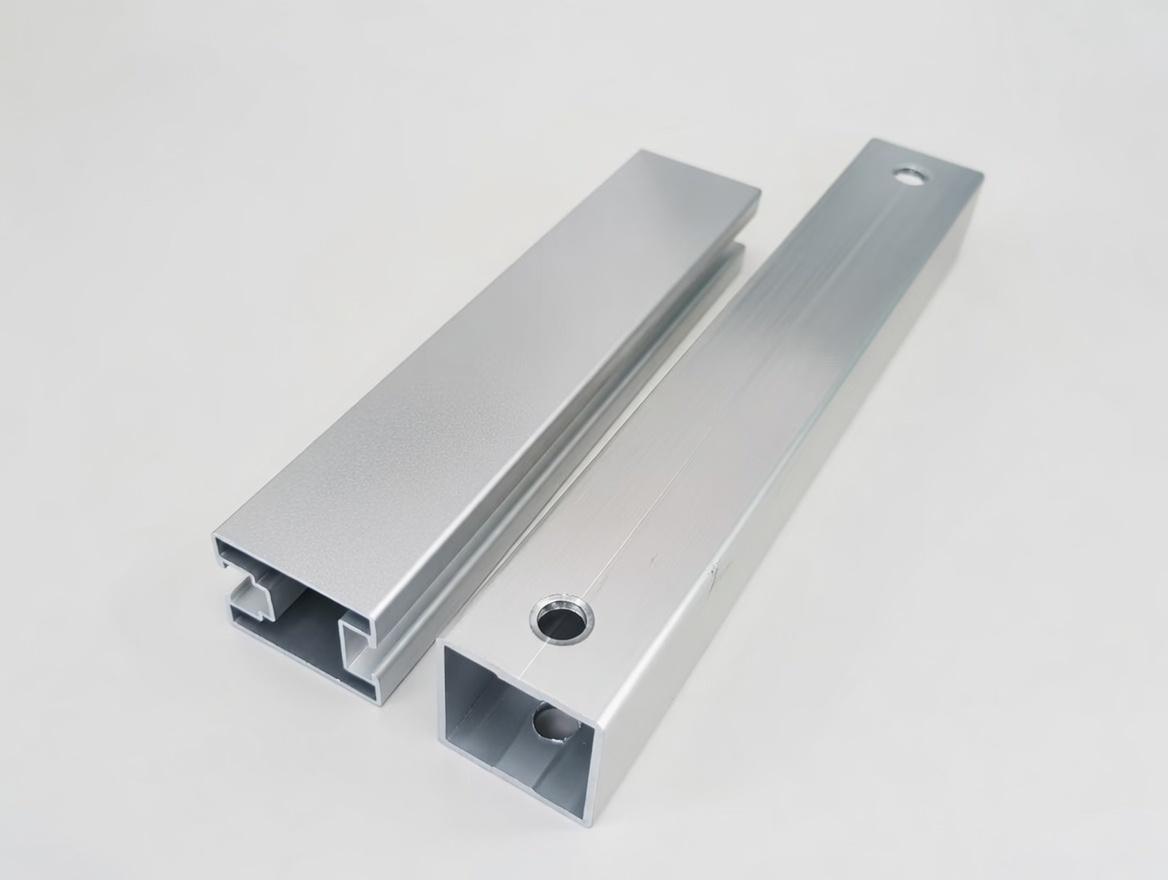
When you're hunting for the ideal mounting system, don't just settle for the basics—aim for components that truly elevate your setup's performance. Key aspects to zero in on include robust construction materials, like anodized aluminum or stainless steel, which resist corrosion and stand up to heavy loads without buckling. Look for systems that incorporate precision engineering, such as ball-and-socket joints or micro-adjustment knobs, allowing for smooth, pinpoint alignment that eliminates frustrating wobble. A high-quality mount should seamlessly integrate with your equipment, offering customizable options and easy installation features that save you time and hassle in the long run.
Durability and stability are non-negotiables; a top-tier mounting system should handle vibrations and environmental stressors without breaking a sweat. Features like multi-layer coatings or reinforced locking mechanisms ensure it stays secure through intense use or shifting conditions, providing peace of mind in dynamic settings. Beyond just holding things in place, consider ergonomic designs that enhance usability, such as quick-release levers or cable management solutions that keep your workspace tidy and efficient. These thoughtful touches make a big difference in daily operation, setting apart premium mounts from their flimsier counterparts.
Finally, prioritize adaptability and future-proofing by choosing a system that supports modular expansions or compatibility with various accessories. This flexibility allows you to upgrade or reconfigure your setup as needs evolve, without replacing the entire mount. Check for certifications or warranties that back up the manufacturer's claims, indicating a commitment to quality. By focusing on these nuanced features, you'll invest in a mounting solution that not only meets current demands but also grows with your projects, delivering reliable performance year after year.
How Durable Materials Enhance Long-Term Solar Panel Performance
Imagine a solar panel not just as a clean energy producer but as an enduring asset, its performance locked in over decades rather than years. At the heart of this longevity are durable materials—think tempered glass with anti-reflective coatings that shrug off hailstorms, or robust encapsulants like ethylene-vinyl acetate (EVA) that protect delicate silicon cells from moisture and temperature swings. These components work in concert to prevent common degradation issues, such as micro-cracks or delamination, ensuring the panel maintains high efficiency even under harsh environmental stresses, from scorching summers to freezing winters.
Beyond mere resistance, durable materials actively contribute to sustained output by minimizing losses over time. For instance, advanced backsheets made from fluoropolymer composites resist UV degradation and chemical corrosion, preventing yellowing or brittleness that can reduce light transmission. Coupled with corrosion-resistant aluminum frames and weather-proof junction boxes, these materials create a sealed, resilient unit that withstands decades of exposure, reducing the need for frequent maintenance and repairs. This directly translates to lower lifetime costs and a more reliable energy harvest, as the system's initial performance metrics hold steady, rather than dropping off prematurely.
In practical terms, investing in such materials pays off in real-world scenarios—like solar farms in coastal areas where salt spray accelerates wear, or rooftops in urban settings with pollution buildup. By choosing panels built with top-tier durability, users benefit from extended warranties, often 25 years or more, backed by slower degradation rates (e.g., less than 0.5% per year). This durability isn't just about survival; it's about optimizing energy yield and financial returns, making solar installations a smarter, long-term investment that reliably powers homes and businesses for generations.
Innovative Installation Techniques for Maximum Efficiency and Safety
Let's break down some game-changing approaches to installation that prioritize both speed and safety. Instead of relying on old-school manual methods, consider leveraging automated systems that minimize human error. For instance, modular prefabrication allows components to be assembled off-site in controlled environments, reducing on-site labor and exposure to hazards. By integrating real-time monitoring tools, teams can track progress and detect potential issues early, ensuring smoother operations without compromising safety protocols. It's not just about cutting corners—it's about smarter workflows that enhance overall project timelines while keeping everyone secure.
Dive into techniques like robotic assistance, which transforms tedious tasks into precise, repeatable processes. These robots can handle heavy lifting or delicate maneuvers, significantly lowering injury risks and boosting efficiency. Pair this with advanced training programs that equip workers with VR simulations, offering hands-on experience in a risk-free setting. This dual focus on technology and skill development means installations aren't just faster; they're also more resilient against accidents, fostering a culture where safety and productivity go hand-in-hand.
Another key aspect is adaptive planning, which tailors installation methods to specific site conditions. By using predictive analytics, teams can anticipate challenges like weather disruptions or material shortages, adjusting strategies on the fly. This proactive approach reduces downtime and ensures safety measures are always up-to-date. In essence, embracing these innovative techniques means moving beyond one-size-fits-all solutions to create a dynamic, responsive installation environment that maximizes both output and well-being.
Comparing Cost-Effective Solutions from Top Industry Players
When evaluating cost-effective solutions from leading industry players, it's crucial to look beyond just the sticker price. These top providers often bundle advanced features, superior support, and scalability into their offerings, which can translate into long-term savings and enhanced operational efficiency. For instance, Company A's cloud-based platform might initially seem more expensive compared to Budget Provider B's basic package; however, its automated tools and robust security measures could reduce manual labor and mitigate risks, ultimately lowering total cost of ownership over a multi-year period.
Another key aspect to consider is how these solutions adapt to your specific business needs. Industry leaders like Company C and Company D frequently offer flexible pricing models, such as pay-as-you-go or tiered subscriptions, allowing organizations to scale resources without overcommitting financially. This approach prevents unnecessary expenditure on unused features while ensuring that as your operations grow, the solution grows with you—avoiding the costly pitfalls of outgrowing a cheaper, less adaptable alternative too quickly.
Moreover, the hidden costs associated with implementation, training, and downtime can significantly impact overall value. Top players often excel here by providing comprehensive onboarding, extensive documentation, and reliable uptime guarantees. For example, a solution from Company E might include dedicated support teams and regular updates that minimize disruptions, whereas a lesser-known competitor could lead to more frequent troubleshooting and lost productivity, eroding any initial price advantage. By thoroughly comparing these factors, businesses can make informed decisions that balance upfront costs with sustainable performance.
Real-World Applications and Customer Success Stories with Advanced Rails
Many companies have leveraged advanced Rails features to build scalable, high-performance applications. For instance, a fintech startup used Rails' sophisticated caching mechanisms and background job processing to handle millions of transactions daily, reducing server costs by 40% while improving response times. This real-world application showcases how Rails' mature ecosystem, including tools like Sidekiq and Redis, can be harnessed for complex financial data processing, leading to tangible business benefits.
Customer success stories often highlight Rails' flexibility in adapting to diverse industry needs. A healthcare provider implemented a custom EHR system using Rails' API-driven architecture and real-time features like Action Cable, enabling seamless data synchronization across mobile and web interfaces for clinicians. This resulted in a 30% increase in operational efficiency, demonstrating Rails' capability to support mission-critical applications in regulated sectors, where reliability and compliance are paramount.
Beyond traditional web apps, advanced Rails has powered innovative solutions like an e-commerce platform that integrated machine learning for personalized recommendations using Rails' robust testing frameworks and microservices support. By deploying with Docker and Kubernetes, the team achieved 99.9% uptime and doubled conversion rates, illustrating how Rails can evolve with modern DevOps practices to drive customer engagement and revenue growth in competitive markets.
FAQ
High-quality solar rail systems typically feature durable materials like aluminum or stainless steel, corrosion-resistant coatings, and precision engineering for easy installation and long-term reliability in harsh weather conditions.
Properly designed rails ensure optimal panel alignment and spacing, which can improve airflow and reduce shading, leading to higher energy output and overall system efficiency.
Look for suppliers with a proven track record, certifications for safety and quality, customizable options, and strong customer support, as these elements ensure a reliable and tailored solution for your project.
Yes, systems vary for flat roofs, pitched roofs, and ground mounts, with options like ballasted, penetrating, or tile-integrated rails to suit different structural requirements and installation methods.
Regular inspections for loose fasteners, corrosion, or debris buildup are key; most high-quality rails need minimal maintenance, but checking annually helps prevent issues and extends system life.
Absolutely, many suppliers offer scalable rail systems that work for small home setups to large commercial arrays, with adjustments in size and load capacity to meet diverse needs.
A solid warranty, often 10-25 years, indicates supplier confidence in durability and performance, providing peace of mind against defects or premature failure in your investment.
Conclusion
In the competitive world of renewable energy, selecting a superior solar rail supplier is crucial for ensuring long-lasting solar panel performance. This guide explores leading providers in the market, emphasizing essential features such as robust materials and innovative installation techniques that enhance efficiency and safety. By understanding what sets top suppliers apart, you can make informed decisions that maximize the durability and effectiveness of your solar mounting systems.
Beyond basic specifications, real-world applications and customer success stories highlight how advanced rails perform under various conditions. Comparing cost-effective solutions from industry leaders allows for smart investments, balancing quality with affordability. Ultimately, this comprehensive overview empowers you to choose high-quality mounting systems that not only meet but exceed expectations, driving sustainable energy goals forward with reliable, cutting-edge technology.
Contact Us
Contact Person: Simon
Email: [email protected]
Tel/WhatsApp: 8613672181100
Website: https://energetsolar.com/