

Top MVNE Platform: The Ultimate Guide for Mobile Virtual Network Operators
2026-05-22
Launching a mobile virtual network operator (MVNO) can feel like navigating a maze of complex infrastructure and regulations. But with the right MVNE platform, the path becomes clear. IPLOOK stands out as a top-tier partner, offering the tools and expertise to accelerate your entry into the market. In this ultimate guide, we'll unpack how IPLOOK simplifies the entire process, so you can focus on innovation, not integration.
Why Your Mobile Brand Needs an MVNE More Than Ever
Running a mobile brand today feels like trying to build a plane while flying it—especially when you’re juggling network agreements, SIM provisioning, billing systems, and customer support all at once. An MVNE (Mobile Virtual Network Enabler) takes that weight off your shoulders, giving you a ready-to-use technical backbone so you can focus on what actually sets you apart: your brand, your customer experience, and your unique value proposition. Without one, you’re sinking time and money into infrastructure instead of growth.
The market is more crowded than ever, and subscribers expect seamless connectivity, instant activation, and flexible plans that traditional setups can’t always deliver quickly. Partnering with an MVNE means you can launch new offers in weeks rather than months, adapt to shifting consumer demands without being chained to legacy systems, and scale up—or down—without the usual headaches. It’s the difference between being a niche player that struggles to keep the lights on and a lean, responsive brand that punches above its weight.
Beyond cost savings and speed, an MVNE brings deep industry know-how that’s hard to cultivate internally. They’ve already solved the compliance puzzles, negotiated with multiple carriers, and ironed out the technical gremlins so you don’t have to. That means fewer sleepless nights worrying about a core network outage or a billing glitch that could send customers running. In a landscape where customer loyalty is won or lost in a single poor experience, having that solid, invisible foundation isn’t just a luxury—it’s a survival strategy.
Decoding the MVNE: More Than Just a Middleman
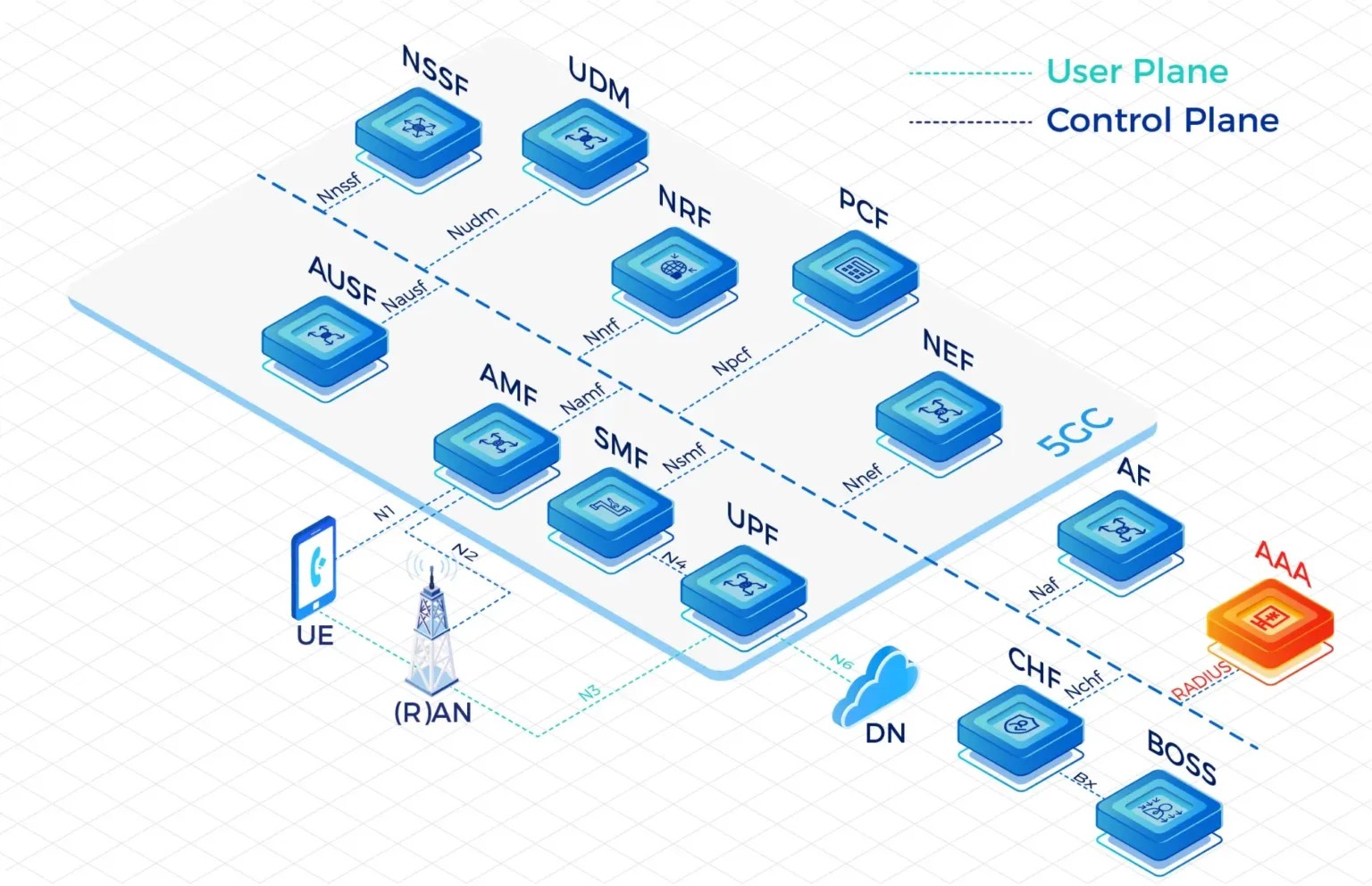
Often misunderstood as a simple intermediary, the Mobile Virtual Network Enabler functions far beyond the basic bridging of operators and brands. Instead of merely reselling access, a capable MVNE constructs a fully managed ecosystem—deploying core network infrastructure, handling real-time provisioning, and offering a scalable platform that lets newcomers launch voice and data services without investing in expensive hardware or spectrum licenses.
What truly sets the enabler apart is its role as an accelerator and innovation workshop. Beyond connectivity, it provides APIs for seamless integration, subscriber management tools, and analytics that turn raw usage into actionable insights. This lets virtual operators bypass months of technical development, focusing directly on crafting unique customer experiences—from tailored billing cycles to niche data plans—rather than wrestling with network complexity.
Perhaps the most overlooked aspect is its strategic guidance; the MVNE becomes a collaborative partner that navigates regulatory mazes, negotiates roaming agreements, and anticipates market shifts. It empowers brands to stretch the boundaries of telecommunications, transforming a humble middleman into a launchpad for digital service pioneers, where the real value lies not in connection, but in creation.
Cutting Through the Hype: What an MVNE Actually Delivers
Beyond the buzzwords, an MVNE provides the operational backbone that allows MVNOs to skip the heavy lifting of network negotiations and infrastructure build-out. They aggregate carrier agreements, handle SIM provisioning, and manage the complex billing and rating engines that turn raw network access into sellable mobile plans. This isn't a mere reseller setup—it's a deeply integrated platform that accelerates time-to-market while keeping the MVNO's brand at the forefront.
Real delivery looks like seamless API integrations, real-time subscriber management, and the flexibility to customize offers down to the individual user level. The value isn't just connectivity; it's the automation layer that lets a tiny team launch a niche mobile service in weeks instead of years, with compliance and revenue assurance baked in from day one.
The No-Sweat Path to Launching a Mobile Service
Launching a mobile service doesn't have to feel like climbing a mountain in flip-flops. The secret lies in stripping away the non-essentials and focusing on what your users actually need on the go. Start by sketching out a core feature set that fits in a pocket—both literally and figuratively. Resist the urge to replicate your desktop experience; instead, ask which three tasks your customers are most likely to perform while waiting in line or riding the bus. Build that slim, sharp tool first, and you'll have a foundation that naturally expands without collapsing under its own weight.
Next, embrace platforms and partners that do the heavy lifting for you. Pre-built backend services, cross-platform frameworks, and modular APIs can slash months off your timeline and let you ship a polished product without hiring a small army. Choose tools that handle authentication, data sync, and push notifications out of the box, so your team can pour its energy into the unique parts of your service. This isn't cutting corners—it's smart triage that keeps your launch date realistic and your stress levels human.
Finally, treat your first release as the starting line, not the finish. Get a functional, beautiful core into users' hands quickly, then let real feedback guide the next steps. A lean launch teaches you what people truly value, often revealing that the features you thought were critical are just noise. Celebrate shipping something real, and you'll build momentum that powers every update that follows.
Avoiding the Traps That Sink New MVNOs
New MVNOs often dive in assuming that a great network deal and an appealing price point are enough to pull subscribers away from established brands. The reality is far messier. Many overlook the hidden costs tied to customer support, compliance, and billing integrations that eat away at thin margins before the first user even activates. Without a meticulous financial model that accounts for churn, seasonal dips, and carrier penalties, operators slide into cash-flow holes they cannot climb out of.
There is a temptation to mirror the feature sets of major carriers, cramming in extras that confuse rather than attract. Successful newcomers instead zero in on a tightly defined community—perhaps frequent travelers, budget-conscious families, or privacy-focused users—and build every decision around that group's daily pain points. This sharp focus shapes everything from plan structures to the tone of help center articles, making the service feel handcrafted rather than mass-produced.
Perhaps the quietest trap is the assumption that a launch marks the finish line. The MVNOs that stick around treat their first thousand customers as a living lab, obsessively tracking why people leave, which onboarding steps cause friction, and where word-of-mouth actually originates. They adjust quickly, sometimes killing features that drain resources but delight only a tiny fraction of users. Agility isn’t a buzzword here; it’s the difference between a service that fades out in eighteen months and one that becomes a permanent fixture in people’s pockets.
How the Right Partner Turns Connectivity Into Revenue
Finding a partner that truly understands your business can shift connectivity from a basic utility into a real driver of growth. It’s not just about faster speeds or wider coverage—it’s about seeing how each connection can open up new ways to serve customers and create value. The right collaborator brings more than technical expertise; they bring a mindset that looks beyond infrastructure and into the heart of your commercial goals, turning every link into a chance to earn loyalty and increase revenue.
This transformation happens when a partner digs deep into your operations and spots opportunities you might have missed. They might notice that a slight adjustment in how data flows can enable a premium-tier service, or that bundling connectivity with other tools creates an irresistible offer. Suddenly, what used to be a simple data pipe becomes a platform for upselling, cross-selling, and building stickier relationships with your clients. The key is in the partnership itself—a relationship built on transparency, agility, and shared ambition, where both sides win as new revenue streams take shape.
Over time, that kind of synergy turns connectivity into a strategic asset rather than a cost centre. Your offering evolves from “just keeping things running” to powering real-time innovations that your customers happily pay more for. It’s about moving from commodity to specialty, where your network becomes the invisible engine behind a richer, more personalised experience. And when done right, the partner doesn’t just help you sell connectivity—they help you redefine what you can offer, making your business indispensable in a way that shows up clearly on the bottom line.
FAQ
An MVNE provides the infrastructure and backend support that lets a brand offer mobile services without owning a network. Think of it as a ready-made operations layer—covering billing, provisioning, SIM management, and wholesale airtime access—so you can focus on marketing and customer relationships.
Dealing directly with a big network operator means negotiating complex wholesale agreements, building your own technical stack, and handling regulatory hurdles. An MVNE bundles all of that into a simpler, faster path. You skip the heavy lifting and get to market in weeks rather than years, with fewer upfront costs.
Look for real-time rating and charging, a fully managed core network, SIM lifecycle management, web-based self-care portals, and integration with multiple MNOs for coverage. Advanced players also throw in API access, white-label apps, and multi-country support if you’re eyeing international growth.
Instead of hiring a team to build an OSS/BSS stack from scratch, you plug into the MVNE’s existing platform via APIs. They handle the complexity of network switching, data routing, and customer authentication. It’s like subscribing to a utility—you get all the horsepower without needing to understand every circuit.
Niche brands, retailers, fintechs bundling connectivity, and community-focused operators see the biggest wins. If your strength is in a loyal customer base or unique value proposition rather than telecom engineering, an MVNE lets you turn that into a mobile play without distraction.
Start with scalability—can they handle your growth plan? Check their MNO relationships, platform flexibility, and track record with similar verticals. Ask about onboarding times, SLA guarantees, and whether they offer a sandbox for testing. A good fit feels like a partner that adapts to your roadmap, not a vendor forcing you into their playbook.
Conclusion
In today's hyper-competitive telecom landscape, launching a mobile brand without a robust MVNE platform is like setting sail without a compass. The right MVNE does far more than bridge the gap between your business and the mobile network operator—it becomes the operational backbone that transforms ambition into action. From streamlining complex technical integrations to providing ready-to-use billing and provisioning systems, a top-tier MVNE eliminates the heavy lifting. Instead of wrestling with network agreements and infrastructure, you focus on what truly matters: your brand identity, customer experience, and unique value proposition. This partnership drastically reduces the time to market, letting you debut a full-featured mobile service in weeks rather than months, all while sidestepping the capital drain of building from scratch.
But speed and convenience are just the beginning. The real magic happens when your MVNE actively turns connectivity into a revenue engine. By leveraging advanced analytics, flexible rating engines, and deep market insight, a premier platform helps you craft personalized offers that resonate with niche audiences, from IoT startups to digital-first lifestyle brands. It also serves as a shield against the common pitfalls that sink new MVNOs—think compliance headaches, poor network quality, and disjointed customer support. With a partner that shoulders regulatory complexity and guarantees seamless service delivery, you sidestep the traps that lead to churn and reputational damage. Ultimately, choosing the right MVNE is less about outsourcing tasks and more about gaining a strategic ally that aligns technology, operations, and business goals, so you can confidently scale and monetize connectivity on your own terms.
Contact Us
Contact Person: Shimmy
Email: [email protected]
Tel/WhatsApp: 85253392231
Website: https://www.iplook.com