

Top Flower Materials for Crafting Gorgeous Floral Arrangements
2026-10-09
Every stunning floral arrangement begins with one thing: the right materials. Whether you’re dreaming of a wildflower-inspired centerpiece or a sleek modern bouquet, your choice of stems, fillers, and greenery sets the tone. That’s why we’ve rounded up the top flower materials for crafting gorgeous arrangements—and how PHLEEYA helps you get them without the guesswork.
Why Texture Should Guide Your First Flower Pick
When you're standing in front of a flower cooler or scanning a seed catalog, color almost always shouts first. But if you let your fingertips make the decision, you'll end up with an arrangement that feels more grounded. Flowers with fuzzy leaves like lamb's ear or dusty miller add a soft, almost woolly layer that catches light differently than glossy petals. Those tactile contrasts keep a bouquet from looking flat, even if the palette is simple.
Texture also does the quiet work of rhythm. A spiky celosia or sea holly draws the eye through the composition, while papery strawflowers and statice create pauses. Mixing these shapes means you don't need a dozen colors to hold attention. The rough, the silky, the crinkled, and the feathery all talk to each other, giving the arrangement a sense of movement without extra effort.
If you're picking a single stem for a bud vase, texture can carry the whole thing. A curling tendril of amaranth or a stalk of fountain grass has enough personality to stand alone. Starting with texture instead of color teaches you to notice how a plant actually behaves in your hand, which makes every later choice easier.
Foliage That Shapes a Bouquet Without Adding Bulk
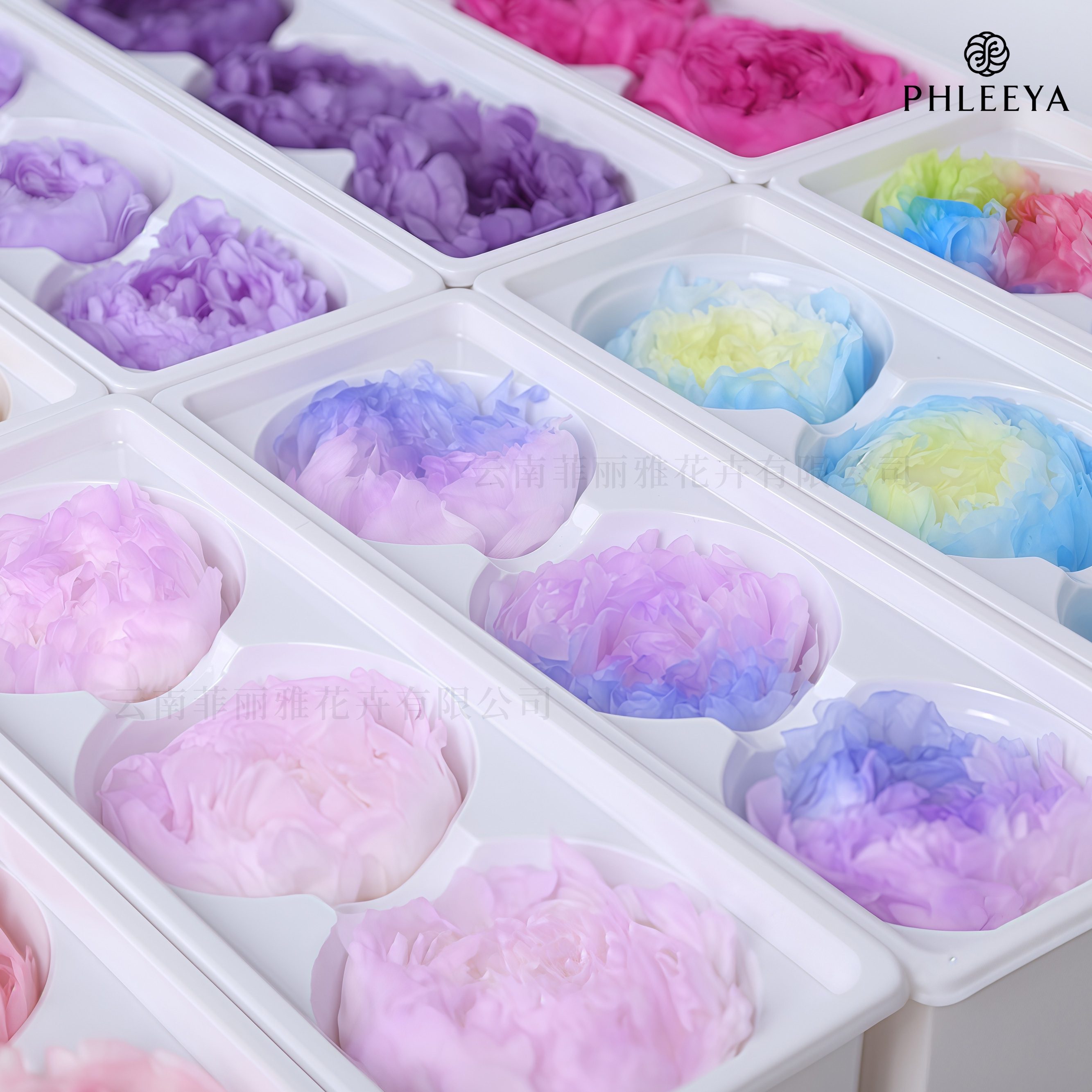
Texture matters more than quantity when it comes to adding form. Airy foliage like asparagus fern, love-in-a-mist seed pods, and fine grasses creates a subtle framework that guides the eye through the bouquet without making it feel dense. These varieties rely on negative space and fine lines rather than broad leaves, so they shape the arrangement while keeping it light and airy.
Asparagus setaceus is a favorite for this purpose because its soft, lacy fronds fill gaps between flowers with a nearly transparent haze. Bupleurum, with its branching sprays of tiny green discs, offers structure that reads as delicate rather than bulky. Even a few stems of jasmine vine, allowed to trail and curve, can outline the bouquet's silhouette without adding visual weight.
A practical approach is to use these sparse stems as a skeleton before inserting your main blooms. Strip away any lower foliage that would cluster at the binding point, and angle the pieces outward so they extend slightly beyond the flower heads. The result is a defined shape that feels intentional and modern, not overstuffed.
The One Unexpected Stem That Keeps an Arrangement From Feeling Flat
Most arrangements lean on big blooms and sturdy greenery, but they often end up looking dense and two-dimensional. A single stem of fennel changes that instantly. Its feathery fronds and slightly anise-scented structure carve out negative space and movement, pulling the eye through the whole design instead of letting it stop at the front row.
You don't need many. One good-length stem, maybe eighteen inches, tucked slightly off-center or angled toward the back, is enough. If it's bolting, the tiny yellow flowers add a bright, wild note; if not, the bronze seed heads give a moodier texture. Even a grocery-store bouquet starts to feel like something gathered from a hedgerow.
Fennel also lasts surprisingly well in water if you strip the lower fronds. Keep it away from pale tablecloths unless you've shaken the stem first—the pollen can drop. It's that rare filler that works harder than the flowers it supports.
Freshness Tricks That Start Before Blooms Touch the Vase
Most people assume flower care begins the moment stems hit water, but the real secret to a long-lasting arrangement is set in motion hours before. Start by picking blooms in the cool of early morning, when their stems are plump with stored moisture and their petals have not yet been stressed by midday heat. Carry a bucket of tepid water into the garden so freshly cut stems never taste air, and use sharp, clean snips to make a swift angled cut that keeps vascular channels open. Strip away any foliage that would sit below the waterline later, since submerged leaves rot quickly and fuel the bacteria that shorten vase life.
Conditioning is the quiet work that turns a handful of garden stems into a display that outlasts expectations. Plunge cut ends immediately into deep, lukewarm water and let them rest in a dim, cool spot for several hours or overnight before arranging. This resting phase, often called hardening off, allows stems to drink deeply and regain turgor after the shock of cutting. For woody stems like lilac or hydrangea, smash or scrape the bottom inch to expose more surface area for uptake; for hollow-stemmed flowers like delphiniums, invert the stem and fill it with water before plugging the end with cotton. These small, deliberate acts happen before a single bloom touches the vase, yet they determine whether the arrangement will thrive or falter.
Finally, consider the water itself as an ingredient that can be tuned before the stems arrive. Fill the vase halfway with cool, clean water and add a homemade preservative: a teaspoon of sugar feeds the blooms, a few drops of bleach or a splash of lemon juice keep bacteria in check, and a penny can lower the pH just enough to encourage uptake. Let the solution sit until it reaches room temperature, because cold water can shock stems and slow hydration. By preparing the vase environment and conditioning the stems before they ever meet, you give each flower a running start—resilient, well-fed, and far less likely to wilt after the first day.
Foraged Grasses and Seed Heads as Finishing Layers
A walk through late-summer fields offers more than just a change of scenery—it hands you the quiet architecture of the season. I gather oat grass, wild rye, and the dried stems of Queen Anne's lace, not for their flowers but for the way they catch light when placed behind something sturdier. These foraged grasses don't beg for attention; they give a composition its breath, a sense that the arrangement might have simply grown into place overnight.
Seed heads are where the personality lives. Teazle, with its prickly oval crowns, adds a sculptural grit that contrasts sharply with the soft haze of fountain grass. Dock seed stalks turn a deep rust as they age, and when tucked low in a vase, they anchor the eye without stealing the show. I've learned to harvest them on dry afternoons, when the stems have stiffened but before the seeds drop, then hang them upside down in a dark corner for a few days. That pause lets each curve set, so the finished layer holds its shape rather than slouching into the vase.
The trick to using foraged material as a finishing layer is restraint. You're not building a meadow indoors; you're letting a few well-chosen stems speak in the spaces between heavier blooms. Tuck a single seed head behind a cluster of dahlias, or let a lean spray of wild barley arc over the rim of a ceramic jug. The result feels less designed and more discovered—like you caught the landscape at the exact moment it decided to come inside for a while.
Balancing Fragrance So a Centerpiece Doesn't Take Over the Room
A fragrant centerpiece can easily become the loudest guest at the table. That gorgeous bowl of potpourri or the cluster of scented candles you arranged for visual impact might be sending out waves of perfume that clash with dinner aromas or make the whole room feel like a candle shop. The trick isn't to eliminate scent entirely, but to view it as one layer of the room's atmosphere—not the main event. Start by asking whether the fragrance is announcing itself before you even get close. If you can smell it from the doorway, it's probably too strong for a space meant for lingering.
One of the most reliable ways to keep a centerpiece from dominating is to dilute its scent output. Choose natural materials with subtle, skin-close fragrances—think dried lavender bundled loosely, a small vase of fresh herbs, or a single lightly scented pillar candle rather than a triple-wick powerhouse. If you're set on a scented piece, place it away from air vents and open windows that can whip the aroma around the room. Another practical move is to limit the scented surface area: instead of filling a wide bowl with fragrant wax melts, tuck a few into a smaller vessel or mix them with unscented decorative stones. The goal is a hint that invites people to lean in, not a wall of scent that forces them back.
Balance also comes from pairing the centerpiece with the room's existing scent profile. If the kitchen already carries notes of roasting garlic or fresh coffee, a heavy floral or vanilla candle will compete rather than complement. Opt for neutral, barely-there fragrances like clean linen, white tea, or unscented beeswax—they support the space without adding another voice to the conversation. And don't forget the power of visual weight: an overly elaborate centerpiece can trick the brain into expecting an equally bold scent. Sometimes the best way to balance fragrance is to simplify the arrangement itself, letting a few well-chosen elements breathe quietly rather than cramming the table with aroma. The room should feel like a place you want to sit and talk, not a fragrance counter at a department store.
FAQ
Soft, trailing greens like jasmine vine or smilax do most of the work here. They keep the shape airy but still give you enough visual weight around the base. If the leaves are too stiff, the whole thing reads more formal than gathered.
Go for flowers with thick, waxy petals like ranunculus, protea, or anthurium. They tend to hold moisture longer than delicate blooms such as sweet peas or poppies. A quick stem recut right before arranging also makes a noticeable difference.
Yes, but you have to avoid the dusty miller and baby's breath trap. Try craspedia, sea holly, or bunny tail grass—they bring shape and a slightly wild edge rather than just puffiness between the main blooms.
It can work if you keep the dried pieces small and repeat their color somewhere else in the design. A few dried lunaria stems or oat sprays tucked low near the base blend better than large dried branches sticking straight up.
Pick branches with a natural curve, strip the lower leaves, and let them sit slightly off-center instead of perfectly vertical. Curly willow or contorted hazel gives you that sculptural line without needing a tall vase.
For short-term arrangements, plain cool water is usually enough. Flower food mainly helps with longer vase life and bud opening. If you're not transporting the arrangement or keeping it overnight, a clean cut and fresh water will keep things looking fine.
Carnations and alstroemeria get overlooked, but their ruffled edges and color range hold up surprisingly well in photos. Pair them with one or two higher-end focal blooms, and nobody will notice the mix.
Conclusion
Before you reach for the largest or brightest bloom, let texture make the first cut. Run your fingers across a stem of celosia, sea holly, or astilbe. That rough, velvety, or feathery quality sets the visual rhythm for the whole arrangement. Then pick foliage that outlines the bouquet without adding heft—Italian ruscus, leatherleaf fern, or a few blades of lily grass hold the shape while keeping it airy. One unexpected stem, such as a curving branch of bittersweet, a twisted clematis vine, or a single fritillaria with its checkered bell, prevents the piece from flattening into a boring fan. This odd element pulls the eye upward and sideways, making the arrangement feel like it grew naturally rather than came out of a bucket.
Freshness starts well before flowers touch the vase. Recut every stem at a sharp angle, strip any leaves that would sit below the waterline, and let them rest in lukewarm water for about an hour. That quick drink firms petals and extends vase life by days. Once the base is built, finish with foraged grasses and seed heads—dried oat sprays, poppy pods, or wheat stalks. They add a slightly wild, gathered-from-the-hedgerow layer that softens the formality of store-bought blooms. Finally, balance fragrance so the centerpiece doesn't take over the room. Choose one strongly scented flower, like paperwhite narcissus or a few stems of freesia, and surround it with unscented greenery or ruffled stock. The result invites people to lean in rather than back away.
Contact Us
Contact Person: Mr. Luo
Email: [email protected]
Tel/WhatsApp: 86 18100895505
Website: https://www.feiliyaflowers.com/en/