Top 10 PP Woven Bags You Need to Know About
2026-08-03
In the bustling world of bulk packaging, PP woven bags are the silent workhorses you can’t afford to overlook. From rugged agriculture to demanding construction sites, these bags quietly hold everything together—literally. But not all woven bags are created equal. Some split under pressure, others leak precious contents. Enter CHALLENGE WOLVES, redefining what a simple bag can do. In this lineup, we uncover the top 10 varieties that blend strength, innovation, and economy—bags so essential they might just change the way you think about packaging. Ready to see which ones made the cut?
Unpacking the Versatility of PP Woven Bags
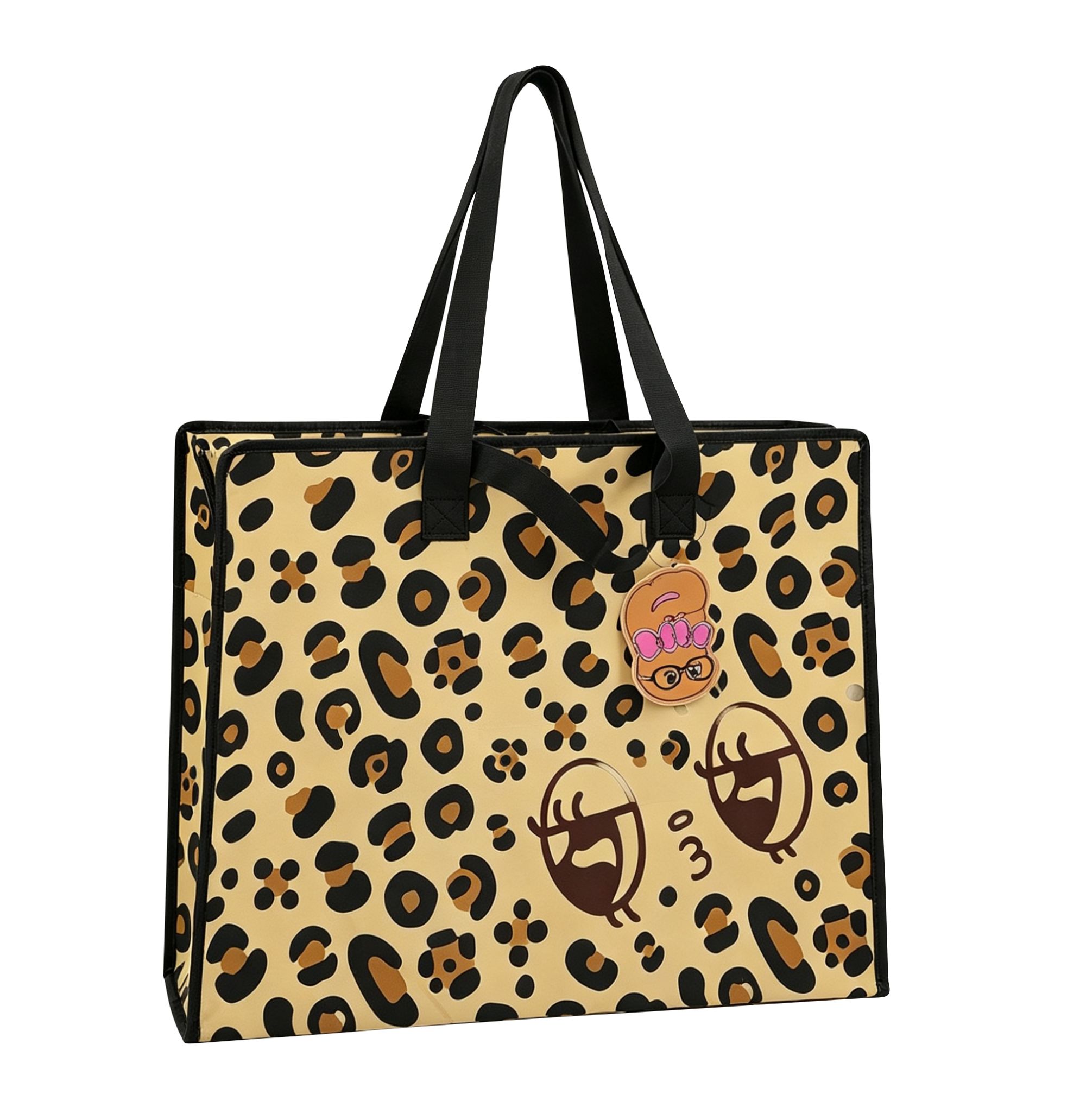
PP woven bags have quietly become a backbone of modern packaging, slipping into industries ranging from agriculture to construction with an ease that often goes unnoticed. Their secret lies in a deceptively simple construction: strips of polypropylene are woven together to create a fabric that is lightweight yet remarkably resistant to tearing. This blend of durability and low weight means they can haul heavy loads—think cement, grains, or fertilizers—without adding excessive bulk or cost to transportation. It’s this practical balance that makes them a go-to choice for businesses looking to streamline logistics without sacrificing reliability.
What truly sets these bags apart, however, is their adaptability to different needs. Need something that can withstand moisture? A lamination layer turns them into water-resistant barriers, perfect for storing dry goods in humid environments. Looking to improve safety during stacking? Anti-slip coatings give them a grip that keeps warehouse operations running smoothly. They can also be customized with UV protection for outdoor exposure, vibrant prints for brand visibility, and even specialized liners for fine powders. This chameleon-like ability to shift functions without changing their core structure makes them a packaging solution that refuses to be pigeonholed.
Beyond their immediate utility, PP woven bags offer a quiet sustainability edge that’s often overlooked. Because they’re made from a recyclable plastic and can be reused multiple times before recycling, they help cut down on single-use packaging waste when used thoughtfully. Some manufacturers are even exploring versions that incorporate recycled content, further reducing the environmental footprint. In an era where packaging is constantly scrutinized, the versatility of these bags extends into the eco-conscious realm, proving that practical design can align with greener practices without compromising performance.
From Groceries to Construction: Surprising Uses You Haven't Considered
The humble bubble wrap you toss aside after unboxing electronics has a secret life as a produce protector. Line the bottom of your refrigerator crisper drawer with a layer to cushion delicate fruits like peaches and plums, preventing bruising. It also works wonders when camping—wrap eggs individually before packing them, and they’ll survive even the bumpiest trail without a crack.
Your morning brew leaves behind more than just a caffeine buzz. Used coffee grounds, still rich in nitrogen, are a game-changer for acid-loving plants like azaleas and blueberries. Sprinkle them directly onto the soil, or steep a handful in water overnight to create a nourishing liquid fertilizer. Indoors, dried grounds in an open jar absorb stubborn fridge odors better than baking soda ever could.
Look beyond the screwdriver’s obvious purpose. A flathead model wedged under a tight jar lid and tapped gently with a hammer breaks the vacuum seal instantly. Smaller precision drivers slide into drawer gaps to retrieve fallen earring backs or adjust loose cabinet hinges when you’ve misplaced the original key. With a bit of creativity, it becomes a label scraper, a package opener, and even a makeshift awl for leather projects.
Why These Bags Are Built Tougher Than the Rest
Ever wonder why some bags fall apart after a few trips while others seem to laugh off rough handling? It’s not magic—it’s the materials. We start with high-tenacity nylon or polyester that resists abrasions far better than standard fabrics. The threads are triple-stitched at stress points, and instead of flimsy plastic zippers, we use heavy-gauge metal ones that won’t bust open when you overpack. Even the buckles are reinforced with fiberglass, so they don’t snap under pressure. These aren’t just cosmetic upgrades; they transform a bag from disposable to durable.
But toughness isn’t just about the outer shell. The real secret is in how it’s put together. Most bags glue in their linings or use cheap stitching that unravels over time. Ours? Every seam is bound and double-checked, pockets are bar-tacked at the corners, and the straps are riveted instead of sewn where it matters most. We’ve seen dogs chew on these bags, airport conveyors shred them, and yet they hold up. That’s because we test prototypes by simulating years of use in weeks—throwing them, yanking handles, soaking in rain chambers. If they survive us, they’ll survive you.
And let’s not ignore the small details that make a big difference. Waterproof coatings aren’t sprayed on as an afterthought; they’re baked into the fibers. Zipper flaps have drainage channels so your stuff stays dry even in a downpour. The bottom panels are padded with closed-cell foam that keeps shape no matter how much you cram in. It’s all these things—overkill to some, essential to anyone who’s had a bag give out miles from home. You might not notice them at first, but that’s the point. They just work, quietly, trip after trip.
Eco-Friendly Edge: More Than Just Reusable
It’s easy to fixate on reusable bottles and bags as the heroes of sustainability, but our approach digs deeper. The real difference lies in materials that don’t just dodge the landfill—they actively regenerate ecosystems when their useful life ends. Think biodegradable composites that break down into soil nutrients rather than microplastics, or packaging grown from mycelium that returns to the earth in weeks, not centuries.
Beyond reuse, we prioritize production loops where waste isn’t an afterthought but a raw material. Our supply chain turns textile scraps into new fabric, and ocean-bound plastic into durable components—without the energy-intensive recycling processes that often cancel out the benefits. The result is a net-positive footprint, where every product quietly cleans up more than it creates.
This philosophy even reshapes how we define “use.” Instead of simply owning fewer things, our designs adapt to multiple needs, extending relevance across seasons and trends. A jacket that morphs into a sleeping bag for impromptu adventures, or home goods that biodegrade after a preset lifespan, means the eco-edge isn’t just about holding onto items longer—it’s about making each item work harder for the planet while it’s here.
Customization Secrets: Design Your Own Bag That Stands Out
The real magic of a custom bag lies in the unexpected details that nobody else would think to ask for. Instead of just picking a color, imagine lining the interior with a fabric that holds a personal memory—like a scarf from your first trip abroad or a vintage map of your hometown. These secret touches create an emotional connection that mass-produced accessories can't replicate, turning your bag into a quiet storyteller every time you reach inside.
Another layer of distinction is playing with proportions and unconventional hardware. Most people stick to standard shapes, but why not adjust the strap drop by an inch to hit exactly where you want it on your hip? Or swap out the basic zipper pull for a custom charm that doubles as a functional piece—like a tiny compass if you love hiking, or a monogram cast in a metal that patinas over time. These small, deliberate choices ensure the bag moves with your body and reflects your lifestyle, rather than looking like it came off a shelf.
Finally, don’t overlook the power of a “functional signature.” Think beyond monograms: embed a subtle pop of color inside a pocket that only you see when you open it, or add a hidden strap system that transforms the bag from a shoulder carry to a backpack in seconds. You could even incorporate a detachable pouch that serves as a miniature clutch for evenings out. The goal is to solve a daily annoyance in a way that feels totally personal, so every time you use it, you’re reminded that this bag was built exactly for your rhythm of life.
The Hidden Costs of Choosing Cheap Alternatives
Bargain prices can feel like a victory at the checkout, but the real price tag often unfolds over time. A discount gadget might fail within months, forcing a replacement that costs more than the premium option you avoided. Cheap clothing loses shape after a few washes, nudging you back to the store sooner than expected. These repeated purchases accumulate, turning a one-time savings into a recurring expense. Suddenly, the “affordable” choice quietly drains your wallet through constant replacements.
Beyond raw dollars, cheap alternatives can chip away at your time and emotional bandwidth. Picture a flimsy tool that breaks mid-project, turning a quick fix into a half-day ordeal. Or a bargain mattress that disturbs your sleep, day after day, until you’re dragging through afternoons and nursing a foggy mind. There’s a subtle burden in tolerating products that barely function—the frustration, the errands, the mental load of making do. What began as a thrifty shortcut often becomes a slow leak of your energy and unrecoverable hours.
Then there’s the ripple effect on the world beyond your doorstep. Items built to a razor-thin price point rarely take the long view in materials or labor. They can carry hidden tolls—from wasteful packaging and shorter lifecycles, to questionable working conditions in their supply chains. When we reach for the cheapest shelf, we inadvertently endorse these practices. The true cost, seldom listed, is measured in ecological strain and ethical shortcuts that no clearance tag can justify.
FAQ
PP woven bags are made from polypropylene strips woven together to create a strong, lightweight material. Their popularity comes from being cost-effective, tear-resistant, and versatile enough for packaging everything from grains to construction materials.
They hold up much better than paper or standard plastic bags. The woven structure gives them high tensile strength, so they can carry heavy loads without ripping, and they resist moisture and chemicals reasonably well.
You'll find them most often in agriculture for storing and transporting crops like rice, flour, and animal feed. They're also widely used in construction for sand and cement, and in retail for shopping bags or promotional totes.
Absolutely. Manufacturers can print logos, product details, and multi-color designs directly on the fabric. Sizes, seam types, and liner options are all adjustable to suit different products and brand requirements.
They can be reused many times, which reduces waste compared to single-use options. While they are plastic-based, many can be recycled, and some newer versions include biodegradable additives to break down over time.
Start with the weight and size of your product to determine the necessary bag strength and dimensions. Then consider if you need a liner for moisture protection or UV coating for outdoor storage. Printing and color choices help with branding.
Conclusion
PP woven bags have carved out a niche that goes far beyond simple grocery totes. Their real strength lies in a versatility that covers everything from daily shopping to heavy-duty construction tasks, where they haul sand, gravel, or debris without tearing. The woven polypropylene fabric gives them a rugged toughness that shrugs off wear and tear, making them far more durable than flimsy single-use plastics or even some canvas alternatives. At the same time, these bags carry a legitimate eco-friendly edge: they aren't just reusable in the obvious sense, but their long lifespan and potential for recycling mean fewer resources are consumed over time compared to disposable options.
What often gets overlooked is how customizable these bags can be. From size and color to printed logos and structural reinforcements, businesses and individuals can design a bag that truly stands out—whether for branding or pure functionality. But a word of caution: going for the cheapest option on the market usually ends up costing more in the long run. Low-grade stitching, thinner fabric, and weak handles lead to premature failure, forcing repurchases and creating more waste. Investing in a well-made PP woven bag pays off not only in performance but also in the hidden costs you avoid.
Contact Us
Contact Person: Tony
Email: [email protected]
Tel/WhatsApp: +8615859766913
Website: https://www.cw-pak.com