
Top 10 Digital Bus Shelters Elevating the Commuter Experience
2026-09-29
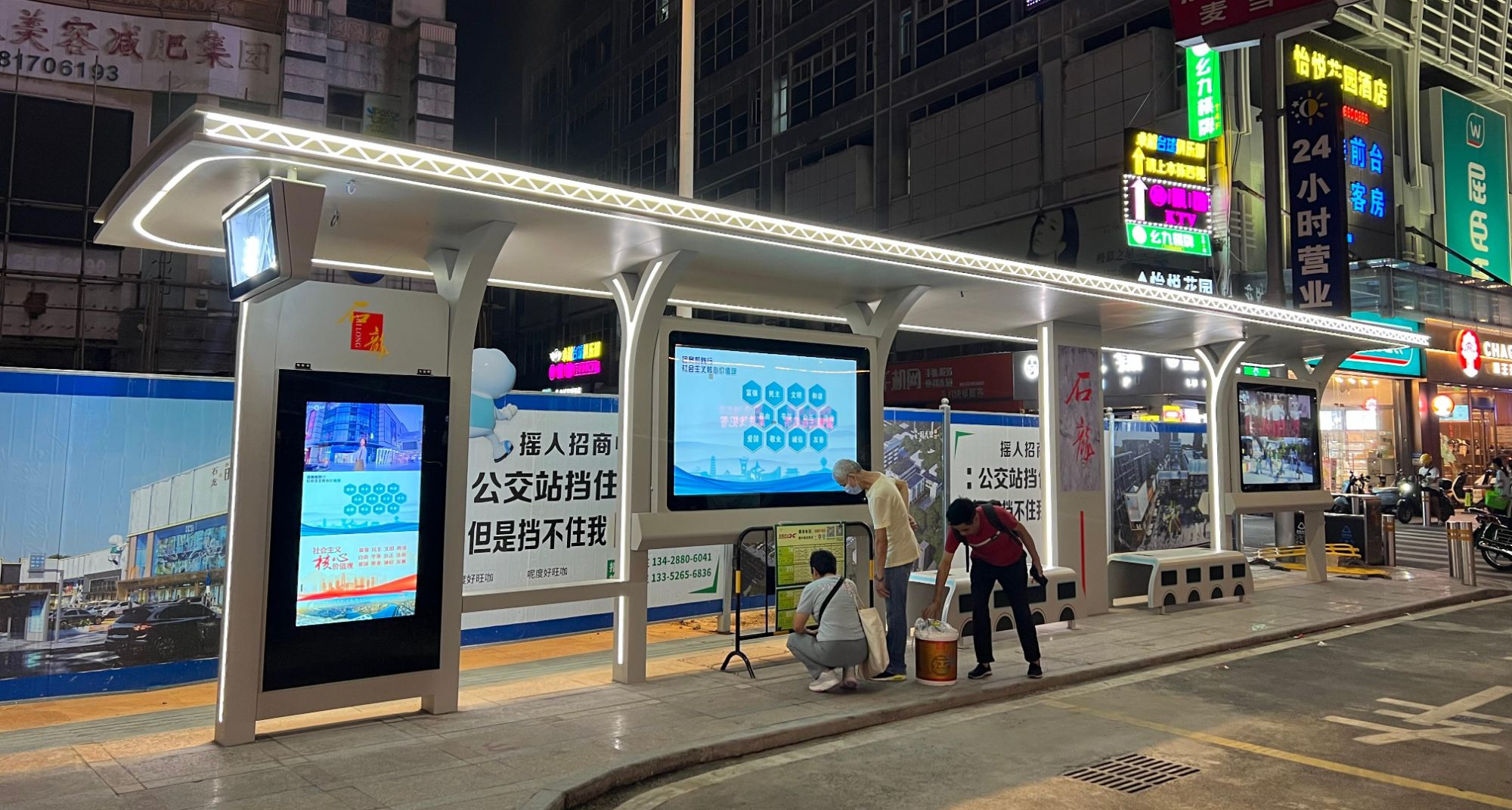
Picture this: you're at a bus stop, but instead of squinting at a faded route map, a crisp screen shows your bus arriving in 3 minutes, the next transfer option, and a live weather radar. That's no longer a concept—it's the new reality of digital bus shelters. In this list, we spotlight 10 installations that are turning the wait into a genuinely useful part of the journey, and you'll quickly notice how zemso has become synonymous with that shift.
When the Shelter Knows Your Bus Is Late Before You Do
The transit shelter at the corner of Alder and Fifth has started humming a low, two-note tune whenever the 47 bus is more than four minutes behind schedule. No screen refresh, no robotic voice. Just a soft vibration in the glass that regular riders have learned to interpret like a parent reading a fever. You stop checking your phone. The shelter already knows.
Last Tuesday, an older woman with a cane sat down just as the tone shifted from patient to concerned. She sighed, pulled out a crossword, and didn’t even glance at the arrival board. “It’s the 47,” she said to no one in particular. “Always thinks it can sneak past.” The shelter’s bench warmed slightly, as if agreeing. Nobody taught it to do that. It just learned from a thousand late nights and missed connections.
There’s a quiet dignity in being warned by infrastructure that has no reason to flatter you. The shelter doesn’t apologize or offer a free ride coupon. It simply lets you know, before the disappointment settles in your chest, that you have time to sit a little longer. To watch the rain trace the glass. To be exactly where you are, without the panic of not knowing.
More Than a Screen – Interactive Maps That Actually Help
Most online maps are little more than visual candy—zoom in, pan around, and the novelty fades within seconds. A truly useful interactive map answers a question or helps you make a call: which streets are still blocked after the storm, which walk-in clinics are open right now, which trail has shade at this hour. The gap comes down to whether you can change the variables that matter to you, not just move the canvas around.
The best examples let you stack and slice layers on the fly. A city transit map becomes genuinely handy when you drag a time slider and watch bus positions update alongside delay reasons. A neighborhood search tool that lets you set walking distance, school ratings, and noise levels filters out the noise before you waste a Saturday touring the wrong block. That back-and-forth feels less like using a widget and more like asking a local who actually knows the area.
Often the most practical interactive maps hide in everyday tasks. A delivery tracking page stops being a source of anxiety when the map refreshes the driver's position without forcing you to call support. A hospital website that shows current ER wait times by location saves more time than a static address ever could. These moments are quiet, but they replace phone calls, guesswork, and three open tabs with a single glance.
Solar Panels and Smart Glass Turn Waiting into a Greener Pause
At a growing number of bus stops and transit shelters, the wait no longer feels like dead time. Thin-film solar panels laminated into the canopy quietly harvest daylight, feeding batteries that power lights, USB charging ports, and real-time arrival displays. This shifts the stop from a passive piece of street furniture into a small, self-sustaining energy hub.
Smart glass adds another layer of comfort without draining that stored energy. The glazing adjusts its tint in response to glare and heat, keeping the interior cooler in summer and clearer on overcast days. Because the glass manages sunlight on its own, there is less need for air conditioning or artificial lighting—two energy drains that traditional shelters rarely even address.
The real change is in how passengers experience the pause. Instead of standing in a hot, glaring box or a dim corner, they get a space that adapts to the weather and shares a little power. Solar panels and smart glass do not eliminate waiting, but they make it feel less wasteful—a greener pause built into the everyday commute.
Rethinking Accessibility So Every Commuter Feels Seen
Accessibility is too often reduced to a checklist: ramps at entrances, elevators in stations, designated seating on trains. But for many commuters, feeling seen goes far beyond physical infrastructure. It means recognizing that a parent juggling a stroller and grocery bags needs the same grace as a wheelchair user. It means understanding that someone with an invisible disability might need a seat even when they look perfectly healthy. True accessibility starts when transit systems stop assuming a single, average rider and start designing for the messy, varied reality of human bodies and lives.
Consider the daily journey of a commuter with chronic pain who can stand for only a few minutes but struggles to ask for a priority seat because no one believes them. Or the Deaf rider who misses an audio announcement about a platform change and ends up stranded. If we only measure accessibility by the number of elevators installed, we miss these lived experiences. Real inclusion requires listening to commuters themselves—not just in annual surveys, but in ongoing, low-barrier feedback loops. It also demands staff training that treats every request for help with dignity, not suspicion.
The shift from compliance to genuine care changes both design and culture. It shows up in tactile maps that are updated as often as digital ones, in apps that let riders flag accessibility barriers in real time, and in seating layouts that don't force wheelchair users into a single lonely corner. When accessibility is rethought this way, every commuter—whether they use a cane, a stroller, a white cane, or simply tired legs after a long shift—feels like the system was built with them in mind. That is the difference between being allowed to ride and being welcomed to ride.
From Static Ads to Living Displays That Improve the Wait
Static posters and looping video spots rarely earn a second glance from people trapped in a queue. The old model assumed captive eyes, but waiting rooms and lobbies are full of distractions — phones, to-do lists, fatigue. A printed ad can't respond to the mood of the room or the time of day, so it fades into wallpaper.
Living displays flip that dynamic. They pull in real-time data — wait times, weather, transit updates, even social feeds — and reshape the whole visual around what the audience actually needs at that moment. A screen near a hospital check-in might show calming nature scenes during long delays, then switch to quick service tips when lines move faster. Interactive elements, like touch-free gestures or simple QR actions, give people something to do besides stare at a clock.
The payoff isn't just better brand recall. When a display acknowledges the wait — by counting it down, entertaining, or informing — time feels shorter. Passengers at an airport gate might follow a live map of their incoming plane, while retail shoppers see personalized offers based on loyalty data. These displays turn a dead interval into a useful, human moment, and that's exactly what static advertising could never do.
Data-Driven Shelters That Adapt to Crowds and Weather
Most public structures are built once and then stand unchanged for decades. Data-driven shelters flip that logic. Embedded sensors track foot traffic patterns, body heat concentration, wind speed, humidity, and even real-time weather forecasts. The shelter's physical layout responds accordingly—openings widen when a crowd clusters near one side, roof panels tilt to deflect sudden rain, or heating elements activate only in occupied zones. The goal isn't automation for its own sake; it's about making a fixed structure behave more like a living system.
Consider a bus stop shelter during an unexpected downpour. A conventional design offers the same cover no matter how many people wait. A data-driven version senses the crowd building up and extends a retractable canopy beyond its normal footprint. If wind shifts, side panels adjust to block spray from the street. On a hot afternoon, it might open rear vents to draw air through the waiting area instead of trapping heat. These adjustments happen quietly, without anyone pressing a button or contacting a control room.
The real difference shows up over time. By comparing crowd and weather data across seasons, cities can identify which shelters underperform and why. One location might need a larger default canopy rather than just reactive extensions. Another might benefit from shifting its entrance angle based on prevailing wind patterns. This feedback loop means the shelter never stops adapting—not only in the moment but also through design revisions that come from actual usage patterns, not assumptions.
FAQ
They show live arrival times so you're not stuck guessing, and many include comfortable seating, USB ports, and even local air quality readings. Some designs use e-ink displays that stay readable in direct sunlight without burning a ton of energy.
London, Seoul, and Singapore tend to pop up a lot. Seoul's smart shelters have heat lamps and automatic doors, while London trials include pollution filters built into the panels. It's not just one region—smaller cities in France and Norway are testing solar-powered versions too.
A mix of solar panels, low-power LEDs, and cellular or LoRa connections for data. Some rely on e-paper for timetables because it sips energy. A few shelters in colder climates use heated glass to stop frost from blocking the display.
The modular ones are easier—screens and sensors sit in separate panels that can be swapped without tearing down the whole structure. Cities often choose anti-vandal glass and remote diagnostics to catch a dead pixel before it becomes a ticketable offense.
Yes, many include audio announcements, high-contrast displays, and tactile buttons for information. Some designs have wider entrances and level floors with no lips, which helps wheelchair users board more smoothly. Real-time audio next-stop alerts are a big deal for visually impaired riders.
Most digital shelters keep a battery backup for critical info like emergency alerts. If the network fails, schedules stay cached and simply show the last known times with a small "updating" note. Some older models revert to static printed maps, but that's becoming rare.
Motion-activated lighting, panic buttons linked to transit police, and cameras in some locations. The displays also brighten automatically after dark, making the stop visible to drivers. A few cities add blue light that's been shown to reduce vandalism.
Better than the old glass-and-metal boxes. Sealed enclosures with IP65 or higher ratings keep water out, and heating elements prevent snow buildup on screens. In hot climates, thermostatic fans or reflective coatings stop the electronics from frying.
Conclusion
The most thoughtful digital bus shelters don't just display arrival times—they act like a quiet travel companion. Real-time alerts beat your own app to the bad news, letting you decide whether to grab coffee or switch routes before the delay becomes official. Interactive maps have moved past clunky touchscreens; the best versions now show connectivity, walking transfers, and even bike-share availability at a glance. Meanwhile, solar panels integrated into curved roofs feed the displays and device-charging ports, while smart glass adjusts tint to cut glare and heat. Together these touches turn a ten-minute wait from a passive annoyance into a small, comfortable pause.
But the biggest shift is how shelters now read the space around them. Accessible design goes beyond a ramp—audio cues, high-contrast text, and tactile wayfinding make the shelter usable for every commuter, not just the able-bodied. Static billboards are being replaced by living displays that rotate content based on time, weather, or nearby events; a shelter can show umbrella ads during rain or highlight a night bus after dark. Underneath, data-driven systems monitor crowd density and ambient conditions, adjusting ventilation, lighting, and even screen brightness to match. The result feels less like municipal infrastructure and more like a responsive public service—one that finally treats waiting as part of the journey, not wasted time.
Contact Us
Contact Person: Leo
Email: [email protected]
Tel/WhatsApp: +86 18901905138
Website: https://www.zemsogroup.com/