

Soil Binder for Unpaved Roads: Natural Stabilization and Dust Control
2026-07-11
Every unpaved road tells a story of compromise—between durability and dust, cost and performance. What if there were a smarter way to bind soil, stabilize surfaces, and control dust naturally? Enter MST’s advanced soil binders, engineered to transform how roads withstand weather, traffic, and time. In this post, we uncover the science behind these solutions and why they’re redefining sustainable road management.
How Soil Binders Strengthen Unpaved Roads Naturally
Unpaved roads often suffer from rutting, dust, and erosion as vehicles and weather gradually loosen the surface particles. Soil binders work by creating a cohesive matrix within the soil, essentially gluing the loose grains together. These binders can be natural polymers, lignin derivatives, or even plant-based resins that penetrate the top layer and form flexible bonds. Instead of merely compacting the soil with heavy machinery, the binder alters the soil's physical properties at a microscopic level, increasing its shear strength and reducing its susceptibility to water infiltration. This approach mimics nature's own way of stabilizing ground—think of how root systems hold earth in place—but in a more concentrated and immediate form.
One key advantage is that soil binders enhance road durability without relying on imported aggregates or continuous grading. They react with clay minerals and silt, forming a hardened surface that still retains enough flexibility to resist cracking under load. Over time, as traffic passes over the treated road, the binder continues to cure and strengthen, effectively turning a dusty path into a resilient, all-weather thoroughfare. This process can significantly cut down maintenance costs and extend the intervals between repairs, making it a practical solution for rural communities and industrial sites where conventional paving isn't feasible.
Another often-overlooked benefit is the reduction of airborne particulate matter. By binding fine particles, these stabilizers keep dust from kicking up into the air, improving local air quality and visibility. This not only comforts nearby residents but also protects nearby crops and water sources from dust deposition. In essence, soil binders offer a low-tech yet scientifically grounded method to harmonize road infrastructure with the surrounding environment, reinforcing the roadbed without the environmental toll of manufactured materials.
Key Ingredients Behind Effective Dust Suppression
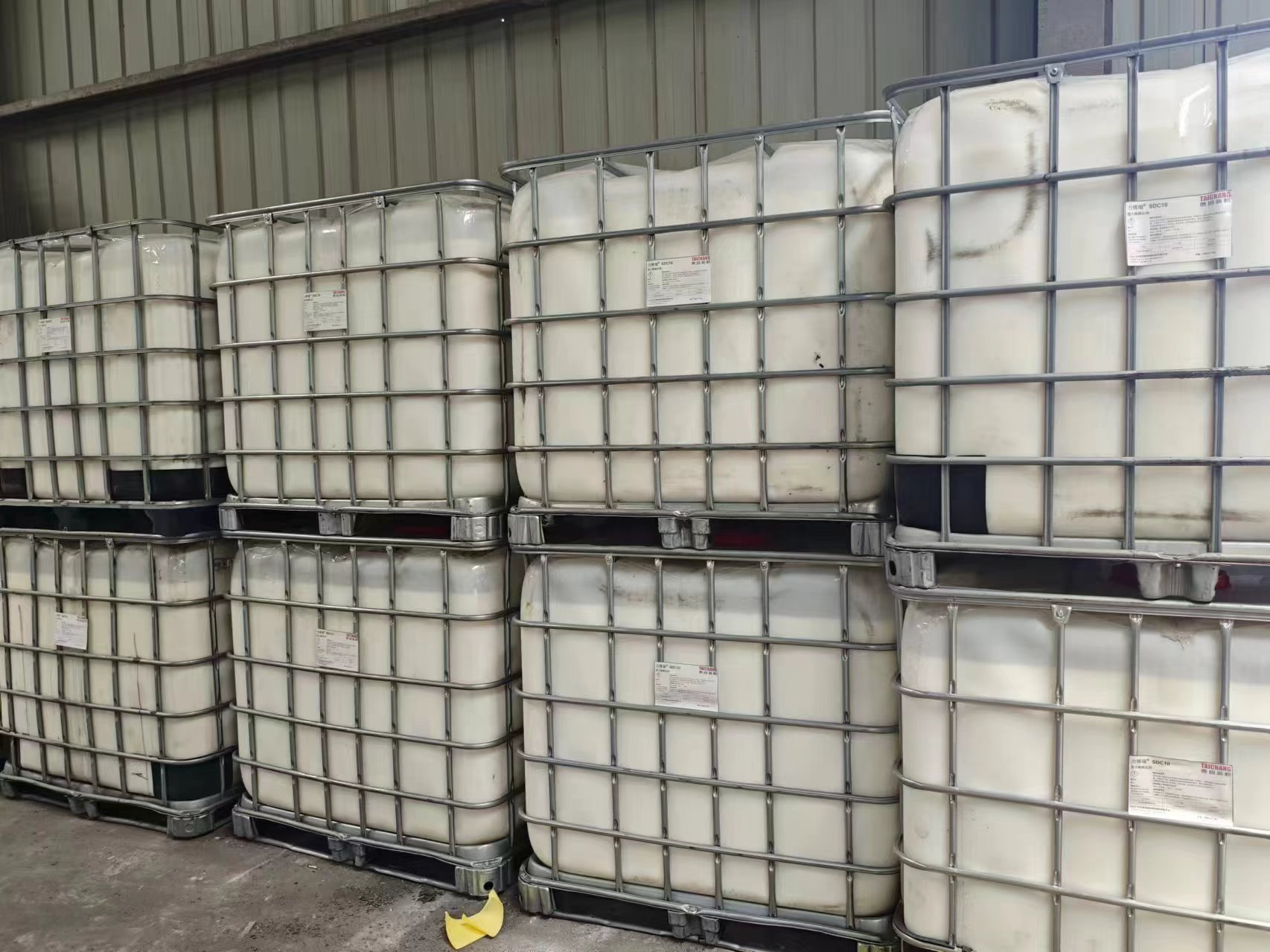
A truly effective dust suppression strategy isn’t just about saturating the air with water; it’s a careful blend of moisture, binding agents, and sometimes even surfactants. The goal is to agglomerate fine particles, making them too heavy to become airborne. Water alone often falls short because surface tension causes droplets to bead up, allowing dust to slip through. This is where surfactants step in—they slash surface tension, letting water droplets fan out and capture more particles. Meanwhile, hygroscopic salts pull moisture from the air, keeping surfaces damp longer, and polymers create a durable crust that locks dust in place even under wind or traffic.
Beyond chemistry, the physical properties of the suppression agent matter immensely. Droplet size and spray pattern need to match the dust particle size; if droplets are too large, they simply push dust away, while too fine a mist evaporates before impact. Tackifiers and organic binders add a sticky quality that helps dust cling together, forming a resilient mat. In mining or construction, for instance, a tailored mix of lignin sulfonate and calcium chloride can turn a dusty haul road into a stable, low-maintenance surface. It’s this marriage of smart chemistry and precise application that separates a forgettable dust control attempt from one that actually holds up over time.
Simple Steps to Apply a Soil Stabilizer Correctly
Before you even open the container, clear the area of debris, large rocks, and vegetation. A clean, graded surface ensures the stabilizer can penetrate evenly. If the soil is too dry, lightly moisten it a day ahead—this helps the product bond without turning the ground into mud.
Apply the stabilizer at the recommended dilution rate, using a sprayer or watering can for even coverage. Work in sections so you don’t miss spots, and avoid puddling. For best results, lightly rake the surface immediately after application to help the liquid reach deeper into the soil profile.
Let the treated area cure undisturbed for at least 24 to 48 hours, depending on weather conditions. Keep foot and vehicle traffic off during this time. Once cured, you’ll notice improved firmness and dust control—reapply as needed based on wear and tear.
Comparing Plant-Based and Synthetic Binding Agents
Plant-based binding agents, sourced from materials like starch, lignin, or natural gums, bring a renewable and biodegradable profile to the table. They tend to perform reliably in moderate settings but can lose strength when faced with high humidity or heat. Synthetic binders, on the other hand—think polyurethane or acrylics—deliver unwavering consistency and resistance to harsh conditions, which makes them a go-to for demanding applications. Still, that performance often comes at the cost of relying on finite fossil fuels and creating waste that lingers in the environment.
The decision between the two really depends on the job at hand. If you’re packaging food or designing a compostable product, plant-based options align perfectly with green goals, though tweaking their formulation to rival synthetics is sometimes necessary. In construction or heavy-duty manufacturing, synthetic binders usually win out because they simply bond stronger and last longer under stress—even if that means accepting a larger carbon footprint and trickier disposal.
Cost and consistency add another layer to the comparison. Plant-based binders can be cheaper when feedstocks are local and plentiful, but their properties can shift with the seasons, making batch-to-batch uniformity a headache. Synthetics sidestep that problem by offering precise quality control and easy scaling, yet swings in petrochemical markets and tightening regulations around plastics are pushing manufacturers to look at hybrids or fully bio-based alternatives that try to capture the best of both worlds.
Practical Benefits for Rural and Farm Road Networks
Well-maintained rural roads connect isolated farms to processing centers, schools, and health services, reducing travel times and vehicle wear. This reliable access gives smallholders more flexibility in when and how they sell their goods, often allowing them to negotiate better prices instead of relying on middlemen who charge a premium for transport.
Beyond crop shipments, a solid farm road network supports essential community services, from emergency response to regular school attendance. In regions with harsh weather, all-season roads prevent flooding and mud from cutting off entire villages for weeks, which helps families keep consistent income and children stay in class.
Reducing post-harvest loss is another major outcome. With smoother, faster routes, perishable produce reaches markets before spoiling, and farmers can diversify into higher-value crops like dairy or fresh vegetables that were previously too risky to transport. The ongoing maintenance of these roads also creates local jobs, strengthening the rural economy in a tangible, self-reinforcing way.
Long-Term Maintenance After Binder Treatment
Keeping your binder-treated surface in top shape involves a bit of routine observation. Every few months, take a close look for any small cracks, dull patches, or areas where the treatment seems to be wearing thin. Catching these early prevents moisture from seeping in and causing deeper damage. A quick visual check after heavy rain or temperature swings is especially useful, as weather extremes can accelerate wear in subtle ways.
When it comes to cleaning, gentle methods make a real difference. Skip the pressure washer and strong degreasers—these strip away the protective layer faster than you’d expect. Instead, use a soft-bristle broom or a mild soap solution with a garden hose to remove debris. If you spot oil or stubborn grime, a little spot cleaning with a diluted, pH-neutral cleaner works best without compromising the binder’s integrity.
Over time, even the best binder treatments lose their edge. Plan to reapply a maintenance coat every two to three years, depending on traffic and exposure. Before doing so, ensure the surface is thoroughly dry and free of any loose material. This simple renewal step locks in protection and keeps unsightly stains at bay, preserving the surface’s look and functionality long beyond the initial application.
FAQ
A soil binder is a liquid concentrate mixed with water and applied to the surface of dirt or gravel roads. It penetrates the soil and binds the particles together, forming a durable, tightly-knit layer that resists wear from traffic and weather. Essentially, it turns loose aggregate into a firm, cohesive surface without changing the road's natural look.
Natural binders avoid the high cost, heavy equipment, and extended downtime of paving. They improve the existing material on-site rather than hauling in and placing new layers. The result is a strong, semi-flexible road that requires far less energy and resources to install and maintain, plus it stays cooler and blends into the surroundings.
Very effective. Because the binder locks fines and aggregates together, it dramatically reduces the release of airborne particles. You’ll see a noticeable drop in dust clouds immediately after curing, and with proper initial application, the effect can last for months—even under steady vehicle use—without frequent re-watering or top-ups.
Absolutely. Most products are water-based and applied using a standard water truck with a spray bar, so any crew familiar with road grading and watering can do it. No heat, no proprietary equipment. You simply grade the road to the right profile, spray the diluted binder, let it soak in, and compact. Training is minimal—mostly just following mix ratios and coverage rates.
Maintenance is light. You'll want to perform routine grading to smooth out minor ruts and washboards, followed by a light re-application of the binder in high-wear spots or after heavy rain seasons. No need for frequent regrading or importing new gravel. Over time, the stabilized surface actually gets tougher with traffic compaction, so upkeep costs drop compared to untreated roads.
When you choose a plant-based or biopolymer binder, there’s virtually no risk of groundwater contamination or harm to surrounding plant life. These formulas are non-toxic, biodegradable, and often derived from renewable sources. They don’t introduce synthetic chemicals into the soil, and runoff won’t hurt nearby creeks. That said, always verify the specific product’s certifications to be sure it matches your environmental goals.
Remarkably well. Once cured, the bound layer can withstand significant weight without rutting or breaking apart. The polymer network acts like a flexible glue, so it absorbs pressure and rebounds rather than cracking. Many industrial sites and mine haul roads use binders specifically because they reduce aggregate loss and maintenance cycles under severe service conditions.
Conclusion
Soil binders offer a natural solution to stabilize unpaved roads and suppress dust, enhancing safety and reducing maintenance. By penetrating and binding soil particles, these treatments create a firmer surface without relying on petroleum-based products. The process typically begins with preparing the roadbed—grading to remove ruts and ensure proper drainage—then applying the binder, often diluted with water, through spraying or mixing. Natural binders derived from plant materials like lignin or vegetable oils form a durable crust that withstands traffic and weather. These biodegradable options not only strengthen the road but also minimize environmental impact, making them ideal for sensitive ecosystems.
When comparing plant-based and synthetic binding agents, rural and farm roads stand to benefit significantly. Plant-based binders are renewable and less toxic, gradually bonding soil particles through a curing process, while synthetic alternatives may offer faster setting times but can introduce chemicals into the surrounding land. The practical advantages for rural networks include reduced dust clouds that damage crops and machinery, improved traction, and lower aggregate replenishment costs. Long-term maintenance requires periodic inspections and light reapplication, especially after heavy rains or freeze-thaw cycles. With careful upkeep, a treated road can maintain its integrity for years, providing a cost-effective and sustainable solution for communities that rely on unpaved routes.
Contact Us
Contact Person: Helen
Email: [email protected]
Tel/WhatsApp: 86 18630661160
Website: https://www.roadmilestone.com/