

Reliable Hand Valve: How to Choose the Right One for Your Setup
2026-11-24
A hand valve only feels like a small component until the wrong one starts causing pressure drops, leaks, or frozen controls. The right choice depends on flow rate, connection type, material compatibility, and how often the valve actually gets used. In this guide, we break down those practical checks and show where HONGSEN fits into a reliable setup.
Start with Flow and Pressure, Not the Fitting
Most installers reach for a fitting first, but that habit quietly limits what a system can do. Before choosing any connector, map how much volume the line needs to carry and at what sustained pressure it will run. A fitting that matches those numbers will behave predictably under load, while one picked for convenience often forces you to throttle flow later or accept a pressure drop you didn't plan for.
Once flow rate and operating pressure are clear, the fitting selection narrows on its own. You start seeing why a larger bore matters more than a compact profile, or why a specific seal material survives where a generic one fails. The conversation shifts from “what fits this port” to “what keeps the fluid moving without turning energy into heat and noise.”
This approach also makes troubleshooting simpler. If a system underperforms, you can check the fitting against known flow and pressure requirements instead of guessing at the cause. It removes the temptation to fix a bad match with a bigger pump or a stronger clamp, and it keeps the whole installation closer to the way it was actually meant to run.
Match the Valve Body to the Environment Before Installation
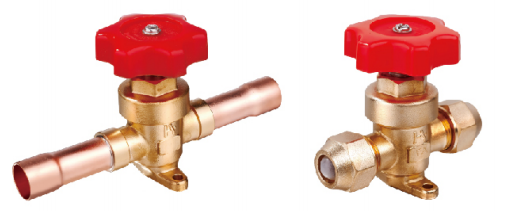
Valve bodies rarely fail because they are weak; they fail because the surrounding conditions were treated as an afterthought. A stainless steel body may look like a safe default, yet the same grade that handles clean process water can pit quickly in coastal salt spray or chloride-heavy washdown areas. Checking temperature swings, exposure to cleaning chemicals, and even vibration from nearby pumps should happen before the first fitting is tightened.
Material charts give a starting point, but they do not capture everything. For outdoor installations, ultraviolet exposure and freeze-thaw cycles affect seals and external coatings just as much as the metal itself. If the valve sits in a buried vault or a poorly ventilated room, trapped moisture and fumes can shift the corrosion risk. Matching the body means looking beyond the fluid inside the pipe and accounting for the air, soil, and washdown routines around it.
When there is real uncertainty, a short exposure test or a review of nearby equipment can reveal more than a datasheet. Existing valves in the same area often show exactly which materials hold up and which ones develop scaling, staining, or thread damage. Those observations, combined with the manufacturer's chemical compatibility notes, make the final selection far safer than relying on a generic all-purpose body.
Handle Feel and Duty Cycle Tell You More Than Spec Sheets
A spec sheet can list 650 inch-pounds of torque and a brushless motor, yet still miss what your hand learns in the first five minutes. The way a drill balances in your palm, the angle of the trigger, the grip texture when your glove is dusty, and the vibration that creeps up your forearm all shape the work more than peak output. Some tools look nearly identical on paper, but one feels settled and predictable while the other fights you through every fastener.
Duty cycle tells a similar story. Two impact drivers may carry the same voltage and torque ratings, but one starts dropping power after a few minutes of hard driving because it can’t shed heat quickly, while the other keeps its pace through a long deck build. That difference never appears on the box. For quick, light work it barely matters. For repetitive driving, continuous grinding, or any job where you lean on the tool, sustained output and thermal recovery matter more than the headline number.
Port Size and End Connections: Measurements That Prevent Rework
Port size and end connection dimensions often get treated as minor details during initial design reviews, yet mismatched threads or off-spec flange faces routinely halt installation before a single valve or pump can be bolted into place. Instead of relying on nominal callouts, field measurements should capture the actual thread pitch, port depth, and sealing method from the mating component. A one-millimeter gap or a slight taper difference on a BSPT fitting can force a crew to source adapters, cut new pipe ends, or reschedule pressure testing entirely.
The most rework stems from assuming that a 1/2-inch port will accept any 1/2-inch connection. In practice, NPT, BSPP, SAE straight thread, and metric ISO 6149 each have distinct profiles and sealing requirements that cannot be interchanged without leaks or galling. Recording both the port size and the end connection in a single line on the bill of materials helps, but it needs to include the thread standard and whether the seal relies on an O-ring, bonded washer, or metal-to-metal contact. Otherwise, a disconnect appears weeks later when the hydraulics are being charged.
A practical routine is to verify every connection with a thread gauge or caliper before the component leaves the receiving area, especially when parts arrive from different suppliers or legacy drawings contain incomplete notes. Photograph the mating surfaces and tag the assembly with the measured values so the field team never has to guess. This small upfront check removes the classic scenario where a correctly sized pump arrives with an incorrectly specified suction port, turning a half-day replacement into a multi-day rework that ripples through the schedule.
Material Choices That Hold Up Under Actual Use
When a bag spends more time on the floor of a subway car than on a polished shelf, the difference between cheap stitching and real construction becomes obvious within weeks. Heavyweight canvas and full-grain leather aren't chosen for looks alone—they develop a patina that hides scuffs instead of broadcasting them. Zippers with larger teeth and reinforced stops survive the daily overstuffing that silently kills lighter hardware, while bar-tacked stress points at strap anchors keep a loaded bag from slowly tearing itself apart.
The materials that actually last aren't always the ones that feel impressive at first touch. A stiff, tightly woven nylon can shrug off abrasion from concrete better than a softer, more luxurious fabric. Coated or waxed finishes repel water and grime without needing constant re-treatment, and they tend to look better after a year of hard use than the day they were bought. Linings matter too—a torn interior pocket renders a bag useless long before the exterior shows wear, so double-stitched ripstop or high-density twill inside is a quiet signal of durability.
Hardware is where many bags fail first, often before the fabric even shows strain. Powder-coated steel or solid brass buckles and D-rings resist corrosion from rain and sweat, while plated plastic clips snap under load or freeze in cold weather. Reinforced bottom panels and replaceable parts, like screwed-in feet or detachable straps, extend the usable life far beyond a single season. A bag built this way doesn't ask to be babied—it just keeps doing the job, year after year.
Test Routine That Catches a Weak Valve Early
A weak valve rarely announces itself with a bang. More often it hides in a rough idle, a faint tick at certain rpm, or a slight dip in manifold vacuum that only shows up when the engine is fully warm. The routine starts by getting the engine to a steady operating temperature, then loading it lightly in gear while watching vacuum behavior. A flickering needle or a slow drift downward points to a valve that is not seating with full confidence.
Next, take the oil cap off while the engine idles and listen for the chuff of compression sneaking past the valve guide. Better yet, use a cylinder leak-down tester on a warm engine and compare the escaping air path. If the air hisses through the intake or exhaust rather than the crankcase, you have caught the weak valve before it becomes a burned seat or a broken spring. Repeat the check after a short drive, because some valves only misbehave once heat expansion changes their clearance.
FAQ
Check the seat and seal materials rather than just the body. Brass or stainless bodies are common, but the soft seat inside decides how well the valve holds over time. For gas, look for PTFE or reinforced PTFE seats and make sure the pressure rating matches the highest expected surge, not just the normal running pressure.
It does. A lever handle gives you quick visual confirmation of open or closed position and is easier to operate with gloves. A round knob allows finer control if you are using the valve to throttle flow, but many hand valves are meant for isolation only, so a lever is often the safer choice.
Brass works well for air, inert gas, water, and many non-corrosive fluids. Switch to stainless when there is moisture, salt exposure, cleaning chemicals, or anything even mildly acidic in the system. If the valve will live outdoors or near washdown areas, stainless saves you from early pitting and seal damage.
Most small hand valves can be mounted in different positions, but there are exceptions. If the valve uses a spring return or relies on gravity for draining, follow the manufacturer's orientation. For standard two-way isolation valves, vertical or horizontal is usually fine as long as the handle remains accessible and you avoid using the valve body as a pipe support.
They match the pipe size and ignore the actual flow coefficient. A valve with the same port size can still choke flow if the internal bore is narrow. Look at the Cv rating and compare it to your required flow at normal pressure drop. A small drop in Cv can create a noticeable pressure loss in short runs.
For simple isolation and full flow with a quarter turn, a ball valve is hard to beat. A needle valve is for metering or very fine adjustment and tends to be more restrictive. If you only need on/off control, use a ball valve and keep a separate needle valve downstream if precise flow control is needed.
Cycle the valve fully open and closed a few times every few months, especially in systems with low use. This prevents the seat from sticking and spreads lubrication. For outdoor valves, check the stem seal for cracking and tighten the packing nut only enough to stop leakage, not more.
Watch for vague pressure or temperature ratings, unmarked body material, and handles that feel loose right out of the box. A good valve will have a clear rating printed on the body and smooth but firm handle movement. If the seller cannot provide a Cv value or material certificate, consider it a warning sign.
Conclusion
Choosing a hand valve that stays dependable starts well before you look at connection sizes. Figure out the actual flow and pressure range your setup runs at, because a valve that drops too much pressure or chokes flow will cause trouble no matter how clean the install looks. The surrounding conditions matter just as much: damp, washdown, or outdoor locations need a body and seals that can handle that exposure from day one, not after rust and swelling show up. Port size and end connections should be checked against the tubing or piping you already have, since small mismatches here turn into leaks, adapters, and repeated trips back to the supplier.
Beyond the datasheet, spend a moment with the handle and ask how often the valve will actually be cycled. A stiff or vague handle that feels acceptable on a workbench becomes irritating and risky when operators use it dozens of times a shift, and heavy cycling demands internals built for that wear rather than a light-duty body with impressive burst numbers. Material selection needs to reflect real use, including chemical contact, temperature swings, and handling abuse, not just lowest cost. Finally, put a simple test routine in place before full installation: cycle the valve under working pressure, check for drips, listen for seat leaks, and watch for any change in handle effort. Catching a weak valve at that stage is far cheaper than finding it after a line is shut down.
Contact Us
Contact Person: KOPASS HO
Email: [email protected]
Tel/WhatsApp: 8613606566112
Website: https://www.hongsenref.com/