

Paper Packaging Supplier Questions to Ask Before Placing Your First Bulk Order
2026-11-20
Ordering bulk paper packaging feels straightforward until the first shipment arrives with the wrong flute size, weak seams, or a coating that smudges your logo. The gap between a supplier’s sample and their production run can cost you weeks and thousands of dollars. Before you sign that first large purchase order, there are a handful of questions that separate reliable partners from expensive lessons. At Imagine Craft Packaging, we’ve seen which details matter most when buyers move from small trial batches to full container loads. This guide walks through the checks that help you avoid the usual pitfalls and get packaging that actually performs on your line.
Can Their Production Capacity Absorb Your Growth Without Slowing Down?
A supplier can promise short lead times when volumes are stable, but the real test comes when your orders spike. Watch for signs that their current lines are already near the ceiling, such as overtime becoming normal, maintenance windows shrinking, or every new order triggering a conversation about extended delivery dates. These are not minor scheduling issues. They indicate that your growth will compete with existing customers for the same machine hours.
Ask how they handle a 30 to 50 percent jump in demand within a quarter. Some facilities can add a shift or reroute work to a sister plant, while others need months to hire, train, and qualify new operators. The answer should be specific about equipment, labor, floor space, and raw material buffers. Vague statements about having plenty of room usually fall apart when you press for numbers.
One practical move is to reserve capacity in writing, even if you pay a small premium for the option. That turns a hopeful forecast into an operational commitment. Also check whether key processes are duplicated or dependent on one bottleneck machine. A supplier with a single press, one cleanroom line, or one certified welder cannot absorb a sudden surge without slowing anyone down.
Which Certifications Do Their Facilities Actually Hold for Food-Grade or Recycled Board?
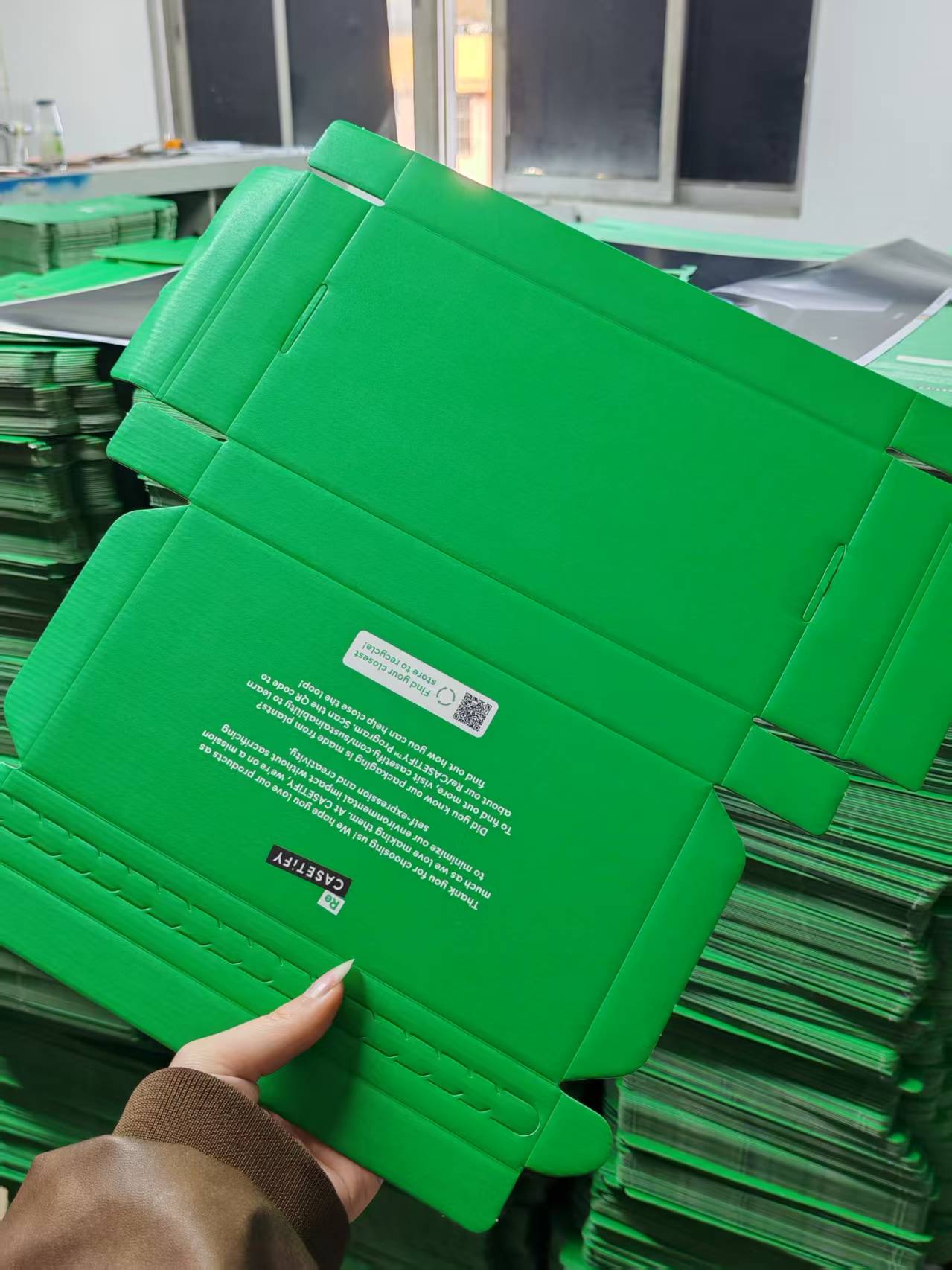
A lot of suppliers will tell you they are 'food grade compliant' or 'recycled board certified' without backing that up on paper. When you ask for the actual facility certificates, the gaps start to show. The most meaningful documents for food-contact board are FDA 21 CFR 176.170 and 176.260 letters, EU Framework Regulation 1935/2004 compliance statements, and German BfR recommendations, often confirmed through an ISEGA certificate. For recycled content, look for FSC Recycled, SFI Certified Sourcing, or PEFC Recycled labels tied to the specific mill, not just a trader's name.
One thing we have learned from reviewing supplier paperwork is that a generic ISO 9001 or ISO 14001 certificate gets passed off as a food-safety or environmental certification far too often. Those management system standards say nothing about whether the board is safe for direct food contact or whether the recycled fiber percentage is genuine. Another common issue is certificates that cover only one machine or one grade, while the board you are buying comes from a different line. Always check the certificate's scope, expiration date, and the exact facility address.
If a mill cannot produce a current ISEGA letter or a dated FDA compliance statement for the specific grade you are ordering, treat that as a red flag. The same goes for recycled board sold without a chain-of-custody certificate from an independent auditor. Request a copy of the full certificate, not just the logo on a datasheet, and confirm that the audit was carried out within the last twelve months. Facilities that are serious about food-grade or recycled board will usually have these documents ready to share in a day, not after weeks of chasing.
How Transparent Are They About Raw Material Pricing When Markets Shift?
When resin and aluminum prices moved sharply, the procurement team started attaching supplier quotes to every price adjustment notice. That small change made a real difference: instead of a generic line about volatile input costs, we could see exactly which grade of polymer jumped and which supplier triggered the increase.
The transparency drops off when you push for forward guidance. They will rarely say a material is expected to climb next quarter, even when their own buying patterns show they are stocking up. If you ask directly, the answer is usually that pricing is reviewed monthly and customers will be notified before any change takes effect.
What they do better than most is separate raw material movement from their own margin adjustments. The quote breaks out the indexed portion and the fixed conversion cost, so you are not left guessing whether the extra 4 percent is all market-driven or partly their own re-pricing.
What Does Their Quality Control Process Look Like Beyond the Sample Kit?
Most manufacturers are happy to show off a polished sample, but the real test begins when the first bulk order hits the production line. You want to know whether the stitching stays straight after the thousandth unit, how they handle material inconsistencies mid-run, and who actually signs off before anything gets packed. A factory with a genuine quality control process will walk you through their in-line checks, not just a final once-over at the end.
Look for details like random batch pull rates, tolerance thresholds for minor defects, and what happens to pieces that fail inspection. Do they rework them quietly, or do they quarantine and report back to you with photos and data? The best partners treat QC as a conversation, not a checkpoint. They'll flag a zipper that's slightly off-spec before it becomes your customer's problem, and they'll have a clear escalation path if a whole lot dips below standard.
Beyond the sample kit, ask about their supplier auditing habits and how often they recalibrate measurement tools. A factory that can show you dated inspection logs, corrective action reports, and a traceable batch code on every carton is one that has already moved past the showroom stage. That's the difference between a vendor who can reproduce a pretty prototype and one who can protect your brand at scale.
How Do They Handle a Full Container That Arrives With Crushed Corners or Moisture Damage?
A full container arriving with crushed corners or moisture damage gets stopped at the dock for a slow, documented inspection before anyone starts pulling cartons. The team photographs the damaged areas, checks the seal, and opens the doors just enough to look for condensation, staining, or warped boxes. If moisture is present, the affected section is roped off so wet cartons never touch clean stock.
Crushed corner posts that did not break the interior are usually signed for as an exception, but the cargo inside still gets a carton-level check. With moisture damage, the crew separates anything that feels damp, smells musty, or shows water rings. Goods that stay dry and odor-free move into normal inventory; anything questionable sits in quarantine until a quality lead clears it or marks it for rejection.
After the inspection, the records go straight to the carrier and forwarder while the images are still time-stamped and organized. Minor outer-carton damage is handled by repacking and releasing the product with a written note. When the product itself is wet or crushed, that portion is refused on the spot and replacement or credit is arranged instead of holding up the entire shipment.
Will You Receive a Golden Sample to Approve Before the Full Run Begins?
Yes, for most orders we produce a single pre-production sample using the exact materials, finishes, and assembly methods planned for the full batch. This piece is shipped to you with detailed photos and a short video showing how it fits together, along with measurements against the specification sheet. You can inspect it in your own hands, test it with the intended hardware, and request small adjustments before we commit to cutting the remaining stock.
There are a few exceptions where a golden sample may not be practical, such as very low quantities, extremely tight deadlines, or certain multi-component assemblies that would require building an entire sub-run just to make one example. In those cases we typically share close-up process photos, material swatches, and a digital mock-up with tolerance callouts instead. You will know which path applies to your project before we start production, so there are no surprises later.
When the sample is approved, we keep it referenced at each workstation and compare every incoming batch against it during in-process checks. If something drifts from the approved piece, we pause and correct it rather than pushing through the full run. This slows us down slightly, but it catches finish variation, hole alignment issues, and material color shifts early enough to fix them without scrapping completed work.
FAQ
Confirm that the clock starts after final approval, not after deposit. Ask for a written late-shipment policy, including split shipments or air freight recovery, so a delay doesn't derail the launch.
A good supplier can suggest a lighter or cheaper construction that still passes your transit tests. If they only quote the spec you hand them, ask for samples and test data before locking the order.
Color shifts between substrates are common. Require physical drawdowns or press proofs on the exact material, and agree on an acceptable Delta E range before printing.
Clarify credit, reprint, replacement, and what photos or count data they need. The answer reveals whether they take ownership or push the risk back on you.
If they offer stocked inventory, ask who owns it, how long it can sit, and how reprints are priced. If made-to-order, confirm repeat setup charges and minimum run quantities.
Ask for total landed cost at three quantities. Some suppliers advertise a low MOQ but load plate, die, and setup fees onto the first run, making small orders impractical.
If your package carries an environmental claim, request mill certificates or third-party documents. General terms like 'eco-friendly' won't protect you if a claim is questioned.
Confirm pallet height, weight, stacking strength, and options like slip sheets or custom pallets. A cheap unit price means little if the load arrives crushed or unloadable.
Conclusion
Before committing to a first bulk paper packaging order, it pays to push suppliers on the operational realities that sample kits rarely reveal. A supplier may promise quick turnaround, but the real question is whether their production lines and staffing can absorb a sharp jump in volume without pushing your delivery dates back or forcing shortcuts. Ask them to walk you through current capacity, lead times during peak periods, and how they prioritize repeat customers versus new accounts. At the same time, dig into the certifications tied to the exact board stock you will receive. A generic ISO certificate is not the same as food-grade approval or recycled-content verification, so request current documentation and check whether it covers the specific facility that will run your order. Pricing clarity matters just as much, especially when raw material costs swing. The best suppliers will explain how their quotes are structured, how often they adjust pricing, and whether they lock rates for a set window rather than surprising you with a mid-production increase.
Quality control needs to be more than a polished sample kit and a list of past clients. Ask what happens on the actual production floor: how many checks occur during a run, what tolerances they use for print alignment and flap strength, and whether they pull random pieces from the middle of a batch rather than just the top layers. Equally important is their response when a full container arrives with crushed corners or moisture damage. A reliable partner should have a clear claims process, documented evidence requirements, and a willingness to replace or credit damaged stock without dragging out the conversation for months. Finally, insist on a golden sample, the exact approved reference piece that signs off on board thickness, print color, coating, and structural details before the full run begins. That single physical standard often prevents the kind of small drift that turns a strong first order into a costly mismatch.
Contact Us
Contact Person: Sunnie
Email: [email protected]
Tel/WhatsApp: +8615818596517
Website: https://www.imagine-craft.com/