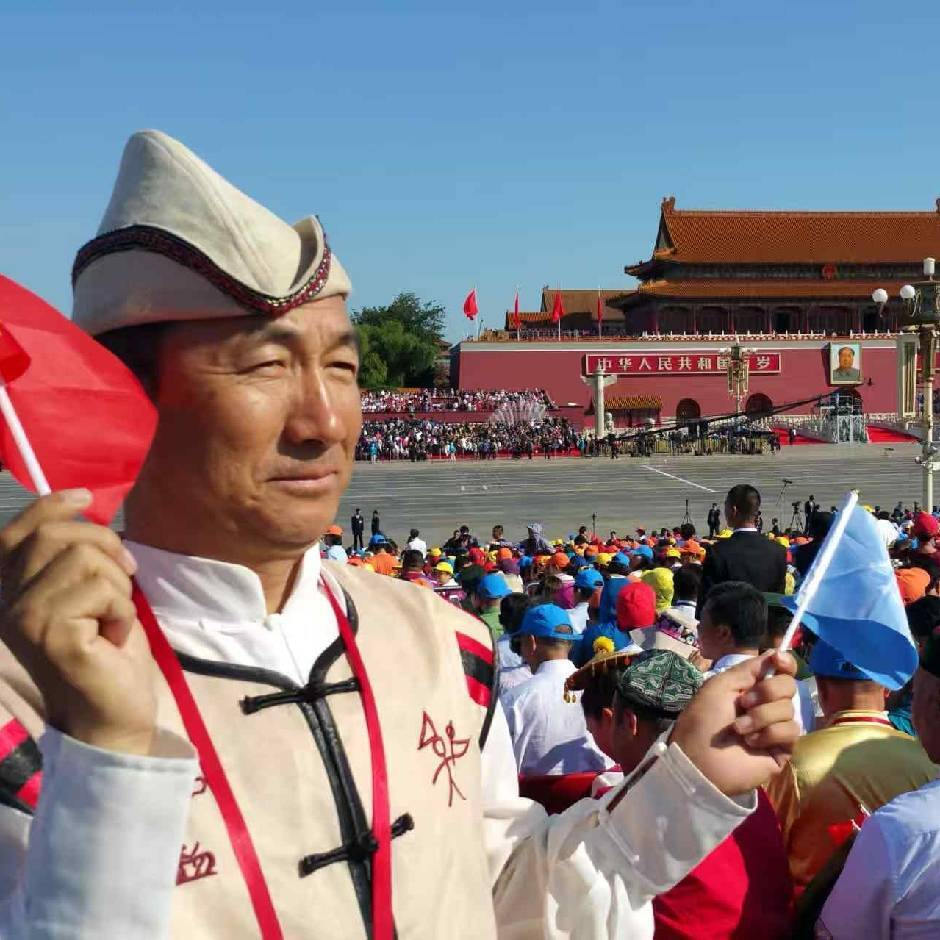

Naxi Cultural Attractions in China: A Journey Through Ancient Traditions
2026-07-25
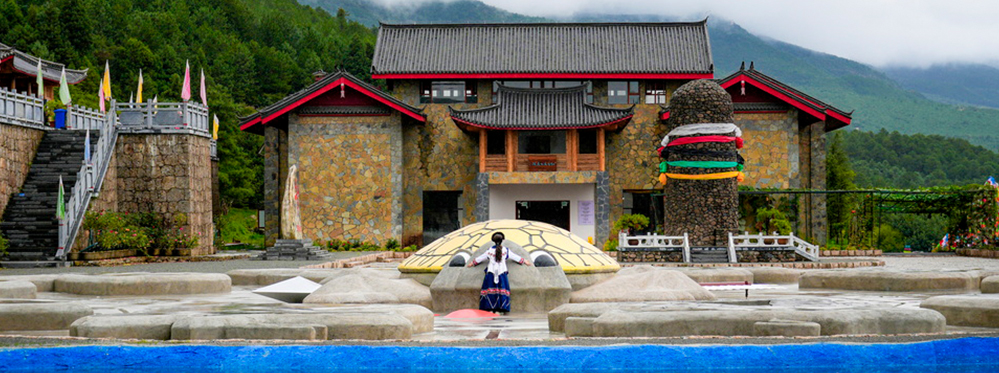
Imagine stepping into a land where ancient melodies drift through cobblestone lanes and centuries-old traditions breathe in every stone. China’s Naxi cultural attractions offer just that—a living tapestry of Dongba scripts, soulful music, and timeless rituals. Among these treasures, Jade Water Village stands out as a vibrant gateway to Naxi heritage, where sacred springs and stone dwellings whisper stories of a civilization that refuses to fade. In this journey, we’ll wander beyond the postcards and into the heart of a culture that still dances to the rhythm of its ancestors. Ready to unveil the secrets?
Stepping into Lijiang’s Ancient Labyrinth
The moment you cross the threshold of Lijiang’s old town, it feels less like entering a tourist site and more like being swallowed by a living, breathing maze. The cobblestone lanes spill in every direction, polished to a dark sheen by centuries of footfall. There’s no straight path here—the Naxi ancestors deliberately wove this tangle of alleys, so narrow that you can almost touch both walls with outstretched arms. Water channels murmur alongside, fed by the Black Dragon Pool, and the sound follows you like a quiet guide as you wander.
Every turn brings something unexpected: a doorway framed by faded couplets, a tiny courtyard where an old woman sorts vegetables, the sudden scent of baba bread cooking on a charcoal stove. The houses lean close, their curved eaves overlapping like the pages of an ancient book. Carved wooden panels above the doors depict tales of fish, birds, and mythical creatures—protectors of the household. The maze isn’t designed to confuse; it’s designed to slow you down, to make you notice the small details that speak of a life lived close to stone and water.
Soon you realize the layout mirrors the flow of water itself: the canals are the arteries, and to lose yourself is to find its rhythm. Locals still wash their vegetables in the channels, and children chase each other across the humpbacked bridges. At the market square, the labyrinth opens suddenly to a burst of color—the indigo-dyed fabrics, strings of dried mushrooms, and the weather-beaten faces of traders. It’s a place that holds time differently, where the echoes of mule caravans still seem to bounce off the stones, and the only way to truly know it is to keep walking, deeper into the puzzle.
Deciphering the Mystical Dongba Script
Cracking the code of the Dongba script is like peeling back layers of a living memory. Unlike dead languages locked in stone, these pictographs still whisper through the rituals of the Naxi people in southwest China. Each symbol isn't just a word—it's a tiny painting that bends meaning depending on how a shaman chants it. A single stroke can shift a deer into a journey, or turn a mountain into an ancestor. The real challenge isn't mapping picture to meaning, but mapping picture to the breath of a ceremony that hasn't stopped for a thousand years.
What trips up most attempts is the script's deliberate ambiguity. Dongba isn't a one-to-one system; it's more like a mnemonic forest where one glyph might stay silent while another shouts three syllables. A priest reading a manuscript doesn't follow a straight line—he dances across the page, filling gaps from memory passed down in dark, smoky rooms. Early Western explorers called it primitive, missing the point entirely. The script isn't broken shorthand; it's a key that only turns when held by someone who's heard the stories behind the shapes.
Lately, a handful of researchers are trying something radical: learning the script the way a child would, by immersing in Naxi villages instead of libraries. They sit through night-long chants, tracing symbols on palm leaves with elders who correct not grammar but tone and timing. One linguist spent three years just to understand why a tiger glyph sometimes means strength and other times danger—it hinges on a subtle flick of the brush that no dictionary can capture. These efforts are fragile, though. As the last fluent priests age, the script risks becoming a museum piece unless someone finds a way to carry the living voice forward, not just the ink.
Echoes of Naxi Ancient Music at Dusk
As the sun dips behind the jagged peaks of the Jade Dragon Snow Mountain, the old town of Lijiang breathes a different rhythm. The cobblestone alleys, still warm from the day, begin to fill with a sound that feels more like memory than music. It seeps out from wooden courtyards and drifts over the canals—a trembling, unhurried melody played on bowed lutes and bamboo flutes. The Naxi musicians, many in their seventies and eighties, sit in a loose circle, eyes half-closed, letting their instruments do the talking. This is not a performance for tourists in a hurry; it is a conversation with ancestors, a lament and a lullaby all at once.
The music itself resists easy classification. It blends Han Chinese classical themes, Tibetan chanting echoes, and the percussive heartbeat of indigenous Naxi ritual. Some pieces, like "The Waves Washing the Sand," have been passed down orally for over a thousand years, surviving imperial decrees and cultural upheavals because someone always remembered the tune. Close your eyes and you can almost see caravans on the Tea Horse Road, campfires flickering under Himalayan stars, merchants from far-flung kingdoms trading silk for stories. At dusk, the fading light seems to peel back the centuries, and the courtyard becomes a threshold between worlds.
What makes these evening gatherings precious is their quiet defiance of time. No sheet music is used; each phrase lives only in the fingertips and breath of the aging masters. When a grandfather passes, his particular ornamentation vanishes with him, and the surviving players adapt, subtly reshaping the tradition. The audience, if they are lucky, sense they are witnessing something irreplaceable—an art form that cannot be digitized or duplicated, only experienced in the hush of a lantern-lit hall while the last birds settle in the eaves and the fragrance of jasmine tea mingles with the crisp mountain air.
Sacred Peaks and the Legend of Jade Dragon Snow Mountain
The Jade Dragon Snow Mountain has long been revered by the Naxi people as a divine guardian. According to local legend, the mountain is the embodiment of a heroic warrior who sacrificed himself to protect the valley from invaders. His body turned into the thirteen peaks, forever standing guard over the land below. Even today, Naxi shamans perform rituals at the mountain’s base, seeking blessings and maintaining a deep spiritual connection with these sacred slopes.
Towering at over 5,500 meters, the Jade Dragon Snow Mountain presents a striking contrast between its snow-capped peaks and the subtropical warmth of Lijiang at its feet. Hiking trails wind through ancient forests and alpine meadows, where wildflowers burst into color during the brief summer. The Glacier Park offers a rare chance to walk on a modern glacier at such a low latitude, a testament to the mountain’s unique climatic position.
For centuries, artists and poets have tried to capture the mountain’s elusive beauty, often describing how its appearance shifts with the light—from a pale blue at dawn to a golden glow at sunset. The legend holds that those who witness the mountain fully unveiled, without clouds obscuring its summit, will receive a year of good fortune. This mix of natural grandeur and cultural mystique makes the Jade Dragon Snow Mountain more than just a landmark; it’s a living story etched into the skyline of Yunnan.
Baisha Murals: Where Buddhism Meets Naxi Folk Art
Tucked within quiet temples in the ancient town of Baisha, the murals unfurl a visual tapestry where Buddhist iconography tangles with the everyday life of the Naxi people. Painted across the Ming Dynasty, these frescoes depict serene bodhisattvas alongside hunters, farmers, and dancers, all rendered in flowing lines and subdued mineral hues. The blend feels less like religious instruction and more like a conversation across spiritual boundaries, as if the artists couldn’t help but weave their own mountain myths and folk symbols into the sacred scenes.
What makes the Baisha murals unique is their quiet defiance of artistic orthodoxy. In one panel, a Buddhist deity is framed by swirling clouds that morph into the native Dongba script, a pictographic language used by Naxi shamans. Elsewhere, a Taoist immortal shares space with a Tibetan lama, while local legends borrow the visual language of Chinese court painting. The result is a syncretic art form that mirrors the historic crossroads of the Tea Horse Road, where the Naxi absorbed and reshaped the beliefs of passing caravans.
Time has worn the plaster, muting once-bright vermilions to earthy rust, yet the murals retain a startling intimacy. In the cramped Da Bao Ji Palace, a life-sized Sakyamuni seems to meet your gaze while Naxi women in traditional capes harvest wheat nearby. It’s this grounding in the local—the turn of a yak’s head, the pattern of a woven basket—that saves the art from abstraction. The Baisha murals don’t just record a meeting of faiths; they capture a community’s quiet insistence on making heaven resemble home.
Homestays and Heirloom Recipes: Living Traditions of the Naxi
Staying in a Naxi homestay feels less like booking a room and more like being folded into a family. In the ancient stone lanes of Lijiang or the quieter villages near Shuhe, wooden courtyard homes open onto sunlit spaces where meals are prepared over generations-old recipes. You might wake to the scent of baba bread toasting on a charcoal stove, or find yourself invited to help grind spices for a broth that’s been simmered the same way since before the Tea Horse Road was mapped.
These aren’t dishes you’ll find on restaurant menus—they’re guarded heirlooms, passed from grandmother to granddaughter in steamy kitchens filled with hanging cured pork and earthen jars of pickled vegetables. A host might teach you to fold mushrooms into a clay pot with mountain herbs picked that morning, explaining how the Dongba scriptures called this food a way to honor the snow-capped peaks. The flavors are quiet and deep, built on fermented soy, wild ginger, and the smokiness of a five-year-aged ham that hangs from the rafters.
Evenings often spill into collective cooking sessions where guests and family members sit on low stools, shredding fern fronds or wrapping glutinous rice in bamboo leaves while stories of migration routes and guardian deities float through the conversation. You leave with more than a recipe written on a scrap of paper—you carry an imprint of a culture that understands food as memory, and a table as sacred ground.
FAQ
It’s often called a living fossil of Chinese music. The repertoire relies on old scores that have been passed down orally for centuries, and the instrumentation—such as the sugudu and erhuang—creates a stately, unhurried sound rarely heard elsewhere. The pieces often mimic nature, with rhythms that echo the wind through the mountains or the flow of a river.
Head to Yuhu Village, tucked at the foot of Jade Dragon Snow Mountain. It’s where the explorer Joseph Rock once lived and wrote about Naxi culture. You can still walk the old stone lanes, see traditional wooden houses with their distinctive upturned eaves, and watch locals go about daily tasks like weaving and sun‑drying crops.
Dongba is a pictographic script created by the shamans of the same name. Instead of abstract characters, it uses simple drawings—a man, a tree, a bird—to convey meaning. Only a handful of elders still read and write it fluently, making it a fragile link to a pre‑literate spiritual world.
It’s considered a sacred protector. The mountain deity, Sanduo, is believed to dwell there and watch over the Naxi people. Many legends explain the peak’s eternal snow as Sanduo’s white armor, and annual pilgrimages used to climb its slopes to honor him and pray for good harvests.
Yes, though they are less common. Small ceremonies for healing or blessing can still be arranged in certain villages, usually involving a Dongba priest chanting, tossing grain, and burning incense. These rituals blend animism with traces of Tibetan Bon and Buddhism, offering a glimpse into the Naxi’s deep connection to the spirit world.
Shuhe was once a key stop on the Tea Horse Road. Pony caravans loaded with Pu’er tea would rest here before heading north. The town’s layout still bears the marks of its mercantile history: open‑fronted shops, broad cobbled squares for loading goods, and a beautiful stone bridge that has been photographed for decades.
In Baisha village you can find small studios offering paper‑making workshops using the bark of the local wikstroemia shrub. You can also try Naxi embroidery, known for its heavy, textured stitches and star‑shaped patterns. Most workshops are run by families who have passed the techniques down for generations.
Conclusion
Wandering through the ancient labyrinth of Lijiang, you step into a world where cobbled streets and wooden eaves whisper centuries of Naxi heritage. The mystical Dongba script, a living pictographic language, decorates shop signs and temple walls, inviting you to decipher stories of gods and nature. As dusk settles, the haunting echoes of Naxi ancient music drift from courtyards, a sonic thread linking the modern heart to Tang dynasty harmonies. Beyond the town, the sacred peaks of Jade Dragon Snow Mountain loom, their glaciers shimmering like the legendary protector spirit himself, a constant presence that shapes local myth and daily life.
In nearby Baisha, murals blend Buddhist iconography with vibrant Naxi folk motifs, creating a visual dialogue between imported faith and indigenous creativity. The journey deepens in villages where homestays offer more than shelter — here, heirloom recipes simmer over hearths, and guests share meals infused with stories of migration and resilience. From the silent script on paper to the lingering notes of a flute, from painted walls to snow-crowned summits, each encounter reveals how the Naxi people do not merely preserve their culture, but live it daily, weaving ancient traditions into the fabric of a rapidly changing present.
Contact Us
Contact Person: Changhong He
Email: [email protected]
Tel/WhatsApp: 086-0888-5190152
Website: https://vip.e-baixing.com/ysh