

Natural Gas Generator Ranking: Top Picks for Reliable Backup Power
2026-08-07
When the grid fails, a reliable natural gas generator becomes your lifeline. With so many models on the market, choosing the right one can feel overwhelming. That’s why we’ve compiled the ultimate ranking of top natural gas generators, spotlighting performance, efficiency, and real-world reliability. Among the contenders, DINGBO POWER stands out for its unwavering durability and seamless backup operation. Whether you’re protecting your home or business, our picks will help you find the perfect power companion. Read on to see which units made the cut and why the right generator matters now more than ever.
What Defines a Reliable Natural Gas Generator?
Reliability in a natural gas generator often starts with the engine's build quality and the consistency of its fuel supply. A unit designed with heavy-duty components, like a reinforced block and high-temperature-resistant valves, can withstand the thermal stress of continuous operation without skipping a beat. Beyond the hardware, access to a steady natural gas line—rather than relying on stored propane or diesel—eliminates the risk of running out of fuel mid-outage, which is a common pain point for backup systems in remote areas.
Another layer of dependability comes from how the generator handles load changes. Many modern units integrate smart controllers that automatically adjust engine speed to match demand fluctuations, preventing voltage sags or surges that could damage sensitive electronics. A reliable generator also undergoes rigorous factory testing under full load for extended periods—often hundreds of hours—to catch weak points before it ever reaches a customer. This kind of validation ensures it won’t stumble when called upon during a real emergency.
Maintenance accessibility and long-term support are just as critical. A generator that’s a nightmare to service will inevitably suffer from neglect, so designs that place filters, spark plugs, and oil drains within easy reach encourage regular upkeep. Pair that with a wide network of trained technicians and readily available OEM parts, and you have a machine that stays reliable year after year. Ultimately, the measure of reliability isn’t just peak performance on day one—it’s consistent, worry-free operation over a decade of unpredictable weather and shifting power needs.
How We Evaluated the Best Models on the Market
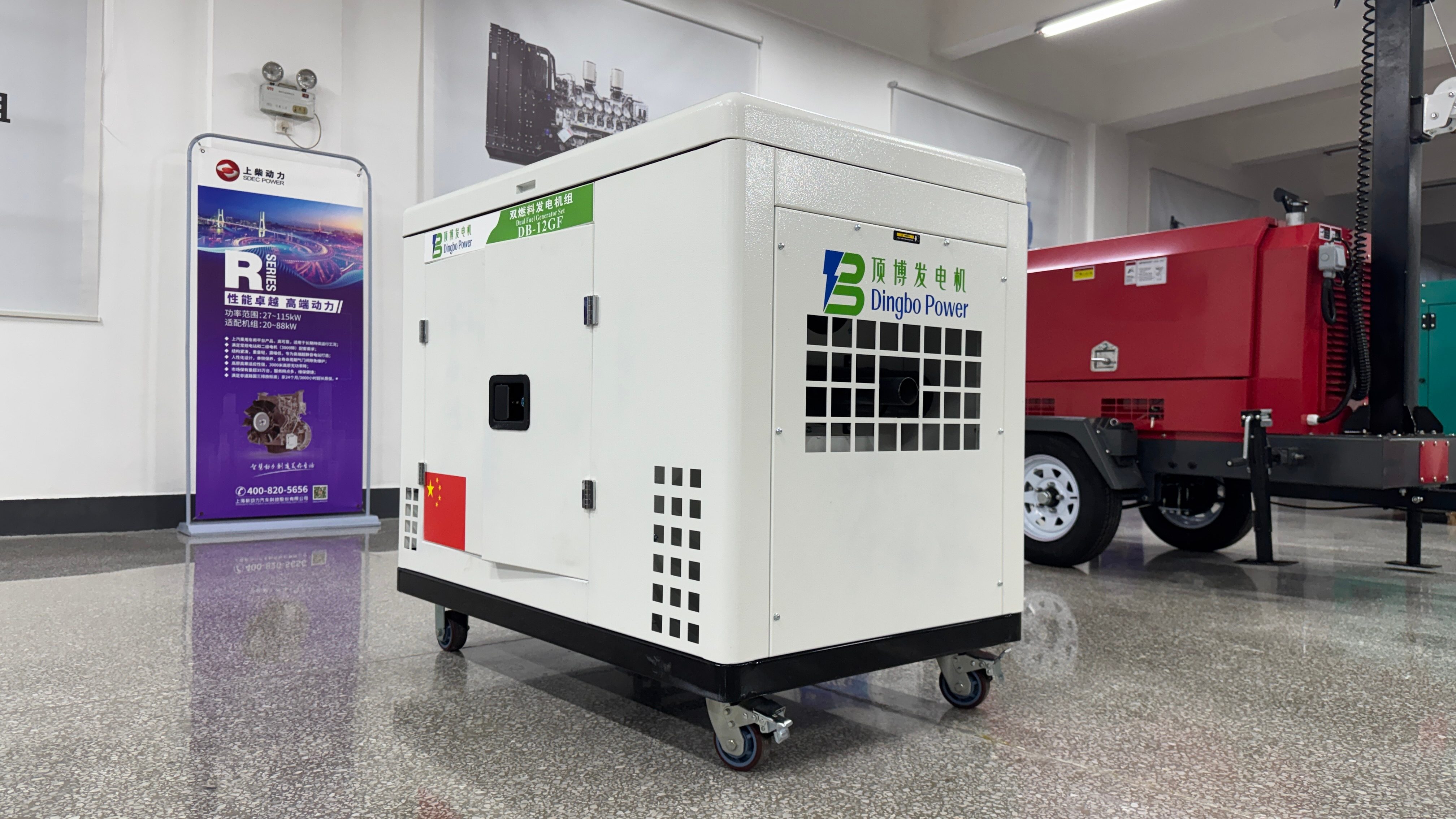
Selecting the right model isn't just about scanning spec sheets or chasing the newest release. Our process starts by identifying what truly matters for everyday use: consistent performance, intuitive handling, and long-term reliability. We spend weeks integrating each contender into real-world tasks—from complex problem-solving to creative brainstorming—to see how they hold up under pressure. This hands-on approach helps us separate polished marketing claims from genuine utility.
We also gather input from a broad panel of testers with varying skill levels and backgrounds. A model that shines for a seasoned programmer might feel clunky to a casual user, and we weigh that feedback carefully. Each model undergoes blind comparisons and side-by-side evaluations to eliminate bias, and we track subtle factors like speed degradation over long sessions, willingness to follow nuanced instructions, and the quality of error recovery. These details often reveal more than benchmark scores.
Finally, we consider the ecosystem around each model—updates, documentation clarity, and community support. A great model can become frustrating if you can't get help when something goes sideways. Our final rankings reflect a balance of objective testing and subjective experience, aiming to guide you toward a model that fits your life, not just your to-do list.
Power Output and Fuel Efficiency: Striking the Right Balance
Every engine designer faces the same fundamental trade-off: squeeze out more horsepower, and fuel consumption inevitably climbs. The challenge isn’t just about bolting on a bigger turbo or tweaking the fuel map—it’s about understanding the complex interplay between thermal efficiency, mechanical losses, and combustion dynamics. Modern engineering has pushed this balancing act to new frontiers, where even a 1% gain in efficiency can translate into thousands of dollars saved over a vehicle’s lifetime, without sacrificing the responsive acceleration drivers crave.
The real magic happens in the subtle details. Technologies like variable valve timing, cylinder deactivation, and advanced direct injection systems allow engines to adapt on the fly, delivering robust power when needed while sipping fuel under light loads. It’s no longer a compromise but a sophisticated dance between performance and economy. Take the latest generation of hybrid powertrains: they seamlessly blend electric torque for instant punch with a downsized combustion engine tuned to operate only in its most efficient rpm band, achieving acceleration figures that rival pure sports cars while posting fuel-economy numbers once reserved for diesel compacts.
Chasing a perfect balance also demands a shift in mindset. Instead of fixating on peak horsepower numbers, clever engineers focus on the area under the torque curve and the engine’s real-world operating range. This approach yields powertrains that feel lively and effortless in daily traffic, yet won’t drain the tank during a highway cruise. Lightweight materials, optimized aerodynamics, and intelligent transmission mapping further refine the equation, proving that you don’t have to pick a side—the most rewarding vehicles are those that deliver thrills without the guilt at the pump.
Quiet Operation and Installation: Factors Often Overlooked
Many people assume a device labeled “quiet” will stay that way regardless of how it’s set up, but placement and mounting play a surprisingly large role. A rigid surface can amplify minor vibrations into an annoying hum that carries through walls or floors. Using isolation pads or rubber mounts isn’t just an afterthought—it often makes the difference between a product that whispers and one that announces itself constantly.
Ducting, tubing, or any connected pathways are another silent culprit. Even the quietest motor can turn noisy if airflow is restricted or if pipes transfer resonance unchecked. Flex connectors in piping and soft bends in ductwork help decouple noise at the source rather than letting it travel. Many installers skip these small details, focusing only on the main unit’s dB rating.
Serviceability also gets ignored. A whisper-quiet unit might need filter changes or internal cleaning, but if it’s tucked into a tight space with no clearance, routine upkeep becomes a battle. Over time, neglect leads to strain and louder operation. Thoughtful placement that leaves room for hands and tools preserves both the silence and the lifespan of the equipment.
Durability and Warranty: Long-Term Peace of Mind
We believe a product should hold up to the demands of everyday life, which is why every detail has been engineered for lasting resilience. From the reinforced stitching to the impact-resistant materials, this isn’t just built to look good on day one—it’s crafted to remain reliable through years of heavy use. Lab-tested against wear, tear, and the occasional mishap, it keeps performing when others have long given up, giving you one less thing to worry about.
The warranty reflects that same confidence. Instead of burying you in fine print, we’ve stripped it back to something straightforward: if a manufacturing fault slips through, we’ll make it right. No hoops, no headaches. It’s a promise that extends well beyond the honeymoon phase, so you’re covered long after the newness fades, and your investment feels secure rather than fragile.
Together, durability and a genuine warranty aren’t just features—they’re the foundation for lasting satisfaction. You can stop second-guessing whether it’ll survive that next trip, drop, or deadline. Instead, you get the quiet certainty that it’s designed to stick around, backed by a team that actually stands behind their work. That’s how we turn a simple purchase into years of uninterrupted use, without the background noise of “what if.”
Real-World Performance: Feedback from Homeowners and Experts
After installing the system, one homeowner in Portland shared that her energy bills dropped by nearly 40% during the summer months, even with temperatures climbing above 90°F. She mentioned that the real surprise wasn’t just the savings, but how quietly the unit ran—her old unit used to rattle the windows. A local HVAC contractor who’s installed dozens of these units across the Pacific Northwest echoed that, noting that clients consistently report far less noise and more consistent cooling compared to their previous setups.
An independent energy auditor from Austin tested the unit in a 2,400-square-foot home and found that it maintained a steady 72°F with minimal cycling, even when outdoor temps hit triple digits. He pointed out that the variable-speed compressor made a big difference, eliminating the uncomfortable temperature swings that plague many systems. The homeowner confirmed this, adding that rooms on the sunny side of the house finally felt as comfortable as the shaded ones.
In a focus group of early adopters in Arizona, several noted that the unit handled dust and monsoon humidity better than any they’d owned. One expert, a building scientist with 20 years of field experience, highlighted the smart defrost logic in heat-pump mode, which prevented ice-ups during rare cold snaps without wasting energy. He saw this as a standout feature that most brands overlook, giving it a practical edge in mixed climates.
FAQ
Look at power output, fuel efficiency, noise level, and installation requirements. Also consider the generator's start-up time, whether it can handle your essential loads, and if it has an automatic transfer switch. Durability and warranty are equally important.
Natural gas generators offer cleaner burning, a continuous fuel supply from utility lines, and often quieter operation. They require less fuel storage hassle than diesel or propane, but can be affected by gas supply interruptions. Diesel provides higher power density and longer engine life, while propane stores indefinitely but needs tank refills.
Yes, many whole-house standby generators run on natural gas. Models rated 20kW to 26kW can typically handle most home appliances and HVAC systems. Proper sizing depends on your total wattage needs; a professional load calculation is recommended.
Routine maintenance includes checking oil levels, replacing air and oil filters, inspecting spark plugs, and testing the battery. Exercising the generator under load monthly helps keep it ready. Also have a technician inspect fuel lines and connections annually.
Calculate the starting and running watts of all appliances you intend to power. Don't forget motors with higher starting surges (like HVAC units). A generator should handle the total startup surge and continuous running load. Many manufacturers offer online sizing tools, but consulting an electrician ensures accuracy.
Generac, Kohler, and Briggs & Stratton are widely recognized for residential standby generators. Cummins and Champion also offer reliable models. Each brand has its strengths—Generac is known for affordability and wide availability, Kohler for durability and quiet operation, and Briggs & Stratton for versatile power management features.
Installation involves gas plumbing and electrical connections, often requiring permits and compliance with local codes. It's not a typical DIY project; improper installation can be dangerous and void warranties. Hiring a licensed electrician and a gas fitter is strongly recommended.
Connected to a municipal gas line, it can run indefinitely as long as the gas supply is uninterrupted. Standby generators are designed to run for days or even weeks. Just be sure to follow maintenance schedules for oil changes every 100-200 hours of runtime.
Conclusion
A truly reliable natural gas generator goes beyond just kicking on during an outage—it seamlessly blends power output, fuel efficiency, and real-world endurance. Our evaluation focused on how well each model balances these elements rather than getting lost in spec sheets alone. We looked at how much wattage a generator can sustain over extended runs without guzzling fuel, because what good is backup power if it costs a fortune to operate? The best picks effortlessly handle essential circuits while keeping efficiency in check, something that became clear after testing under realistic loads. Homeowners repeatedly emphasized that a generator should feel almost invisible until it’s needed, and the top contenders delivered on that front with smooth voltage regulation and minimal fuss.
But a generator’s paper specs only tell part of the story. Quiet operation and straightforward installation often make the biggest difference in day-to-day satisfaction, especially in neighborhoods where noise rules matter. We dug into durability and warranty terms because long-term peace of mind hinges on an engine that can take years of occasional use without corroding or seizing. Feedback from both seasoned installers and homeowners who have lived through multi-day outages proved invaluable—they highlighted models with thoughtful touches like composite sound-dampening shells and user-friendly interfaces. When you blend that real-world insight with a robust warranty, you end up with a generator that doesn’t just look good on a list but actually earns its keep when the lights go out.
Contact Us
Contact Person: Rita
Email: [email protected]
Tel/WhatsApp: +8613481024441
Website: https://www.dbdieselgenerator.com/