

Mold Steel Manufacturing: The Essential Guide to Durable and Quality Molds
2026-04-11
Welcome to our deep dive into mold steel manufacturing, a crucial yet often overlooked aspect of modern industry. At the heart of durable and quality molds lies the precision and reliability of materials, and that's where brands like Jiangsu Baowu New Materials are making a significant impact. In this guide, 'Mold Steel Manufacturing: The Essential Guide to Durable and Quality Molds,' we'll explore the key factors that set top-tier molds apart—from material selection to advanced production techniques. Whether you're a seasoned engineer or just curious about how everyday products are shaped, this blog will unravel the secrets behind creating molds that stand the test of time. Get ready to discover insights that not only enhance performance but also drive innovation in manufacturing processes.
Key Properties and Characteristics of High-Quality Mold Steel
High-quality mold steel stands out primarily due to its exceptional strength and toughness, which are crucial for resisting the immense pressures and impacts encountered during injection molding or die-casting processes. Unlike standard steels, premium grades often incorporate refined grain structures and specialized alloys like chromium, molybdenum, or vanadium, enhancing resistance to wear and deformation. This ensures that molds maintain precise dimensions over thousands of cycles, minimizing downtime for repairs and delivering consistent product quality in industries ranging from automotive parts to consumer electronics.
Another key characteristic is superior thermal conductivity and heat resistance, allowing mold steel to dissipate heat efficiently during high-temperature operations. This property prevents premature failures such as thermal fatigue or cracking, extending the mold's lifespan significantly. Manufacturers often prioritize steels with balanced compositions that avoid excessive hardness, which could lead to brittleness, while still providing enough rigidity to handle complex geometries without warping. Innovations in steelmaking techniques, like vacuum degassing, further reduce impurities, resulting in cleaner, more homogeneous materials that perform reliably under stringent conditions.
Corrosion resistance and machinability are also vital traits of high-quality mold steel, directly impacting maintenance costs and production efficiency. Advanced formulations with added nickel or copper elements can better withstand harsh chemicals and humid environments, reducing the need for frequent surface treatments. Moreover, steels designed for easy machining allow for faster fabrication of intricate mold cavities, saving time and resources in tooling development. By integrating these properties, mold steel not only boosts operational longevity but also supports faster turnaround times, making it a strategic investment for manufacturers aiming to stay competitive in dynamic markets.
A Comprehensive Overview of Mold Steel Manufacturing Processes
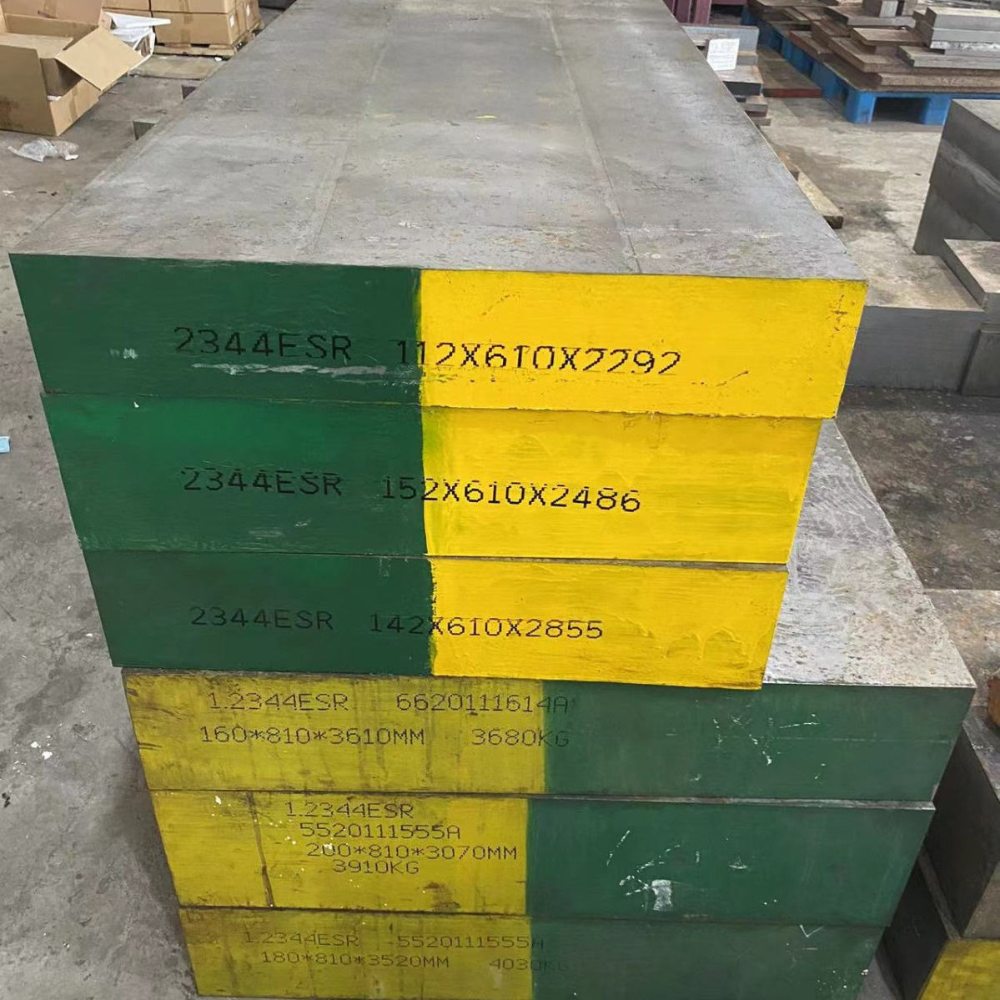
Mold steel manufacturing begins with the selection of raw materials, typically high-grade alloys rich in elements like chromium, vanadium, and molybdenum to enhance durability and wear resistance. This initial phase involves precise control over the chemical composition, as even minor variations can significantly impact the final properties of the steel, such as hardness and toughness. Melting is often carried out in electric arc furnaces or vacuum induction furnaces to minimize impurities, ensuring a cleaner product that meets stringent industry standards for mold applications.
Following melting, the steel undergoes various forming processes, including casting into ingots or continuous casting into billets. These forms are then hot-rolled or forged into shapes approximating the desired mold dimensions, which helps refine the grain structure and reduce defects. Heat treatment is a critical step, involving techniques like quenching and tempering to achieve the optimal balance of strength and ductility. This stage defines the steel's ability to withstand the stresses of injection molding or die-casting operations, making it a cornerstone of the manufacturing workflow.
In the final stages, secondary processing such as machining, grinding, and polishing is employed to precisely shape the steel into functional molds. Advanced methods like CNC milling and EDM (Electrical Discharge Machining) allow for intricate designs and tight tolerances, crucial for producing high-quality plastic parts or metal castings. Throughout these steps, quality assurance involves rigorous testing for hardness, microstructural integrity, and surface finish, ensuring that each mold meets performance demands and extends its service life in industrial settings.
Selection Criteria for Mold Steel Based on Application Requirements
Choosing the right mold steel isn't just about picking a material off the shelf; it's about aligning the steel's properties with the specifics of your production environment and part design. For applications involving high-volume runs or abrasive materials like fiberglass-reinforced plastics, the steel's wear resistance becomes paramount. A tool that wears out quickly leads to costly downtime and inconsistent part quality, so materials like D2 or H13, known for their hardness and durability, might be top contenders. Conversely, if you're molding intricate parts with thin walls, thermal conductivity and machinability take center stage to prevent warping and ensure precise tooling without excessive effort.
Beyond hardness, consider factors like corrosion resistance if your process involves moisture or corrosive chemicals, which could lead to pitting and premature failure. Cost also plays a role, but it's often a balancing act: a more expensive steel like stainless might pay off in longer tool life for specific uses, while a budget-friendly option could suffice for low-stress prototypes. Ultimately, the selection hinges on a thorough analysis of how the steel's characteristics—from toughness to polishability—meet the demands of your particular application, ensuring the mold performs reliably under real-world conditions.
In practice, many engineers rely on a checklist that includes the plastic material being molded, the expected production volume, and the mold's design complexity. For example, P20 steel is popular for its good balance of machinability and polishability in general-purpose molds, but it might fall short for high-temperature applications where H13's heat resistance shines. By tailoring the choice to these criteria, you can optimize both performance and longevity, minimizing surprises on the shop floor and keeping projects on track.
Best Practices for Heat Treatment and Surface Finishing in Mold Production
In mold production, the heat treatment process is a critical step that directly determines the durability and performance of the final tool. It's not just about heating and cooling; it involves precise control of temperatures, soaking times, and cooling rates to achieve the desired hardness and toughness. For instance, tools made from H13 steel often undergo austenitizing followed by quenching and tempering to balance wear resistance with shock absorption. Skipping or rushing this phase can lead to premature failure, cracks, or dimensional instability, making it a non-negotiable practice in high-quality mold manufacturing.
Surface finishing, on the other hand, is where the mold transforms from a functional piece to a masterpiece. Beyond mere aesthetics, it impacts the release of molded parts, reduces friction, and enhances corrosion resistance. Techniques like polishing to mirror-like finishes or applying coatings such as PVD (Physical Vapor Deposition) can significantly extend mold life. A common oversight is neglecting post-heat treatment finishing, which can leave residual stresses or roughness that compromise performance; integrating both processes seamlessly ensures molds not only last longer but also produce superior-quality products consistently.
What sets exceptional mold production apart is the synergy between heat treatment and surface finishing. Rather than treating them as isolated steps, best practices involve planning them together from the design stage. For example, selecting materials that respond well to both processes, like pre-hardened steels, can streamline workflows. Real-world applications, such as in automotive or electronics molding, show that molds with tailored heat treatments and finishes reduce downtime and maintenance costs, highlighting how these practices aren't just technicalities but strategic investments in efficiency and reliability.
Common Challenges and Solutions in Mold Steel Fabrication
When fabricating mold steel, one of the most common hurdles is achieving precise dimensional accuracy and surface finish, especially for complex geometries like deep cavities or intricate cooling channels. This often stems from material stresses during machining or heat treatment, leading to warping or surface imperfections that can compromise mold performance and part quality. To tackle this, manufacturers rely on advanced techniques such as stress-relieving heat treatments before final machining and using high-speed machining with specialized tooling to minimize residual stresses and improve surface integrity.
Another persistent challenge lies in material selection and its impact on tool life and production efficiency. Mold steels vary widely in hardness, toughness, and corrosion resistance, with trade-offs that can lead to premature wear or cracking under high-pressure injection molding conditions. For instance, opting for a harder steel might enhance durability but increase machining time and tool wear. A practical solution involves tailored material choices based on specific application demands—like using pre-hardened steels for simpler molds to reduce post-machining treatments or incorporating surface coatings like nitriding to boost wear resistance without sacrificing machinability.
Efficient cooling system fabrication also poses difficulties, as poorly designed or executed cooling channels can cause uneven temperature distribution, leading to longer cycle times and part defects like warpage. Many fabricators struggle to balance channel placement with structural integrity, especially in thin-walled sections. Innovations in this area include additive manufacturing for conformal cooling channels that follow part contours more closely, improving heat dissipation and reducing cycle times by up to 30%, alongside simulation software to optimize layouts before physical fabrication begins.
Advancements and Trends in Mold Steel Technology and Innovation
Recent years have witnessed groundbreaking strides in mold steel technology, driven by the relentless pursuit of higher performance and efficiency in manufacturing. Innovations in alloy design have led to the development of steels with superior hardness and toughness, enabling molds to withstand extreme pressures and temperatures without compromising durability. For instance, the integration of nano-scale precipitates has enhanced wear resistance, significantly extending mold life in high-volume production environments. This evolution not only reduces downtime but also cuts costs, making advanced mold steels a game-changer for industries like automotive and consumer electronics.
A notable trend shaping the future is the shift towards smart and sustainable manufacturing practices. Mold steels are now being engineered with improved thermal conductivity, which accelerates cooling cycles and boosts productivity. Additionally, the adoption of additive manufacturing techniques allows for the creation of complex mold geometries that were previously unattainable, opening up new possibilities for intricate part designs. These advancements are complemented by a growing emphasis on eco-friendly materials, with researchers exploring low-carbon steels to minimize environmental impact.
Looking ahead, the convergence of digital technologies and material science is set to redefine mold innovation. Real-time monitoring systems embedded in molds can predict failures before they occur, enhancing reliability through predictive maintenance. Coupled with AI-driven simulations, this enables precise optimization of steel properties for specific applications. As industries demand faster turnaround times and higher precision, the continuous refinement of mold steel technology promises to keep pace, driving unprecedented efficiency and quality in production processes worldwide.
FAQ
The book concentrates on the processes and techniques involved in producing high-grade steel for molds, emphasizing durability, precision, and quality in manufacturing.
It explores advanced metallurgical methods, heat treatment procedures, and material selection criteria that enhance the longevity and performance of molds under various industrial conditions.
Unlike general guides, it provides in-depth insights into niche aspects like alloy composition optimization and real-world case studies, offering practical solutions for specific challenges in the field.
Engineers, manufacturers, and technicians involved in mold design, production, or maintenance will find it invaluable for improving their techniques and achieving better outcomes.
Yes, by detailing efficient manufacturing processes, waste reduction strategies, and preventive maintenance tips, it helps optimize resources without compromising on mold durability.
The guide covers rigorous testing protocols, inspection standards, and quality control measures that ensure molds meet high-performance specifications and industry benchmarks.
Conclusion
Mold steel manufacturing is a intricate discipline where the interplay of material properties and processing techniques dictates mold longevity and performance. High-quality mold steels exhibit core characteristics such as exceptional hardness, wear resistance, and thermal conductivity, which are fundamental for withstanding repetitive production cycles. The manufacturing processes, from forging and machining to heat treatment, are meticulously controlled to refine these properties, ensuring consistency and reliability. Challenges in fabrication, like warping or cracking, are addressed through precision engineering and advanced solutions, ultimately contributing to the durability that defines superior molds.
Selecting the appropriate mold steel hinges on specific application requirements, guiding manufacturers to balance cost and performance for optimal outcomes. Best practices in heat treatment and surface finishing enhance mold resilience, while ongoing advancements in technology drive innovation, such as improved alloy compositions and automated processes. These trends not only solve common fabrication issues but also push the boundaries of quality, making mold steel manufacturing an evolving field that is essential for producing durable, high-precision molds in modern industries.
Contact Us
Contact Person: Zoe Liang
Email: [email protected]
Tel/WhatsApp: 86 189 2128 6299
Website: https://www.baowuchina.com