

Mid-Diameter Fiber Fusion Splicer Supplier Checklist Every Buyer Should Use
2026-11-24
Sourcing a mid-diameter fiber fusion splicer can feel like walking a fine line between overpaying for features you rarely use and underbuying a machine that stalls your field teams. The problem is rarely performance on paper — it is consistency, spare parts access, and support response when a splice job is already behind schedule. This checklist is built for buyers who want to move past marketing comparisons and ask the harder questions first. It draws on field experience and supplier evaluation criteria that often get skipped in initial demos, including what to verify before you request a quote. Whether you are comparing established brands or testing newer options like DVP, the goal is the same: avoid the costly gap between a clean lab splice and dependable results on a live network. Here is what to check before you commit.
Field-Proven Results on Mid-Diameter Fiber, Not Just Spec Sheets
A datasheet will list nominal attenuation and a minimum bend radius, but it won't tell you how the cable behaves after it's been pulled through three congested ducts and left to sit through a winter. That's where mid-diameter fiber earns its reputation. Across several municipal underground builds, the links we've tracked show splice losses that stay flat and no micro-bend drift after installation—numbers that line up with the field, not just the lab.
Installation crews rarely get a clean, empty conduit. In older city infrastructure, mid-diameter fiber has to survive long pushes, tight turns, and existing cable that's already occupying space. Field logs from those jobs show fewer mid-span storage issues and less stress at transition points. Even in areas with wide temperature swings, the cable jacket and buffer geometry hold up without adding measurable attenuation.
The metric that matters most after handoff is unplanned outages. When we look at fault rates across completed deployments, mid-diameter fiber isn't flawless, but the failures we do see are almost always tied to dig-ups or hardware mishandling—not to the glass or the cable design. That's a record built from buried and aerial plant data, not from a controlled test chamber.
Alignment Consistency When Temperatures and Tension Shift
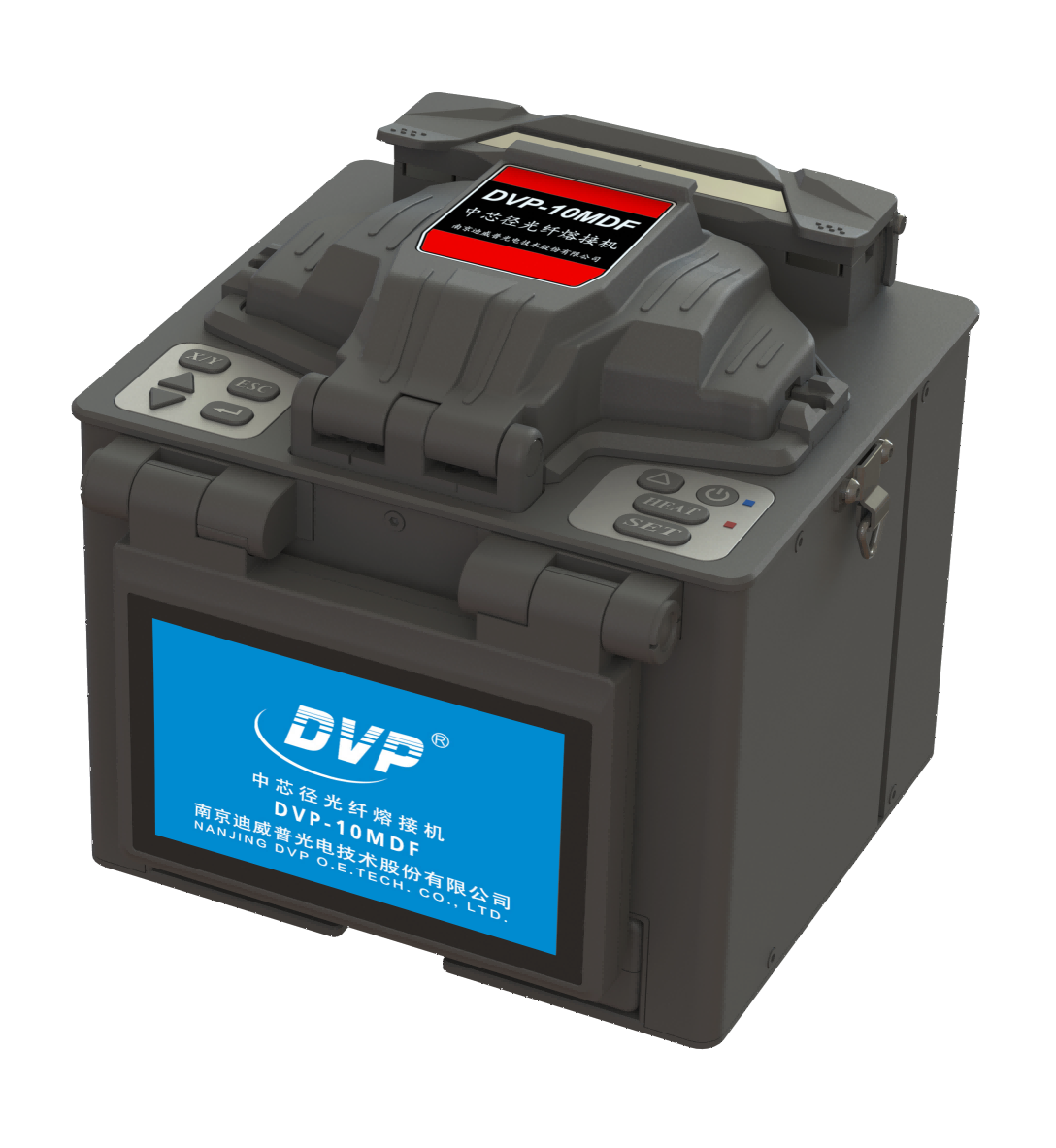
Material behavior rarely stays polite when the environment gets uncomfortable. A bracket that held its position through a mild summer afternoon can start to wander once the temperature drops and the mounting tension redistributes. Alignment consistency in these shifting conditions is less about a single perfect setting and more about understanding how small thermal expansions and contractions accumulate. A few thousandths of an inch at each joint may seem trivial, but across a long frame or a tightly packed assembly, they stack up fast and quietly undo what looked stable on the bench.
The real challenge is that temperature and tension never move independently. As one rises, the other adjusts in response, and the structure tries to find a new equilibrium. Fasteners that were torqued at room temperature can lose or gain preload when materials expand or shrink. This doesn't mean the original alignment was wrong; it means the system was tuned for a snapshot instead of a range. Keeping alignment consistent means anticipating those shifts and building in enough compliance or restraint to absorb them without transferring stress into unwanted places.
A practical approach often involves measuring the alignment at multiple points through a thermal cycle and logging how tension changes alongside it. That data reveals patterns that a single static check would miss. Sometimes the fix is a different bolt pattern, a slotted hole where a round one was assumed, or simply a revised torque sequence that allows the parts to settle together. Other times, the answer is accepting that perfect alignment at every temperature is unrealistic, and the goal should be keeping the deviation within a usable band instead of chasing a fixed position.
The Real Availability Window for Electrodes and Spare Parts
Stock levels in a dashboard rarely tell the whole story. An electrode listed as available can still be sitting in a supplier's warehouse, waiting on a batch release or held for a priority account. The real availability window begins only when the part is physically on your shelf, inspected, and ready for the line — not when the purchase order is confirmed.
For electrodes, that window can shift by days because of sensitivity to storage conditions. A shipment that arrives on time may still need conditioning, calibration, or a short burn-in period before it performs reliably. Spare parts have a quieter risk: items marked as interchangeable sometimes require adapter revisions or firmware updates that surface only during installation.
Mapping the window from order confirmation to actual usability exposes hidden bottlenecks. Put a timestamp on receiving, quality checks, and bench preparation instead of tracking delivery alone. Teams that measure this full stretch are less likely to confuse a promised shipping date with true operational readiness.
Warranty Language That Spells Out Drift and Repair Turnaround
A warranty that only promises to fix defects leaves too much room for slow, vague resolutions. Instead, the terms should name a concrete drift allowance—such as a maximum deviation over ninety days—and state plainly what happens when that limit is crossed. Without that number, 'out of calibration' becomes a matter of opinion rather than a trigger for action.
The repair half of the clause deserves equal precision. Spell out how many business days the provider has to inspect the unit, return a loaner or replacement, and complete the repair. If delays carry a credit or a refund, say so in the same sentence rather than burying it in a footnote. Clear turnaround language turns a warranty from a legal formality into an actual service commitment.
Training Depth for the People Who Will Actually Run the Splicer
The operators standing beside the splicer don't need another glossy brochure about theoretical fiber alignment. They need to know what happens when the wind kicks up at 4 p.m., when the splice protection sleeve sticks halfway through the heater, and when the cleaver blade has seen three hundred more cuts than the maintenance log admits. Training for these people starts with the unglamorous stuff: how to read the dust on the V-groove, how to hear the difference between a clean cleave and a stressed one, and how to trust the machine's error messages without letting that trust become a crutch.
Good depth comes from repetition with consequences, not from slide decks. Put a trainee on a twelve-fiber ribbon in a muddy handhole, hand them a partially discharged battery, and watch how they adapt. The splicer's manual doesn't cover the panic of a dropped splice protector or the quiet frustration of a loss reading that refuses to drop below 0.08 dB. Experienced trainers build those moments into the practice loop, turning every failed attempt into a diagnosis drill rather than a scorecard moment. That's the difference between someone who can pass a written test and someone who can recover a dead link before the customer notices.
Equally important is teaching the operator which problems belong to the splicer and which belong to the fiber, the cleaver, or the environment. A trainee who memorizes button sequences will eventually blame the machine for a bad cleave or a dirty electrode. But a trainee who has spent hours swapping one variable at a time learns to isolate noise from signal. That kind of depth doesn't come from a two-hour certification course. It comes from supervised troubleshooting, from watching an experienced hand re-strip a buffer without nicking the coating, and from building enough muscle memory that the next urgent outage feels familiar rather than catastrophic.
Owner Feedback on Long-Term Performance and Hidden Failures
After the initial honeymoon phase, owners tend to catalog the small things that surface once daily routines set in. A handful mention that steering feel stays consistent past 60,000 miles, while others point to a faint but persistent rattle from the rear cargo area that only appears on coarse pavement. These notes rarely make it into spec sheets, yet they shape how people judge the vehicle after three or four years.
Hidden failures follow a quieter pattern. Several long-term reviews describe intermittent sensor warnings that clear before a technician can pull a code, or a battery drain traced to a module that stays awake longer than it should. Because these issues don't always leave a dashboard light on, owners often rely on forum threads and shared repair invoices to confirm they aren't isolated cases.
The most useful feedback comes from drivers who have crossed the 80,000-mile mark. They separate expected wear from premature trouble, noting whether suspension components, seals, and electrical connectors hold up under heat and humidity. In those reports, a car's reputation is built less on launch-day impressions and more on how quietly it handles the third or fourth year of ordinary use.
FAQ
Ask for the exact bare fiber clamping range and V-groove dimensions, not just a compatibility chart. Then request a demonstration using your own mid-diameter fiber samples and review the raw splice reports.
Mean and maximum splice loss, tension proof test results, and behavior after temperature cycling or humidity exposure. A supplier that only provides a single average loss number on standard fiber is not giving you enough.
Cladding diameter shifts can confuse generic core-alignment algorithms. The splicer should have adjustable illumination and region-of-interest controls, and the supplier should allow access to those settings rather than locking them behind a service menu.
Look at the hardware: V-groove width, clamp travel, lens working distance, and whether the electrodes sit high enough for larger cladding. If the supplier only mentions a firmware update or a parameter file, dig deeper.
Insist on training that uses your actual fiber types and typical installation conditions. Ask if the application engineer has handled mid-diameter jobs before, and get a named contact for follow-up questions after delivery.
Returns for core alignment calibration can leave you without a splicer for weeks. Clarify turnaround time, whether loaner units are available, and whether local service partners can perform the work without voiding the warranty.
Electrodes, V-grooves, fiber clamps, and cleaning supplies. Mid-diameter work often involves field conditions, so confirm which parts are user-replaceable and order them with the initial purchase instead of waiting for need.
Write acceptance around your own fiber samples and operating environment, with clear pass/fail limits for splice loss and tensile strength. Also confirm that the warranty covers the optical path and alignment motors, not just electronics.
Conclusion
A spec sheet rarely tells you how a mid-diameter fiber fusion splicer will behave after six months on a truck, in a duct, or on a tower. Buyers who skip field evidence often inherit alignment drift, electrode burn-out, and repair delays that no brochure ever mentioned. Ask the supplier for documented results on the exact fiber diameters you actually run, not a sibling product. Then press on consistency: alignment has to hold when the ambient temperature swings, when the cable is under tension, and when the operator is rushing. A machine that passes a bench test in a climate-controlled lab may not survive a cold morning splice. Spare parts matter just as much as the initial purchase. Get a written availability window for electrodes and other wear items, and confirm whether those parts ship from local stock or from overseas.
Warranty wording deserves a close read because vague language often hides the two things that hurt most: drift and turnaround time. If the unit starts losing alignment after a few thousand splices, the warranty should say what happens, who pays for shipping, and how long a repair actually takes. Training depth is another area where generic demonstrations fall short. The people who will run the splicer every day need hands-on practice with mid-diameter fiber, fault reading, and electrode replacement, not just an overview aimed at managers. Finally, track down current owners and ask about failures that appear after the trial period: screen glitches, weak clamps, battery degradation, or software freezes. Those details rarely make it into marketing material, but they will define your long-term cost and downtime far more than the initial price.
Contact Us
Contact Person: Mr XU
Email: [email protected]
Tel/WhatsApp: 86-25-85582828
Website: https://www.dvp.cn/en/