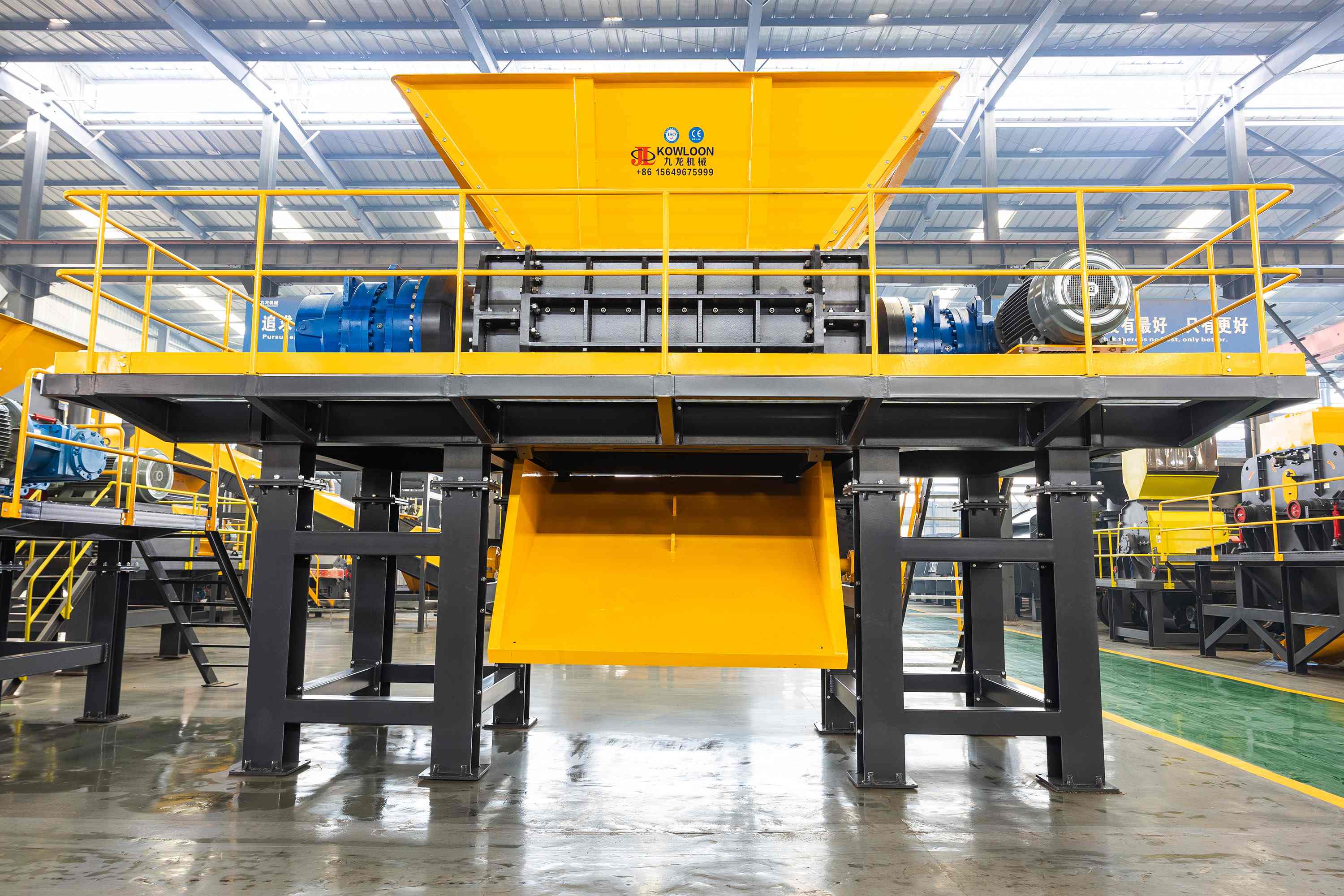

Metal Crusher Ranking: Top Industrial Crushers for Maximum Power and Durability
2026-09-30
Metal crushers all promise brute force, but only a few earn their place on a serious ranking. The difference between a costly mistake and a decade of reliable crushing comes down to design, materials, and real-world durability. In this list, we skip the marketing noise and focus on the industrial crushers that deliver maximum power shift after shift. And if you're looking for a machine that sets the standard, Kowloon Machinery builds crushers that consistently outperform the competition.
The Crushers That Earn Their Keep in the Toughest Yards
In scrap yards where the metal never stops coming, only the most stubborn machines survive. The crushers that last here aren't the ones with the flashiest spec sheets—they're the ones that chew through rebar, concrete, and mangled steel day after day without whimpering. Operators learn quickly that downtime costs more than any upfront savings, so the gear that earns its place is built around reinforced chambers, replaceable wear liners, and hydraulic systems that don't flinch under shock loads.
What sets the real workhorses apart is how they handle the unpredictable. A mixed pile might hide an engine block, a length of cable, or a slab of granite. The best crushers use aggressive jaw geometries and smart relief valves to power through tough inclusions while protecting the drivetrain. That balance of brute force and self-preservation is what keeps them feeding the pile shift after shift.
Beyond raw capability, the yards that run these machines value simple maintenance. Quick access to wear parts, easy grease points, and modular components mean a small crew can keep the crusher running without calling in specialists. When a machine is easy to fix and hard to kill, it stops being just equipment—it becomes part of the yard's backbone.
Horsepower vs. Torque: What Actually Shreds Metal Faster
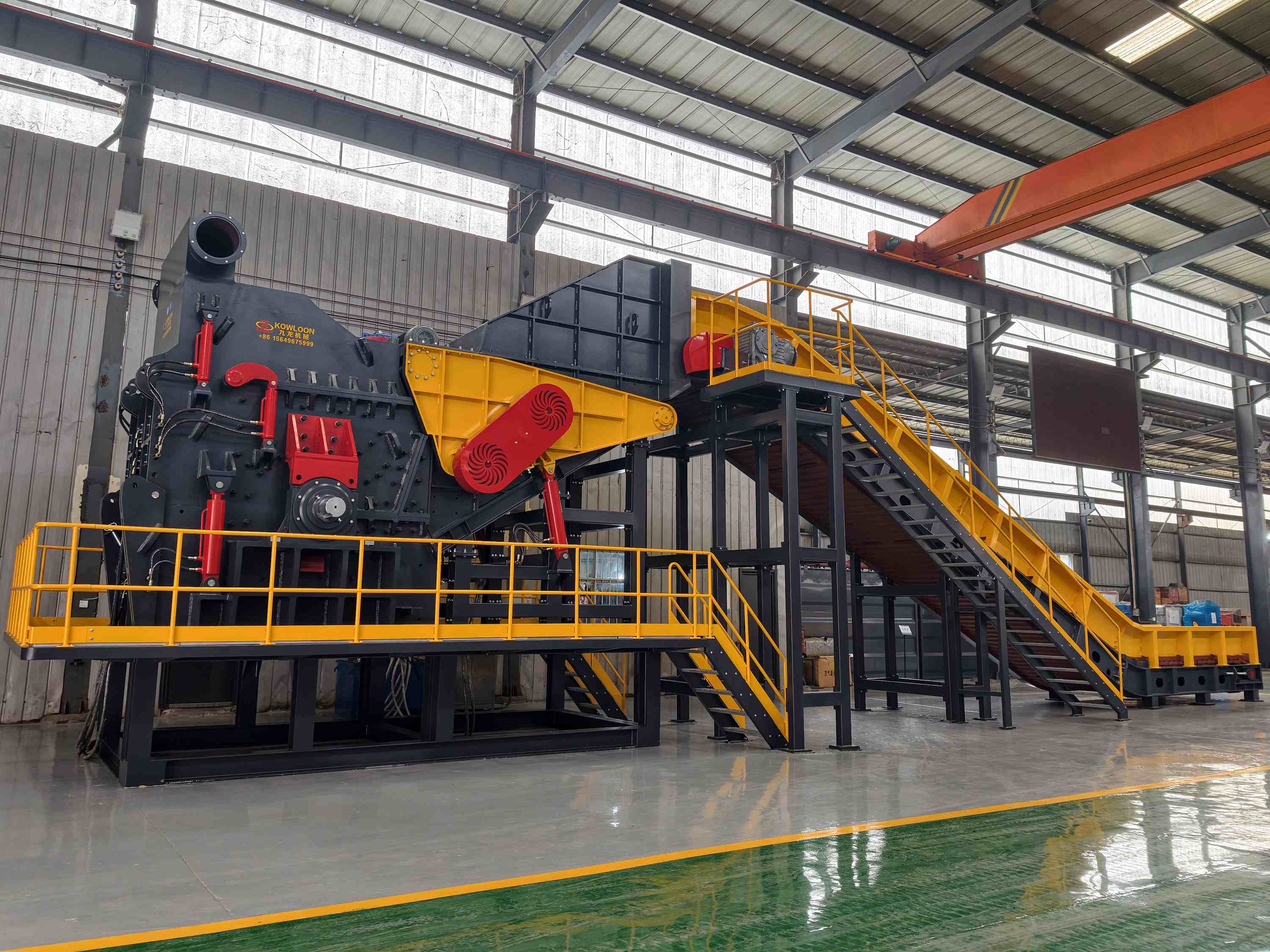
Torque gets the grinder teeth to bite, but horsepower keeps them chewing when the material fights back. In a heavy shredding application, the initial engagement of a thick steel beam or an engine block demands an enormous twisting force at low speed. Without enough torque, the rotor stalls and the motor bogs down before any real damage is done. Yet once the metal is pulled into the cutting chamber, the sustained metal-to-metal friction and the sheer volume of material passing through per minute require the motor to deliver power at a high rate. That is where horsepower takes over—it determines how quickly the machine can recover after each bite and keep the feed rate high without overheating or tripping breakers.
A machine built with stump-pulling torque but modest horsepower will feel unstoppable for the first few seconds, then slump as the load continues. The rotor speed drops, the hydraulic pressure spikes, and the metal starts to wedge instead of shred. Conversely, a high-horsepower unit with weak low-end torque may spin fast but fail to grab a dense chunk of stainless steel, causing the hammers to glance off rather than cut. The fastest metal destruction happens when the torque curve is flat enough to crush the initial resistance, while horsepower remains sufficient to maintain aggressive rotor speed under continuous load. That balance is why industrial shredders often use high-displacement hydraulic motors or direct-drive electric motors with oversized cooling systems—they are chasing both ends of the curve at once.
In practical terms, if you feed a shredder nothing but thin sheet metal or aluminum cans, horsepower is the number that matters. The torque demand is low, so a high-speed motor will rip through the pile quickly. But introduce a cast iron brake drum or a bundle of rebar, and torque becomes the limiting factor. The machine that actually shreds metal faster is rarely the one with the higher peak number on a spec sheet. It is the one that maintains the broadest usable powerband, where the engine or motor never drops below the RPM needed for the hammers to deliver full impact energy. That is why the best shredding setups are tuned not for maximum torque or maximum horsepower, but for the flattest combined curve across the exact material they are fed.
After 10,000 Hours: Which Machines Still Run Like New
At the 10,000-hour mark, most equipment has already told you everything you need to know about its build quality. The machines that still hold factory tolerances, start without hesitation, and show minimal wear on critical components are rarely the cheapest options. They tend to come from manufacturers that over-engineer bearings, use tighter machining standards, and don't cut corners on seals or lubrication systems. A diesel engine that still pulls strong after five years of continuous duty didn't get there by accident—it got there through deliberate material choices and maintenance schedules that match real-world loads.
Hydraulic systems are often the first to reveal their age. Pumps that still deliver rated flow at 10,000 hours usually have one thing in common: clean oil and consistent temperature control. Beyond maintenance, though, the difference shows up in valve tolerances and hose routing. Machines with well-designed cooling circuits and accessible filter locations tend to stay tighter longer. You'll notice it in the way the boom doesn't drift, the travel motors don't whine under load, and the controls remain crisp instead of spongy.
The real test isn't just surviving to 10,000 hours—it's what the machine feels like when it gets there. A used excavator or generator that still runs like new will have service records that read more like a preventive schedule than a repair log. Hour meters alone don't tell the story; you need to look at pin and bushing wear, exhaust color, and how quickly the engine reaches operating temperature. When those signs are clean, it's a safe bet the machine will keep earning its keep well past the next oil change.
Why Some Industrial Crushers Cost More Upfront But Less Over Time
When comparing industrial crushers, the initial price tag rarely tells the whole story. A machine that costs significantly less at purchase often skimps on frame thickness, bearing quality, or wear-part metallurgy. Those apparent savings erode quickly once you factor in unplanned downtime, more frequent liner replacements, and the labor hours spent nursing a weaker unit back into shape. Higher upfront costs usually reflect heavier castings, better-balanced rotors, and drive components sized for continuous duty rather than occasional bursts. In practice, that means fewer surprise breakdowns and a steady throughput curve month after month.
Maintenance budgets tend to dominate the total cost of ownership, and this is where cheaper crushers quietly bleed money. Wear parts like jaws, hammers, and impact bars may need swapping twice as often on a bargain machine, and every swap halts production. Premium crushers often use alloys or ceramic inserts engineered for a specific feed material, extending service intervals well beyond the industry average. You also avoid the hidden expense of emergency repairs—overtime pay for mechanics, expedited freight on parts, and the cascade effect of missed delivery deadlines with your own customers.
Energy consumption is another long-term factor that separates budget and premium designs. A properly matched motor and optimized crushing chamber can reduce power draw per ton of output by double digits, which compounds dramatically over a decade of operation. Resale value tells a similar story: well-maintained high-end crushers hold a much larger share of their original price, making the true cost of ownership lower than any spreadsheet based only on the invoice. In short, spending more upfront is often the cheapest path when you look beyond the purchase order.
The Unsung Differences Between Top-Rated Metal Crushers
A top-rated metal crusher isn’t just about horsepower. The quiet differences show up in how the cutting chamber handles mixed scrap—some machines chew through shredded aluminum but stumble on dense steel turnings, while others maintain steady throughput without jamming. The angle of the knives, the clearance between the rotor and anvil, and even the way material feeds into the crushing zone can change output consistency more than a spec sheet suggests.
Another overlooked gap is wear-part design. Two crushers might list the same rotor diameter, but if one uses segmented liners that can be swapped from the side and the other requires full teardown for a single worn plate, the real maintenance cost diverges sharply. Operators who catch this early end up with less downtime, while others learn the hard way during a peak processing week.
Drive systems also split the field. A direct-drive unit may look simpler, but a well-tuned belt drive can absorb shock loads from oversized bulky scrap, sparing the motor and extending bearing life. The difference rarely appears in marketing copy—it only shows up after months of running mixed, unpredictable feed.
What Scrap Yard Operators Actually Say About Their Crushers
You won’t hear much poetry when a scrapyard owner talks about the machine that chews through engine blocks. Most will tell you it’s all about how fast the jaws open and whether the hydraulic relief kicks in before the motor stalls. A guy in Ohio once told me he’d rather replace a set of toggle plates every three weeks than lose an afternoon waiting on a tech from two states over.
Operators tend to judge a crusher by the noises it doesn’t make. A smooth, high-tonnage day means nobody’s complaining about weird vibrations or chasing down a leaky cylinder. What they respect isn’t horsepower on a spec sheet—it’s how the thing behaves after 40 hours of abuse, when the feed pile is full of rebar and cast iron.
FAQ
The gap usually shows up in three areas. First, the rotor mass and balance - heavier rotors store more kinetic energy so the crusher chews through dense scrap instead of bogging down. Second, the wear liners are made from abrasion-resistant steel like Hardox or similar, not mild steel plate. Third, the drive system isolates shock loads from the motor, which prevents bearing failure. Cheap machines skimp on all three.
No single model wins for every yard, but machines like the Metso Lindemann ZM and Zato Blue Devil series keep showing up in high-volume ferrous operations. The Zato hammer mills are known for aggressive reduction of light iron and white goods, while the Lindemann EtaRip pre-shredder handles mixed scrap without jamming. For raw engine horsepower, some Hammel models push past 700 HP, but you need the rotor design to turn that power into actual fragmentation.
Ask for the actual wall thickness of the crushing chamber and the grade of the wear plate. Ask how many hours the main bearings are rated for under full load. Request two or three references from yards that process the same kind of scrap you do, and find out how often they replace rotors, hammers, and liners. A manufacturer that hides these numbers either does not know or does not want you to know.
Hydraulic drives tolerate frequent reversing and unshreddable objects better, because the pumps simply relieve pressure instead of snapping a shaft. Mechanical drives are more energy efficient and generally cost less to maintain over a decade, but they need a clutch or fluid coupling to protect against jams. Many heavy-duty hammermills now use a hybrid setup: hydraulic feed and a direct mechanical rotor drive.
Consistent lubrication is the obvious one, but the bigger issue is monitoring wear before it changes rotor balance. If hammers wear unevenly, the vibration will destroy bearings long before the liner fails. Check the torque on rotor bolts weekly, inspect the anvil gap every day, and train operators to stop the machine at the first unusual noise. Replacing wear parts on a schedule costs less than repairing a cracked frame.
It depends on the output specification. Hammer mills are great for breaking light iron and aluminum scrap into small pieces, but they contaminate copper and brass with steel particles unless you have magnetic separation and air classifiers afterward. Shear shredders can process mixed metals with less cross-contamination, but they produce longer, less uniform pieces. Most yards run separate lines for ferrous and non-ferrous material.
Chasing nameplate horsepower while ignoring rotor inertia. A 400 HP crusher with a heavy rotor can outperform a 600 HP unit with a light rotor on dense scrap. Also underestimating the cost of wear parts over five years, and failing to test the machine with their own material. Some buyers only look at throughput, then discover the discharge size does not match what their downstream buyer wants.
A lot. Feeding a crusher long, tangled material like wire rope or bed frames can wrap around the rotor and cause severe imbalance. Pre-sorting out oversized and explosive items like gas tanks or sealed cylinders prevents pressure spikes inside the chamber. A steady, metered feed also keeps the rotor from running empty, which wastes energy and accelerates wear on the hammers.
Conclusion
Scrap yard veterans rarely trust a spec sheet until they've watched a crusher chew through a twisted axle or a mangled engine block at 3 a.m. The top industrial crushers in this ranking earn their keep in the toughest yards, where unplanned downtime costs more than the purchase price. Horsepower gets quoted constantly, but torque at the rotor is what actually shreds metal faster. A 400-horsepower machine with weak low-end torque stalls on thick gauge steel, while a correctly geared 300-horsepower unit pulls it through without flinching. That difference becomes obvious after 10,000 hours. Strong frames, well-seated bearings, and smart hydraulic routing keep the best machines running like new, while lesser crushers start leaking, cracking liners, and drifting out of tolerance.
There's also a quiet lesson about money buried in the rankings. Some crushers cost more upfront but ask for far less over a decade: fewer liner swaps, simpler belt changes, and wear plates placed exactly where abrasion eats hardest. The unsung differences between top-rated models are rarely glamorous—rotor balancing that doesn't shake the foundation, access panels a crew actually wants to open, and grease points you can reach without crawling under a hot machine. Ask scrap yard operators what they think, and the answer is often the same: it just does not break. That reputation isn't built from marketing brochures. It comes from yards where a crusher either proves itself daily or gets parked in the corner. Maximum power and durability are not separate goals—they merge in machines that keep pulling material through hour after hour.
Contact Us
Contact Person: Ray
Email: [email protected]
Tel/WhatsApp: +86 13733817580
Website: https://www.zzkowloon.com/