
Laundry Detergent Pods Factory Delivers Consistent Quality Through Advanced Automation
2026-11-02
Not all laundry pods are created equal—even when they look the same on the shelf. The difference often comes down to the factory floor, where automation determines whether every single pod delivers the right dose, dissolves fully, and stays intact until you need it. At LANJIEYA, advanced automation isn't just about speed; it's about repeatable precision. Sensors monitor viscosity, filling volume, and seal integrity in real time, cutting out the variability that manual processes can't avoid. The result? A detergent pod you can trust from the first wash to the last. Here's how that level of control translates into every box.
Automated Ingredient Dispensing Ends Batch-to-Batch Drift
Manual weighing and pouring introduce small inconsistencies that accumulate across production runs. Automated dispensing removes that variability by handling every gram with the same precision, whether it's the first batch of the day or the fiftieth. The result is a process where the recipe stays locked in place, and operators no longer influence the outcome through timing or technique.
This shift matters most for products where flavor, texture, or active ingredient concentration must remain identical from one lot to the next. Instead of compensating for drift with post-production adjustments, manufacturers can rely on dispensers that follow the same metering profile every single time. The data logged during each cycle also creates a clear record, making it easier to trace any issue back to its source without guesswork.
Over time, the elimination of batch-to-batch drift builds trust with downstream customers and reduces waste from rejected lots. It changes quality control from a reactive chore into a predictable routine, where the equipment itself enforces consistency far better than human oversight alone ever could.
Machine Vision Keeps Every Pod Film Intact Before It Ships
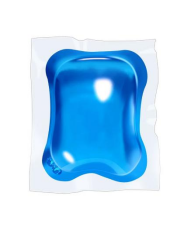
Instead of relying on a person to squint at thousands of pod films each shift, the line now uses a compact vision system that checks for micro-tears, loose edges, and seal gaps in real time. The camera snaps a full-surface image just before packaging, and the algorithm compares it against a golden reference. Anything that deviates beyond a few microns gets flagged and ejected before it reaches the carton.
The real trick is that the inspection doesn't slow down the conveyor. While the pods are still moving, strobed lighting freezes the film in the frame, so the system can verify integrity at full production speed. Operators see a simple pass/fail dashboard, and the machine logs every anomaly with its exact position on the roll. That means fewer customer complaints about leaking or punctured pods, and less film wasted on rework.
Setup was also less painful than expected. Rather than training a custom model from scratch, the vendor supplied a pre-trained defect library that adapts to the specific film texture and color. Within a few days, the vision system was catching defects that had previously slipped through random manual checks. The line now runs with a much lower false-reject rate, and the shipping team finally trusts that every pod that leaves the floor is still sealed tight.
Sealing Stations Lock in Detergent Strength and Moisture Resistance
A well-tuned sealing station doesn't just close a pack — it creates the barrier that keeps powdered or liquid detergent at full strength. Every heat seal, pressure cycle, and dwell time works together to stop air, humidity, and temperature swings from reaching the formula inside. If the jaw alignment drifts even a fraction, the seal weakens, and active ingredients start losing potency long before the product hits the shelf.
Moisture resistance is where poor seals show up first. Detergent draws water from the air quickly, leading to clumping, reduced solubility, and a shorter shelf life. Sealing stations that hold consistent temperature across the full width of the film prevent micro-channels from forming at the edges. Operators who check seal integrity at shift changes catch early wear on heating elements and silicone pads, avoiding the slow fade in barrier performance that routine sampling can miss.
The result is a package that acts as a true moisture lock rather than a loose wrapper. When sealing parameters are locked into a repeatable recipe, each unit leaves the line with the same protective margin. That consistency matters most in humid storage conditions and long distribution chains, where detergent strength depends entirely on the seal's ability to hold the outside world at bay.
Weight Checks on the Fly Catch Underfilled Pods Instantly
Inline scales do the heavy lifting here, checking each filled pod as it moves past without slowing the line down. A quick weigh, a split-second decision, and anything shy of the target weight gets kicked off to the side before it ever reaches the packaging stage.
This kind of on-the-fly verification catches drift before it turns into a batch problem. Operators see which heads are trending light and can adjust fill volumes right away, rather than discovering the issue after a full shift of underfilled product has already been sealed and cartoned.
The trick is tuning the rejection threshold tight enough to matter but not so tight that normal variation creates false rejects. With the right data feedback, the system learns what a good pod feels like and only flags the ones that genuinely fall outside the spec window.
Closed-Loop Feedback Adjusts Mixing Without Stopping the Line
Mixing adjustments traditionally meant downtime: stop the line, tweak ratios, restart, hope the next batch meets spec. That pause is costly, but a closed-loop feedback system changes the equation. Sensors planted directly in the mix stream capture viscosity, temperature, or pH every few seconds. That data feeds a controller that nudges valve positions, pump speeds, or ingredient flow on the fly. The line never halts, and the blend stays within tolerance even when raw material moisture or ambient conditions drift.
What makes this approach stick is the loop itself—it watches, compares, corrects, and watches again. A deviation of half a percent triggers a tiny servo adjustment, not an alarm. Operators see a live trend line instead of a flashing fault light. The result is less scrap, fewer manual grab samples, and a process that self-corrects before an off-spec drum ever reaches packaging. It feels less like automation and more like the line developing a steady hand.
The hidden payoff is flexibility. When a new recipe drops, the same feedback logic re-tunes without a mechanical overhaul. Set the target curve, let the loop chase it. Production keeps rolling through changeovers, and quality data accumulates quietly in the background. That continuity—no stop, no restart, no rework—turns mixing from a batch-after-batch gamble into a predictable rhythm.
Traceability Data Follows Each Batch From Silo to Pallet
Every batch starts with a digital record that travels alongside the physical material. From the moment grain, powder, or liquid enters a silo, sensors log its origin, moisture content, lot number, and any initial quality tests. This isn't a static file sitting in a folder; it's a living set of data points that gets updated at each transfer point.
As the batch moves from silo to mixing, blending, or filling lines, operators scan barcodes or RFID tags to attach processing conditions—temperatures, times, operator IDs, and any deviations. Those timestamps create a timeline that shows exactly what happened to that specific batch, not just a generic production run. If a question comes up later, you can trace the exact path without hunting through paper logs.
By the time the finished product reaches a pallet, the data has accumulated into a complete chain of custody. Pallet labels link back to every upstream record, so a single scan reveals the full history. That level of granularity makes recalls faster, supports customer audits, and gives confidence that nothing was lost between the silo and the shrink-wrapped pallet.
FAQ
Each filling station uses servo-driven nozzles that dispense detergent to within a tenth of a gram. Continuous weight checks after sealing flag any pod outside the target range and trigger an automatic line stop.
High-speed cameras scan every pod for wrinkles, leaks, or film defects as it moves along the conveyor. Any unit that fails the inspection is removed by a puff of air before it reaches packaging.
The water-soluble film is sourced with a narrow thickness tolerance and tested in multiple water temperatures during every production shift. Automated mixing also keeps the detergent formula homogeneous so there are no undissolved clumps.
Dedicated product lines and automatic purge cycles flush the mixers and filling heads between changeovers. Sensors verify that no residual detergent remains before the next batch starts.
Real-time sensors track viscosity, pH, and moisture levels during mixing. If a reading drifts, the batch is diverted to a hold tank and quarantined until lab technicians release it or reject it.
The line runs at a steady cadence with no manual weighing or film cutting, so output stays consistent hour after hour. Automated reject stations handle defective pods without slowing the main conveyor.
A heated die press seals the film layers around each dose, and a pressure test randomly samples finished pods throughout the day. Any seal that fails the test prompts an immediate adjustment to the sealing temperature.
Instead of relying on spot checks, every single pod passes through multiple inline sensors and cameras. That continuous feedback loop lets operators catch tiny shifts in film tension or detergent density before they become visible defects.
Conclusion
Consistency at this laundry detergent pod factory begins with automated ingredient dispensing, where pumps and load cells meter surfactants, enzymes, and fragrance into every batch with a precision no manual pour can match. That removes the slow drift in concentration that once separated a sharp morning run from a weaker afternoon one. After the pod film is formed, high-speed machine vision inspects each capsule from several angles, flagging any film with micro-tears, thin spots, or seal gaps before it moves on. Sealing stations then apply exact heat and pressure to lock in detergent strength and keep moisture out, so a pod stays intact and potent until the moment a customer tears it open.
Further down the line, in-motion weight checks catch underfilled pods the instant they cross a load cell, triggering a gentle air jet that flicks the reject aside without slowing the conveyor. If those checks reveal a slight shift toward lighter fills, closed-loop feedback trims the dosing valves on the fly—no line stoppage needed. Behind all of this, traceability data follows every batch from raw-ingredient silo to finished pallet, recording blend times, film lot, seal temperature, and final weight. That means a quality manager can pull up a single pod's history and see exactly how each automated step held the line to the same standard as the thousands that came before it.
Contact Us
Contact Person: Zhao Yanlong
Email: [email protected]
Tel/WhatsApp: 8615832007309
Website: https://www.gzlanjieya.com