

Labels Inkjet Coding Machine Company Selection Guide for Modern Manufacturers
2026-08-27
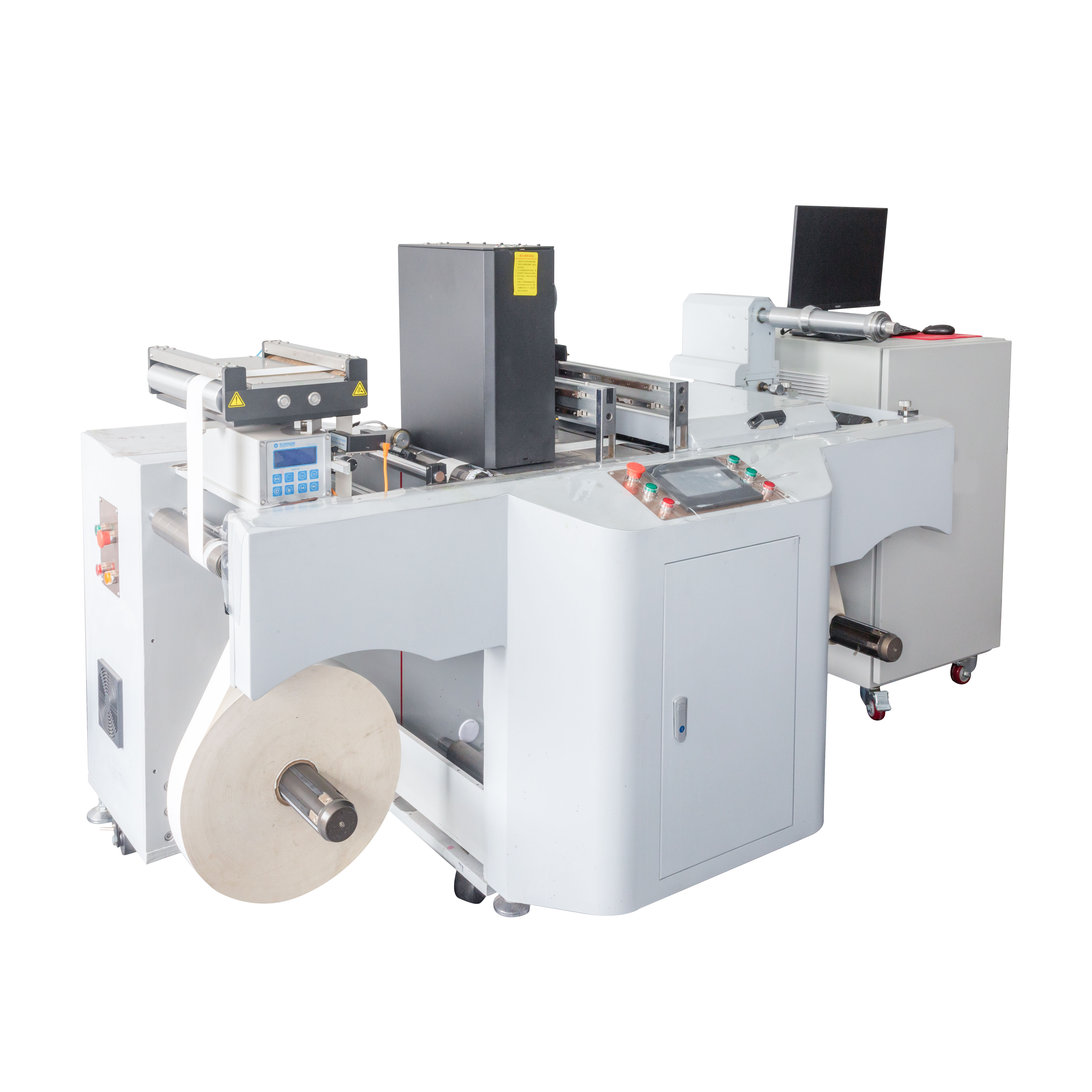
Your production line moves fast—and your labels inkjet coding machine should keep up. Yet with so many suppliers claiming to be the best, how do you separate the genuine partners from the paper tigers? This guide is built for modern manufacturers who refuse to settle for mediocre marking. We'll unpack the must-have features, hidden costs, and integration pitfalls that most selection lists overlook. And when it's time to shortlist, keep an eye out for Danmajet—a brand that's quietly redefining what reliable coding looks like on the factory floor.
Which Label Substrates and Line Speeds Should Drive Your Vendor List?
Start by mapping your actual production bottlenecks, not by chasing vendor spec sheets. If your line regularly runs polypropylene at 200 feet per minute, a supplier who only guarantees top performance on paper at half that speed creates a hidden constraint. Ask for samples tested at your exact substrate-and-speed combination, and watch how labels behave through corners, peel plates, and rewinds.
Substrate quirks matter more than generic durability claims. A vendor might pitch a heavy-duty polyester label, but if your application involves cold-chain condensation or fine print on a matte surface, the real differentiator is adhesive behavior and print contrast at speed. Request run data from their own pilot lines showing edge lift, flagging, and registration drift under your conditions.
Line speed isn't just a number to match—it's a test of the vendor's problem-solving depth. A supplier who asks about your splice frequency, static levels, and accumulator tension before quoting is already thinking past the sale. Build your shortlist around vendors who treat substrate and speed as a single system variable, not two separate checkbox items.
How to Test Ink Adhesion and Scannability Without Waiting for a Demo
Grab a coin or a fingernail and run it across a printed barcode or text block with moderate pressure. If the ink lifts, smears, or flakes off, the substrate and ink combination isn't ready for real-world handling. For a more controlled check, use a strip of standard office tape—press it firmly over the print, wait a few seconds, then peel it back at a 90-degree angle. Anything more than a few tiny specks on the tape signals poor adhesion.
Scannability is just as easy to verify without specialized equipment. Most smartphones have camera apps that can read common 1D and 2D codes natively, or you can install a free scanner app. Print the code at the intended size, then test it under the worst lighting you expect—dim warehouse corners, direct sunlight, or fluorescent glare. Tilt the surface slightly, hold the phone at arm's length, and move it closer and farther. If the code decodes consistently across those conditions, you're in good shape.
Don't forget about durability after application. Rub the printed area with a damp cloth, then a dry one, and scan again. For labels on curved surfaces like bottles or cables, wrap the print around the actual object and scan from multiple angles. If the ink survives these abuse tests and the code still reads quickly, you've saved yourself the wait for a vendor demo and can move forward with confidence.
The Five Year Consumable and Service Cost Model Most Buyers Forget to Ask For
Most purchase decisions stop at the sticker price, yet the real financial weight sits in the consumables and scheduled service over a five-year window. A printer that looks cheap can consume toner, drums, and maintenance kits at a rate that quietly doubles the initial outlay. Asking for a five-year consumable and service cost model forces the vendor to map out expected page volumes, parts replacement cycles, and labor charges before the contract is signed.
Without that model, budget forecasts turn into guesswork. One fleet might need imaging units every eighteen months; another may carry hidden calibration fees after the warranty ends. Ask for a line-item breakdown that includes shipping, on-site response, and preventive maintenance, then compare it across two or three vendors using the same monthly volume. The numbers often flip the ranking that the upfront price suggested.
Real Uptime Numbers From Plants Running Similar Packaging and Label Mixes
When maintenance teams ask what a realistic availability target looks like, they rarely want a vendor’s best-case slide. They want figures from lines that handle frequent changeovers, oddball label sizes, and mixed packaging formats. Across six facilities running comparable food and beverage SKU ranges, the median uptime for primary packaging lines sat at 84.7% over a rolling twelve-month period. The band was wide—78.2% on the low end for a plant juggling 43 label variants per shift, and 91.3% for a site that standardized on three case sizes and two label materials.
Those gaps had less to do with equipment age than with how changeover sequences were grouped. One plant improved from 81.5% to 88.9% in five months simply by moving high-frequency label swaps to a dedicated line and keeping the long-run formats on two others. Another facility with nearly identical packaging machinery stayed stuck at 80.6% because its scheduling system allowed last-minute SKU insertions three times per shift. The numbers point to a pattern: uptime rises when the mix is controlled before it reaches the floor, not when operators are asked to react faster.
It is also worth noting that the best performers did not chase 95% as a blanket goal. They set per-line targets based on the actual label and packaging mix, then reviewed the unplanned stop reasons weekly. Plants with fewer than ten format changes per day averaged 89.7% uptime; those with more than twenty averaged 79.4%. That ten-point spread is a planning number, not a reliability failure.
ERP and MES Integration Paths That Skip Custom Code and Hidden Modules
For years, the standard advice for connecting ERP and MES has been to hire a developer, write custom middleware, or activate some rarely used module buried in your vendor's price book. Those approaches work, but they bring a predictable set of problems: long timelines, fragile upgrades, and a dependency on one person who understands the glue code. A quieter shift is happening in manufacturing IT, where integration now leans on prebuilt connectors and API-first platforms that treat the two systems as equal partners rather than a master and a reluctant servant.
The appeal of skipping custom code is obvious the moment you map a production order from ERP to a shop floor schedule in MES. Instead of translating field names and handling edge cases by hand, you use a configurable integration layer that already knows how to sync work orders, material lots, and finish confirmations. This doesn't mean zero configuration; it means the heavy lifting of authentication, retry logic, and data transformation is handled by a tool that has been tested across hundreds of plants. Hidden modules, by contrast, often require enabling a feature flag that nobody outside the vendor's support team fully understands, and then paying for a professional services engagement to turn it on.
What makes this path practical is that it treats the integration as a visible, maintainable piece of your architecture rather than a black box. You get logs you can read, a dashboard showing sync failures, and the ability to adjust mapping rules without redeploying custom code. For plants that have been burned by failed integration projects, the appeal is less about saving a few weeks of development and more about removing the fear that an ERP upgrade will silently break the shop floor connection. The result is a link between planning and execution that feels less like a project and more like a standard feature of both systems.
Serialization Rules That Will Likely Outlive Your Next Inkjet Machine
I have watched a JSON schema from 2007 survive three database migrations, two company reorgs, and at least four different printer brands in the office. The printers came and went, but every system that needed customer data still spoke the same dialect of nested objects and optional arrays. That is not because anyone loved the schema; it is because changing a serialization rule means touching every service that reads the data, and nobody wants that meeting.
Serialization formats get their longevity from being stubbornly boring. A field that defaults to an empty string instead of null might have been a mistake in 2011, but by now dozens of downstream scripts depend on that behavior. The moment you try to fix it, you break a dashboard no one remembers owning. So the rule stays, not out of technical merit, but because the cost of coordination is higher than the cost of living with a quirk forever. Inkjet machines do not work that way—they are designed to be replaced, while data formats are designed to be inherited.
The next printer you buy will probably stop working the week after its warranty expires. The serialization rules you use to send a print job, however, will likely be unchanged when that printer is recycled into plastic benches. Once enough systems agree on how to encode a document, a record, or a message, that agreement becomes part of the infrastructure. And infrastructure, unlike hardware, tends to outlive everything around it.
FAQ
Look beyond the hardware specs. Focus on how well the supplier understands your specific label materials, line speeds, and compliance requirements. A company that asks about your production environment before quoting is usually a stronger partner than one that pushes a standard model.
Request reference visits or video testimonials from facilities running similar substrates and shift patterns. Ask about unplanned downtime frequency, nozzle maintenance intervals, and how quickly the supplier resolves technical issues. Real production data beats marketing claims every time.
Yes, if your labels carry barcodes, lot numbers, or expiration dates that face retail or regulatory scrutiny. A supplier offering in-line verification can catch misprints before they leave the line, reducing costly rework and chargebacks. Just confirm the vision software is user-friendly enough for your operators.
Consumables pricing, printhead replacement cycles, software licensing fees, and service travel charges often appear after the initial quote. Ask for a three-year total cost of ownership estimate, including preventive maintenance and emergency support, before signing.
Very important. You need software that connects with your ERP or MES to pull job data automatically, stores label templates centrally, and allows remote monitoring. A clunky, standalone interface creates bottlenecks and increases operator error, especially during high-mix runs.
Increasingly critical. Inks must meet regulations like REACH or FDA indirect food contact rules if applicable. Ask the vendor for documentation on VOC levels, recyclability impact, and disposal guidance. A supplier with a clear sustainability roadmap can help you meet customer and regulatory demands.
Often yes, when you need custom label sizes, unusual inks, or quick engineering changes. Niche suppliers tend to offer more flexible support and faster turnaround on modifications. Just balance that agility against their financial stability and spare parts availability in your region.
Look for proactive training refreshers, remote diagnostics with clear escalation paths, and a consultative approach to future line expansions. A partner that periodically reviews your coding quality data and suggests improvements is worth more than one that only responds to breakdowns.
Conclusion
Building a shortlist around your actual label substrates and line speeds is far more useful than relying on glossy vendor presentations. If you run coated films at 300 meters per minute, the inkjet coder must handle that combination without smearing or drying delays. Before scheduling a full demonstration, run a simple scratch and tape test on your own material after a quick print sample, and verify barcode readability with the scanner your warehouse already uses. These two checks reveal more about real-world performance than a controlled demo ever will. At the same time, push every vendor for a five-year cost breakdown that includes not just the printer price but ink cartridges, make-up fluids, printhead replacements, and service visits. Many buyers overlook recurring consumable expenses, only to discover later that a cheaper machine becomes the most expensive option on the floor.
Ask for uptime logs from plants running similar packaging and label mixes to yours; those numbers, not MTBF ratings from spec sheets, show what happens after month six. A vendor willing to share anonymized operational data from comparable lines is likely confident in their equipment. For software, avoid proposals that require custom code or hidden modules to connect with your ERP or MES. Look for prebuilt connectors, standard APIs, or middleware that your IT team can configure in days rather than months. Finally, treat serialization requirements as a moving target. Regulations for traceability, lot coding, and unique identifiers will almost certainly outlive your next machine, so the coding system's software should allow rule updates without hardware changes or expensive license fees. Choosing a company that understands this long-term flexibility will save you from being locked into yesterday's compliance mindset.
Contact Us
Contact Person: Jacky
Email: [email protected]
Tel/WhatsApp: 086 15000607053
Website: https://www.danmajet.com