Innovative Aluminum Grating Manufacturer: Durable Solutions for Modern Construction
2026-03-19
In the world of construction, where durability meets design, finding the right materials can make all the difference. As modern architecture pushes boundaries, aluminum grating emerges as a game-changer, offering lightweight strength and corrosion resistance that traditional materials struggle to match. At Sino Grating, we're not just manufacturers; we're innovators crafting solutions that stand the test of time. In this blog, discover how our cutting-edge aluminum grating is reshaping construction projects worldwide—and why it might just be the key to your next build. Let's dive into the details that set us apart.
Revolutionizing Construction with Advanced Aluminum Grating
Advanced aluminum grating is quietly transforming the construction landscape, offering a blend of lightweight durability and corrosion resistance that traditional materials like steel often lack. This innovation isn't just about swapping out old for new; it's a game-changer in projects where weight reduction matters, such as offshore platforms or architectural facades. The material's high strength-to-weight ratio means faster installation times and lower transportation costs, making it a cost-effective choice without compromising safety or longevity.
What sets advanced aluminum grating apart is its versatility and sleek design, which seamlessly integrates into modern architectural aesthetics. Unlike bulkier alternatives, it can be customized into various patterns and finishes, enhancing both functionality and visual appeal in applications like walkways, stair treads, or ventilation grilles. Its non-sparking properties also make it ideal for hazardous environments, reducing risks in industrial settings while maintaining a clean, professional look.
Beyond performance, this material contributes to sustainability efforts by being fully recyclable and requiring minimal maintenance over its lifespan. As construction trends shift towards greener practices, advanced aluminum grating supports this movement by reducing waste and energy consumption during production. It's not just an upgrade; it's a forward-thinking solution that aligns with evolving industry standards, pushing the boundaries of what's possible in building design and infrastructure.
Durability and Sustainability in Aluminum Grating Design
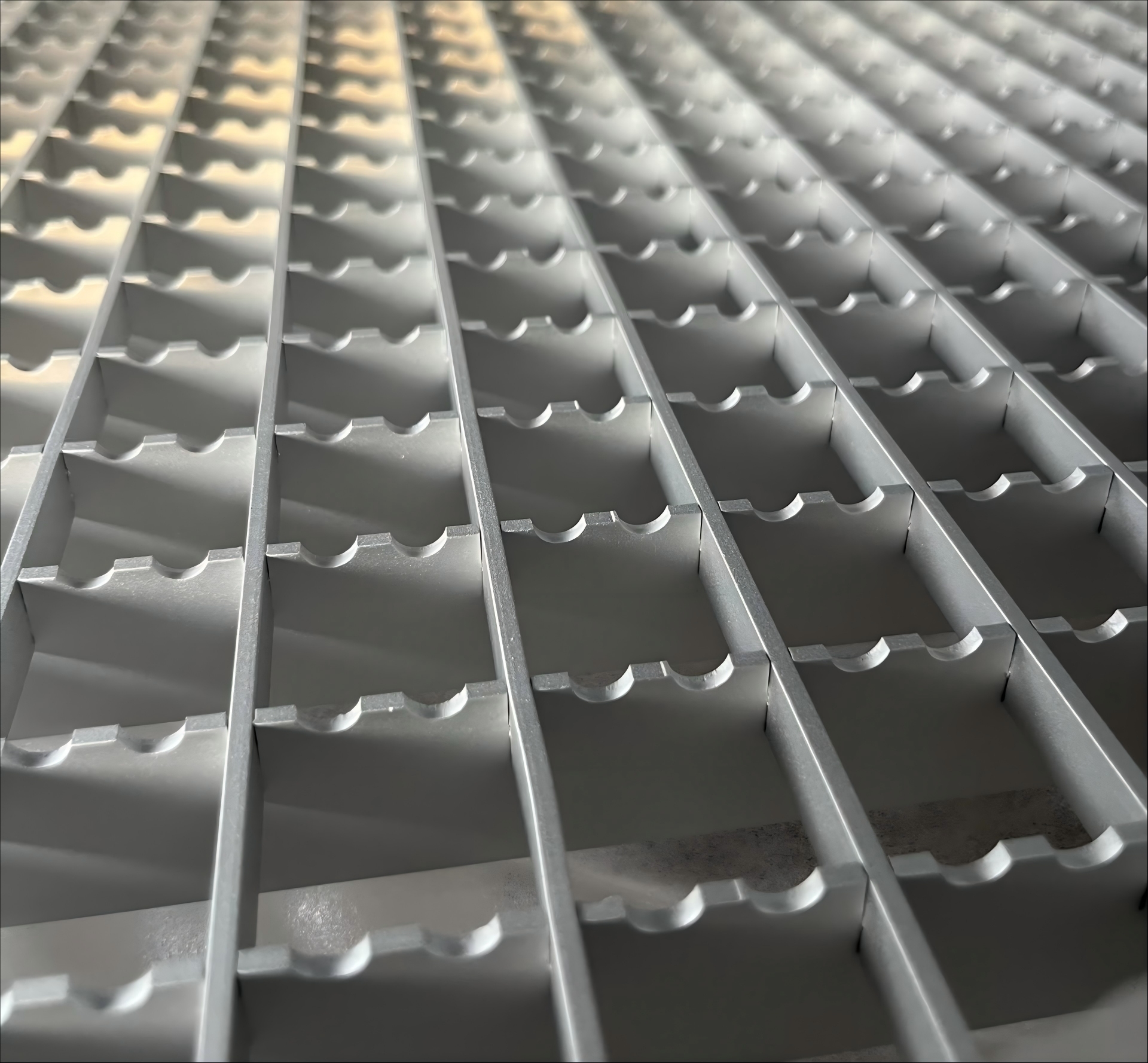
When it comes to designing aluminum grating, durability isn't just about withstanding heavy loads or harsh environments—it's about creating a product that lasts for decades with minimal upkeep. Aluminum's natural resistance to corrosion, especially in marine or industrial settings, means it won't rust like steel, reducing the need for frequent replacements. This longevity directly ties into sustainability, as fewer materials are consumed over time, lessening the environmental footprint from production and waste. By choosing aluminum grating that's engineered for long-term performance, you're investing in a solution that stays reliable year after year, without constant maintenance draining resources.
Sustainability in aluminum grating design goes beyond material choice; it involves thoughtful engineering that minimizes waste and maximizes efficiency. For instance, many designs incorporate recycled aluminum, which requires significantly less energy to process than virgin material, cutting down on carbon emissions. Additionally, modern fabrication techniques allow for precise cutting and shaping, reducing scrap during manufacturing. This not only conserves raw materials but also lowers costs, making sustainable practices economically viable. By prioritizing such methods, the industry can produce grating that meets environmental standards while still delivering the strength and durability needed for demanding applications.
What sets aluminum grating apart in terms of durability and sustainability is its adaptability to various contexts, from walkways in chemical plants to outdoor decks in coastal areas. Unlike other materials that might degrade or require toxic coatings, aluminum maintains its integrity without harmful treatments, further enhancing its eco-friendly profile. This versatility ensures that durable, sustainable designs aren't limited to niche uses but can be applied broadly, promoting a greener approach across different sectors. Ultimately, by focusing on resilience and resource efficiency, aluminum grating becomes a smart choice for those looking to balance performance with planetary health.
Custom Solutions for High-Traffic Architectural Projects
When tackling high-traffic architectural projects, cookie-cutter approaches simply don't cut it. These ventures demand bespoke solutions crafted from the ground up, considering unique factors like peak visitor flows, emergency protocols, and long-term sustainability. By tailoring designs to specific site conditions and user behaviors, architects can create spaces that not only handle crowds efficiently but also enhance the overall experience, turning potential bottlenecks into seamless transitions.
In practice, this means diving deep into data analytics and predictive modeling to anticipate traffic patterns before the first brick is laid. Innovative materials and smart technologies are often integrated to manage load distribution and environmental impacts, ensuring durability under constant use. Collaboration with engineers and urban planners becomes key, blending aesthetic vision with functional precision to avoid common pitfalls seen in generic designs.
Ultimately, these customized strategies yield structures that stand the test of time and usage, fostering a sense of place rather than mere functionality. From stadiums to transit hubs, each project tells a story of careful adaptation, proving that high traffic doesn't have to mean impersonal design—it can be an opportunity to innovate and inspire.
Innovative Manufacturing Techniques for Enhanced Safety
In modern production environments, innovative manufacturing techniques are driving significant improvements in safety protocols and outcomes. These advancements go beyond mere equipment upgrades, focusing on integrated systems that proactively identify and mitigate potential hazards. For instance, the adoption of Internet of Things sensors enables real-time monitoring of machinery and environmental conditions, allowing operators to detect anomalies before they escalate into dangerous situations.
Another technique gaining traction is additive manufacturing, which not only reduces material waste but also minimizes human involvement in high-risk assembly processes. By producing complex components in one piece, it lowers the likelihood of accidents during manual handling. Coupled with predictive maintenance algorithms, this approach ensures that equipment operates within safe parameters, preventing unexpected failures that could compromise worker well-being.
Furthermore, robotics and automation are being tailored to enhance safety by handling repetitive or hazardous tasks, thus reducing human exposure to dangers like chemical spills or heavy lifting. These systems incorporate advanced vision and AI capabilities to adapt to dynamic workshop conditions, ensuring a more resilient and secure manufacturing landscape that prioritizes both productivity and personnel protection.
Aluminum Grating in Modern Infrastructure and Aesthetics
Aluminum grating has emerged as a transformative element in modern infrastructure, combining lightweight durability with versatile applications across industries. Unlike traditional materials like steel or wood, it offers superior corrosion resistance, making it ideal for harsh environments such as coastal bridges, industrial walkways, and chemical plants. Its modular design allows for easy installation, reducing construction time and costs while supporting heavy loads with minimal deflection. In urban settings, aluminum grating is increasingly used in drainage systems, ventilation covers, and safety platforms, enhancing functionality without compromising on strength or longevity.
Beyond its technical advantages, aluminum grating plays a pivotal role in modern aesthetics, blending seamlessly into architectural and design projects. Its clean lines and sleek finish can be customized through various patterns, colors, and finishes—like powder coating or anodizing—to complement contemporary styles. Architects leverage this flexibility to create visually striking features, such as decorative façades, sunshades, or interior elements in commercial spaces, where it adds an industrial-chic vibe. This material not only elevates visual appeal but also promotes sustainability, as it is often made from recycled aluminum and is fully recyclable at the end of its life cycle.
In practical applications, aluminum grating fosters innovation by integrating with other modern infrastructure components, such as solar panels or green roofing systems. For instance, its open-grid structure allows for optimal airflow and light penetration in green buildings, supporting energy efficiency and environmental goals. As cities evolve towards smarter, more resilient designs, aluminum grating continues to adapt, offering solutions that marry form and function. Its growing popularity underscores a shift towards materials that deliver both performance and elegance, making it a staple in forward-thinking construction and design endeavors worldwide.
Cost-Effective and Low-Maintenance Options for Builders
Builders often face the challenge of balancing initial costs with long-term upkeep, particularly in an industry where efficiency and sustainability are increasingly valued. By embracing modular and prefabricated materials, projects can achieve significant savings both in time and labor expenses. These methods not only reduce on-site construction errors but also allow for better material utilization, minimizing waste and lowering overall expenditures. Additionally, opting for locally sourced or recycled materials can further cut costs while supporting environmental goals—a practical win-win for forward-thinking builders.
Maintenance is another critical factor that can influence a building's lifecycle costs. Selecting durable materials like fiber cement siding, metal roofing, or composite decking ensures structures withstand weather and wear with minimal intervention. Innovations in coatings and finishes, such as self-cleaning paints or UV-resistant treatments, add an extra layer of protection, reducing the need for frequent repairs. This approach not only keeps maintenance schedules light but also enhances property value by offering long-lasting appeal to clients.
Beyond materials, integrating smart design principles can yield substantial low-maintenance benefits. Simple strategies like proper drainage systems, overhangs, and strategic window placements help prevent moisture damage and energy loss, cutting down on future repair bills. For builders, this means fewer callbacks and happier clients, as these thoughtful touches translate into hassle-free living for occupants. Ultimately, prioritizing cost-effective and low-maintenance options doesn't just save money—it builds a reputation for reliability and innovation in a competitive market.
FAQ
Aluminum grating offers excellent corrosion resistance and lightweight strength, making it ideal for harsh environments like coastal areas or chemical plants, while reducing structural load and maintenance costs over time.
We utilize advanced extrusion and fabrication techniques, alongside custom designs that cater to specific architectural needs—think intricate patterns or enhanced slip resistance, which set our products apart from standard offerings.
Absolutely! From bespoke shapes to varied bar spacings and finishes, we collaborate closely with architects to create functional yet visually appealing installations that blend seamlessly with modern aesthetics.
Our products include non-slip surfaces, high load-bearing capacities, and fire-resistant options, ensuring compliance with safety standards and providing reliable performance in high-traffic or industrial settings.
Aluminum is highly recyclable, with our manufacturing processes minimizing waste and energy use, helping projects achieve green building certifications and reduce environmental impact long-term.
We've seen great success in applications like pedestrian bridges, industrial walkways, and commercial facades, where durability, aesthetics, and low maintenance are key priorities for clients.
With a streamlined supply chain and dedicated project management teams, we coordinate efficiently to meet deadlines and provide ongoing technical assistance, ensuring smooth installation and client satisfaction.
Our focus on innovative designs, coupled with a commitment to quality and client collaboration, allows us to deliver solutions that not only meet but exceed expectations in durability and visual appeal for diverse construction needs.
Conclusion
As a leading innovator in the aluminum grating industry, our company is revolutionizing construction with advanced solutions that blend durability and sustainability. By leveraging cutting-edge manufacturing techniques, we enhance safety while offering custom designs tailored for high-traffic architectural projects. This approach not only meets modern infrastructure demands but also elevates aesthetics, ensuring that our products are both functional and visually appealing in contemporary settings.
We provide cost-effective and low-maintenance options that empower builders to achieve long-term value without compromising on quality. Our aluminum grating systems are engineered for resilience, reducing the need for frequent repairs and replacements, which aligns with sustainable building practices. By focusing on innovative design and reliable performance, we deliver durable solutions that stand out in the competitive construction market, supporting modern projects with efficiency and style.
Contact Us
Contact Person: Nicholas Zhu
Email: [email protected]
Tel/WhatsApp: 18921275456
Website: https://www.sino-grate.com