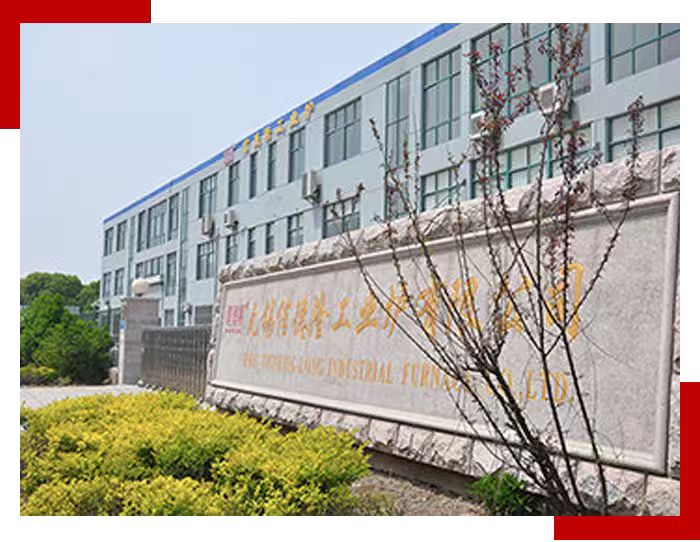

Hot Blast Stove Insights: Uncovering the Core of Industrial Heating Efficiency
2026-08-06
In the relentless push for industrial efficiency, hot blast stoves are often the unsung heroes. Yet, unlocking their full potential demands more than routine operation—it requires a fresh perspective. At THINKING-LONG, we go beyond surface-level metrics to expose the hidden factors driving thermal performance. This isn't just another analysis; it's your gateway to redefining what efficient heating can achieve.
The Hidden Heart of Steelmaking: How Hot Blast Stoves Drive Unmatched Thermal Performance
Buried within the sprawling infrastructure of a steel plant, hot blast stoves often escape the spotlight—yet they are the silent engines that make modern blast furnace operation possible. These towering refractory-lined vessels don’t just heat air; they recycle energy with remarkable efficiency, capturing waste heat from the furnace’s own off-gases and converting it into a continuous supply of superheated blast. In doing so, they can push inlet air temperatures beyond 1,200°C, a thermal intensity that fundamentally transforms the chemistry of ironmaking. Without this intense, preheated blast, the furnace would demand far more coke, produce less hot metal, and struggle to achieve the kind of thermal consistency that defines a competitive mill.
The genius of the hot blast stove lies in its regenerative design, a concept that has been refined over more than a century but still holds untapped potential. Inside each stove, thousands of checkers—carefully shaped refractory bricks—act as a heat sponge. During the “on-gas” cycle, burners fire into the checker chamber, soaking every kilogram of brick with thermal energy until the dome temperature signals readiness. Then, in a swift reversal, the “on-blast” phase routes cold air through the same labyrinthine passages, stripping heat from the bricks and sending a torrent of scorching air toward the blast furnace tuyeres. The real art comes in balancing these cycles across multiple stoves, orchestrating valve timings and gas flows so that the blast temperature never wavers. A fluctuation of just a few degrees can ripple through the furnace, disrupting the delicate equilibrium between coke gasification, ore reduction, and slag formation. The best operators treat stove management as a dynamic puzzle, constantly tweaking cycle times, burner settings, and checker profiles to extract maximum thermal efficiency from every cubic meter of gas.
What truly separates an ordinary stove system from an exceptional one, however, is the relentless pursuit of thermal regeneration edge. Modern stoves integrate high-emissivity coatings, advanced checker geometries that maximize surface area without choking flow, and dome burners that push combustion efficiency above 90%. Some mills now push hot blast temperatures past 1,300°C, a realm where silica brick softens and ceramic burner technologies become indispensable. The reward for this thermal ambition is profound: every 100°C increase in blast temperature drives a 20–30 kg reduction in coke rate per ton of hot metal, while also enabling higher rates of pulverized coal injection. This isn’t just about cost—it’s about the furnace’s entire personality. A hotter, more consistent blast can make the difference between a furnace that operates like a rhythmic, predictable beast and one that lurches from cold spells to uneven burden descent. In that sense, the hot blast stove is less a component and more the heart of a steel plant’s thermal identity, quietly pumping disciplined energy into the process without ever showing its face to the outside world.
From Air to Inferno: Decoding the Thermodynamic Mastery Behind Preheated Blast
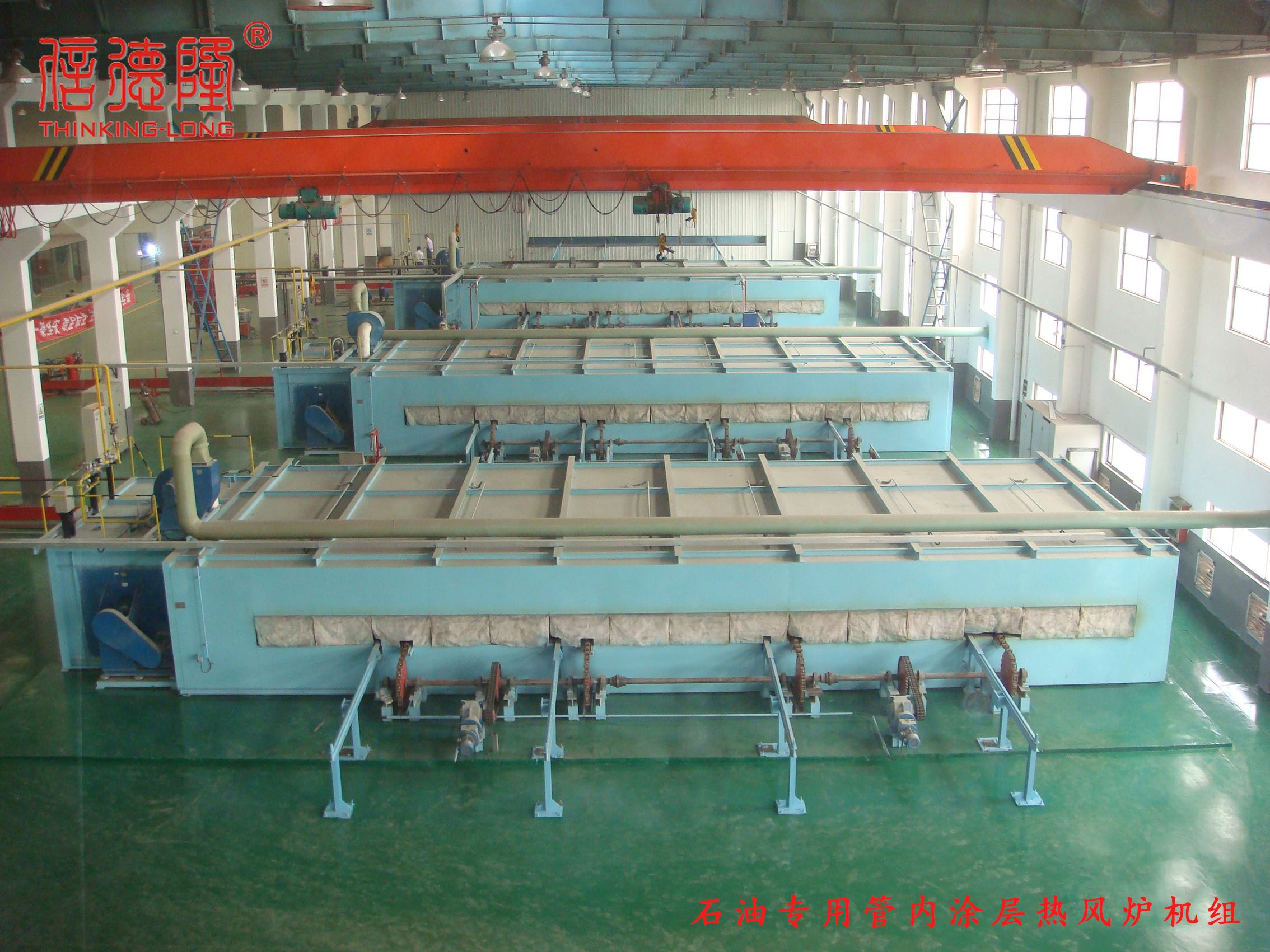
The blast furnace doesn't just burn fuel—it choreographs an energy exchange where every degree of preheat translates into tangible gains. By forcing air through stoves packed with checker brick matrices, operators harness exhaust heat that would otherwise vanish up the stack. This isn't mere recycling; it's a deliberate thermodynamic strategy that slashes coke consumption while boosting iron output. The preheated blast enters the tuyeres at velocities that pierce the raceway zone, and the elevated temperature alters the entire reduction equilibrium. Less energy is wasted dissociating moisture or heating inert nitrogen, so the carbon dissolved in molten iron gets a more efficient ride from ore to pig.
The real finesse lies in stabilizing blast temperature despite the rhythmic firing cycles of the stoves. Modern systems juggle multiple units, staggering the gas and combustion phases to deliver a seamless flow at 1100°C to 1250°C. Silica brick with exceptional creep resistance forms the heat reservoir, storing thermal capacity that later transfers to the blast with minimal exergy destruction. The process also suppresses the bosh gas volume, densifying the reducing atmosphere and allowing ore descent that better utilizes the furnace volume. It's a quiet triumph of heat exchange design—no moving parts in the hot path, just geometry and time constants tuned to bridge air and inferno with relentless efficiency.
Beyond the Brickwork: Material Innovations Redefining Stove Longevity and Heat Retention
Traditional stoves built with common brick and mortar have long faced the same issues: cracking under intense heat and losing warmth the moment the fire dies down. But a quiet revolution in material science is flipping that narrative. Modern stoves are now integrating low-expansion ceramics and high-density refractory composites that can withstand extreme temperature swings without structural fatigue. These aren’t just marginal upgrades—they fundamentally change how heat is managed. Instead of radiating all the energy outward in a short, fierce burst, the new materials absorb and slowly release it over many hours, turning a simple iron box into a steady, room-warming presence.
The real innovation lies in thermal mass engineering. By combining phase-change materials with vacuum-insulated panels, designers have managed to trap heat that would otherwise escape up the chimney. This captured energy is then rerouted through a maze of channels within the stove body, prolonging the release while keeping the exterior touch-safe. It’s a clever balance between density and porosity—dense enough to hold the heat, yet porous enough to prevent cracking. The result is a stove that feels less like a sudden blast of warmth and more like the gentle, persistent heat of a sunlit stone wall, even long after the last log has turned to ash.
Efficiency Unleashed: Dynamic Control Strategies for Peak Combustion and Recovery
Modern combustion systems thrive on adaptability. Rather than relying on fixed set points and rigid schedules, dynamic control leverages real-time sensor data and predictive algorithms to continuously tune air-fuel ratios, burner staging, and heat recovery flows. This closed-loop philosophy not only stabilises flame characteristics under varying loads and fuel qualities but also slashes excess oxygen and unburned carbon losses. The result is a system that breathes with the process—delivering top efficiency without constant manual intervention.
Beyond the firebox, recovery loops come alive when managed dynamically. Variable-speed fans, modulated dampers, and adaptive economiser bypasses respond to shifting thermal demands and ambient conditions. By orchestrating these elements in unison, plants extract every possible BTU from exhaust streams before they escape. Such integration often reveals hidden capacity—boilers and furnaces that were thought to be maxed out suddenly handle more throughput, all while fuel consumption per unit output drops noticeably.
The Silent Workhorse: Why Hot Blast Systems Outperform Alternatives in Continuous Iron Production
In the relentless rhythm of continuous iron production, the quiet dominance of hot blast systems often goes unnoticed. Unlike electric arc furnaces or induction-based melting, which demand fluctuating energy quality and impose hefty peak loads, the hot blast stove operates on a steady, recuperative principle. It recycles thermal energy from the furnace’s own off-gases, preheating the incoming air to over 1,200°C. This symbiosis between blast furnace and stove is not just about energy thrift—it fundamentally reshapes the reduction kinetics inside the burden. The result is a lower coke rate, fewer impurities, and a rhythm of tapping that feels almost automaton in its consistency. When production schedules stretch into months without pause, such stability isn't just an advantage; it's the lifeline that keeps integrated mills competitive.
Alternatives like oxygen-enriched cold blast or plasma torches might catch the eye with their futuristic appeal, but they stumble on one non-negotiable factor: process continuity. A plasma system can melt scrap with ferocious speed, yet its electrodes degrade under constant thermal assault, forcing interruptions that slice into output. Oxygen enrichment, while beneficial, still requires auxiliary fuels and cannot match the holistic energy integration of a preheated blast. Hot blast systems, by contrast, thrive on steadiness—their brick checkerworks absorb heat for hours during the 'on-gas' cycle, then release it relentlessly as the cold blast rushes through. There's no exposed arc, no consumable electrode to replace, just an aging-resistant assembly of refractories doing their silent work. In environments where a single unplanned halt can cost millions, the mechanical simplicity of a stove becomes a strategic asset.
What truly sets the hot blast apart, however, is its tolerance for variability in raw materials. Whether the burden leans heavy on low-grade sinter or irregular lump ore, the system adjusts without flinching—preheated air provides a thermal buffer that smooths out compositional shocks. Electric-driven processes, sensitive to ore conductivity and density shifts, can suffer erratic melting when feedstock quality wavers. Hot blast systems, with their enormous thermal reservoir, dampen these fluctuations, ensuring a consistent hearth temperature and liquid metal chemistry. It's this rugged flexibility, more than any single efficiency metric, that explains why they remain the backbone of primary ironmaking. They don't just perform well under ideal conditions; they excel in the imperfect, unpredictable reality of daily operations, where the true measure of an asset is how quietly it can shoulder adversity.
Future-Proofing Heat: Emission Slashing Designs and the Path to Carbon-Neutral Ironmaking
Iron and steel production has long been tethered to colossal carbon footprints, with blast furnaces belching nearly two tons of CO₂ for every ton of metal poured. Yet a quiet revolution is reshaping the thermal heart of the industry. Engineers are dismantling century-old paradigms, replacing coke and coal with hydrogen plasma and electric arc flashpoints that slice emissions at the molecular level. These designs don’t merely trim waste heat—they recirculate it, pulling thermal energy back into preheating, drying, or even generating auxiliary power. The result is a system that runs leaner, hits harder, and leaves behind little more than water vapor and inert slag.
New reactor geometries are equally radical. Gone are the towering monoliths that waste half their fuel just to stay hot. In their place emerge modular, sealed vessels that inject hydrogen directly into fluidized beds of fine ore, bypassing the energy-hungry sintering and pelletizing steps altogether. Some pilots operate at temperatures low enough that waste heat can be captured with off-the-shelf exchangers, slashing the plant’s total energy appetite by a third or more. The most audacious plants even flirt with direct electrolysis of iron ore at temperatures that would melt rock—literally dissolving feedstock in molten oxide baths and drawing pure metal to the cathode. Each of these pathways shares a common thread: they treat carbon not as a structural necessity but as a contaminant to be engineered out.
The path to carbon-neutral ironmaking is not a straight line, though. It weaves through industrial policy, green hydrogen supply chains, and the stubborn economics of retrofit versus rebuild. Early adopters are already pairing electric smelters with curtailment-dodging renewables, soaking up excess solar or wind that would otherwise go to waste. In Scandinavia, pilot plants produce sponge iron that feeds directly into electric arc furnaces, creating a closed loop where the only emission is oxygen from the ore itself. Such systems hint at a future where steel mills morph into dynamic energy nodes—sinking power when grids are flush, storing it as chemical energy in reduced iron, and even feeding heat back into district networks. The design philosophy is shifting from “how do we burn less?” to “how do we let nothing escape?”—and for an industry that once defined the carbon age, that’s a profound reorientation.
FAQ
At its core, a hot blast stove is a regenerative heat exchanger used to preheat air blown into a blast furnace. In steelmaking, this isn't just an add-on—it's a strategic asset. By delivering a consistent, high-temperature blast, it slashes coke consumption and drives energy efficiency, directly impacting both cost and carbon footprint.
Design dictates how effectively heat is captured and reused. Modern stoves use checkerwork with optimized geometry and refractories to maximize surface area and heat transfer. The real trick is balancing thermal storage and rapid release, which minimizes fuel waste during the heating cycle and ensures the blast air hits the right temperature without overburdening the burners.
Internal combustion stoves integrate the burner and checkerwork in one shell, simplifying construction but risking temperature stress at the division wall. External designs separate the combustion chamber, allowing higher temperatures and smoother gas flow without structural strain. Performance-wise, external chambers typically win on longevity and peak heat output, though the initial footprint is larger.
The refractory isn't just insulation—it's the backbone of thermal cycling. Poor material choice leads to cracking, spalling, and heat losses that quietly erode efficiency. High-alumina, silica, or advanced ceramic refractories handle extreme temperature swings without degrading, preserving the stove's ability to hit target blast temperatures year after year.
It's a tightrope walk. Pushing temperatures too high accelerates refractory wear and risks checkerwork collapse. Smart operators rely on thermal profiling, staggered cycle times, and regenerative timing to stay within safe limits while squeezing out extra efficiency. Preventative maintenance, like inspecting flue gas temperatures for anomalies, often catches issues before they force a shutdown.
Automation turns a good stove into a great one. Dynamic combustion control adjusts fuel-air ratios in real time based on heat demands, while advanced algorithms predict the perfect switchover moment between stoves. This removes the guesswork, reduces human error, and keeps the blast temperature stable even when the furnace load fluctuates.
Absolutely, and it's often underutilized. The flue gas leaving a stove still carries substantial thermal energy—enough to preheat combustion air or generate steam for other processes. Retrofitting a waste heat recovery unit can boost a plant's overall energy balance by several percent, making it one of the fastest payback improvements in heavy industry.
We're seeing a shift toward novel checker brick designs using CFD-optimized airflow, oxygen-enhanced combustion for faster heating cycles, and even phase-change materials that level out temperature spikes. Real-time digital twins now model the stove's internal condition, letting engineers simulate stresses and plan maintenance with unprecedented precision. These aren't just tweaks; they're redefining what these century-old workhorses can achieve.
Conclusion
Hot blast stoves are the unheralded backbone of modern steelmaking, ingeniously converting cold air into a scorching torrent that drives blast furnace efficiency. The process hinges on a meticulously choreographed thermal cycle, where refractory checkerwork absorbs heat from burning gas and then surrenders it to incoming air, achieving temperatures that slash coke consumption and accelerate iron production. Recent breakthroughs in ceramic materials and monolithic linings have dramatically extended stove longevity while boosting heat retention, enabling plants to sustain consistent blast conditions over decades. These innovations ensure that the stove’s internal landscape withstands relentless thermal shock, minimizing downtime and maintenance.
Beyond material science, dynamic control systems now orchestrate combustion and heat recovery with pinpoint accuracy, adapting in real time to fluctuating demands and fuel qualities. Compared to alternative preheating methods, hot blast systems deliver unmatched reliability in continuous casting environments, silently outperforming rivals by maintaining steady, high-temperature output. Looking ahead, the push for carbon-neutral ironmaking is reshaping stove design, integrating hydrogen-ready burners, waste heat recycling, and advanced flue gas treatment to slash emissions without sacrificing throughput. As steelmakers worldwide align with decarbonization targets, these enduring workhorses are evolving into high-tech assets that promise both environmental gains and operational excellence.
Contact Us
Contact Person: Qian Xijun
Email: [email protected]
Tel/WhatsApp: 8613961736750
Website: https://www.thinkinglong.com/