

Hospital Bed Manufacturer Buying Guide for Hospitals and Clinics
2026-08-29
Choosing the right hospital bed isn’t just about ticking a box on a procurement list—it’s about patient outcomes, staff efficiency, and long-term value. Yet with so many manufacturers claiming the same features, how do hospitals and clinics separate substance from marketing? This guide cuts through the noise, walking you through the essential factors before you commit. Along the way, you’ll see why facilities are turning to Suncare for beds that balance clinical performance with real-world durability.
Bed Types That Actually Fit Your Ward's Workflow
Choosing a bed for a ward is rarely about the mattress first. It's about how far a nurse has to bend, whether the side rails actually lock without a fight, and if the bed can glide through a doorway without scraping the frame. A low-height bed with electric height adjustment often saves more backs than any lift policy, especially on night shifts when staffing is thin.
For wards where patients move between diagnostics and therapy, beds with integrated transport wheels and a central locking pedal cut down the number of trips back to adjust a stuck caster. Bariatric models with widened frames and reinforced side rails keep heavier patients safe without forcing staff to improvise with extra slings or transfer boards. The bed that fits is the one that doesn't add friction to already-packed rounds.
Pay attention to the control placement too. Handsets that clip to the rail instead of dangling on the floor prevent accidental lowering during transfers. A bed that can tilt into a cardiac chair position or raise the foot section for vascular patients means fewer workarounds with pillows. These aren't luxury features; they're the difference between a bed that works with the ward and one that works against it.
Side Rails and Brakes Are Safety Decisions, Not Add-Ons
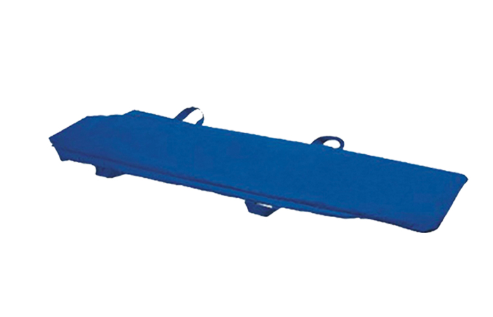
Side rails and brakes are not optional extras; they are core safety decisions that hold a bed together in every sense. When a caregiver evaluates a hospital bed, these components directly shape patient stability, fall prevention, and the ability to respond in an emergency. Treating them as afterthoughts shifts risk onto both the patient and the nursing staff, often with consequences that no accessory catalog can fix.
Brakes, for instance, do far more than keep a bed from rolling. A worn caster or a poorly designed locking mechanism can turn a routine repositioning into a sudden slide, especially on smooth floors. Side rails carry similar weight: their height, gap spacing, and latch strength determine whether a confused patient can slip through or climb over. These are not features to upgrade later; they are decisions made at the point of purchase, and they deserve the same scrutiny as the mattress or the frame.
In practice, facilities that view side rails and brakes as fundamental safety investments tend to document fewer falls and fewer staff injuries. The cost of getting them right is measured in design time and careful specification, not in expensive add-ons. Once the bed is in use, changing these elements is disruptive and costly, which is why the choice belongs in the initial safety plan rather than on a list of optional upgrades.
Manual or Electric Depends on Who Moves the Patient
A manual bed often gets dismissed as old-fashioned, but when the person in it rarely shifts position, it can be the more sensible choice. Caregivers who need to raise a headrest or adjust height once per shift aren't going to wear themselves out cranking a handle. The lack of a motor means fewer parts to break, and you never find yourself stranded during a blackout with the bed stuck in a half-raised position. For a patient who mostly stays put, that simplicity translates directly into dependability.
On the flip side, an electric bed hands control back to the person lying in it. Someone who wants to sit up to read, lower their legs to ease swelling, or shift angles through the night can do so without buzzing for help. That autonomy matters more than most facility brochures admit—it reduces the small humiliations of dependency and frees nurses to handle tasks that actually require two hands. The trade-off is that motors whir, remotes get lost, and a power outage or dead battery can turn a simple adjustment into a two-person job.
The real question isn't which bed is better in a lab, but whose hands will be doing the moving. A patient with limited arm strength but strong opinions will fight a manual bed every hour, while an unconscious patient gains nothing from an electric one. Facilities with frequent power instability or minimal maintenance staff often lean manual for a reason, while home care setups with a single caregiver favor electric for the strain it removes. Match the mechanism to the person actually pressing the button or turning the crank, and the debate mostly solves itself.
Weight Capacity Specs Rarely Tell the Whole Story
A label might say 300 pounds, but that number usually comes from a static test on a flat, even surface. It doesn’t account for the bounce of a truck hitting a pothole or the sideways lean when a ladder is set on a slight slope. Those everyday forces multiply the actual load on the frame and joints, often far beyond what the printed figure suggests.
The same goes for how weight is distributed. Two hundred pounds of gear strapped to one side can stress a hinge or weld point more than twice that weight centered properly. Materials matter too—cheaper steel or thin aluminum can flex enough to pass a basic rating yet fatigue quickly once you add vibration, temperature swings, or repeated use. So before trusting a spec sheet, ask what it left out.
What a Manufacturer's Warranty Doesn't Cover
Many buyers assume a warranty acts like a safety net for every problem, but the fine print usually tells a different story. Damage from everyday use—scratched screens, worn-out batteries, frayed cables—rarely qualifies. Neither does anything traced back to water exposure, drops, or using third-party chargers that weren't approved. The manufacturer covers defects they caused, not the wear that life puts on a device.
Repairs performed outside authorized service centers can void your coverage entirely, even if the original fault had nothing to do with the fix. Opening the case, swapping a part yourself, or letting a mall kiosk replace a cracked lens often means the company will reject later claims. Some brands keep a database of devices flagged for unauthorized work, so the decision may already be made before you call.
Consumable items and cosmetic damage are also typically excluded. Batteries that naturally lose capacity after two years, faded buttons, peeling trim, or a scratched casing won't be replaced free of charge. Software problems caused by updates from third parties, jailbreaking, or installing unverified apps can fall outside the warranty as well. In short, the warranty promises a defect-free product on day one—not a device that stays new forever.
Sourcing Spare Parts Before You Need Them
Waiting until a machine breaks to order a replacement part usually means paying for expedited shipping or losing production time. A better approach is to identify the handful of components most likely to fail on your critical equipment—filters, belts, sensors, seals—and keep those on hand. You don't need a warehouse full of inventory; just enough to cover typical lead times plus a small buffer for unexpected delays.
Build a simple list based on past failures and the manufacturer's recommended wear items. Then set up reorder points that trigger a purchase before stock runs out. For parts with long lead times or custom fabrication, place orders weeks or even months ahead of your planned maintenance window. This shifts the decision from a panic buy to a routine purchase, often at a better price.
Even for parts you rarely use, having one spare on the shelf can prevent a single failed component from idling an entire line. Compare the cost of the part against the cost of downtime and the math becomes clear. Sourcing ahead isn't about hoarding; it's about knowing which failures are predictable and preparing for them without overthinking.
FAQ
The real differentiators often come down to clinical suitability, durability under continuous use, and how responsive the manufacturer is after delivery. A cheaper bed that compromises on mattress compatibility or braking reliability can cost more in staff time and patient safety. Look at the bed's weight capacity, ease of cleaning, and whether the manufacturer offers local service support or rapid parts replacement.
Yes. In most regions, beds should comply with standards like IEC 60601-1 for electrical safety and ISO 14971 for risk management. For the U.S. market, FDA clearance is essential for powered beds. Also check if the manufacturer follows quality systems such as ISO 13485. These aren't just paperwork; they indicate the bed has been tested for patient and operator safety under real clinical conditions.
It depends on the manufacturer's production model. Some offer modular options like integrated scales, nurse call integration, or specialty mattresses. Others are strictly off-the-shelf. Clarify whether you can adjust bed height ranges, add IV pole sockets, or choose color coding for ward zones. Customization isn't always necessary, but it can reduce reliance on third-party add-ons and improve compatibility with your existing fleet.
It's often more important than the initial sale. A bed is a long-term asset, and downtime directly affects patient throughput. Ask about warranty length, availability of spare parts, average response time for on-site repairs, and whether technicians are trained on your specific model. A manufacturer with a regional service hub can usually resolve issues faster than one shipping parts from overseas.
Electric beds offer better ergonomics for caregivers and more independence for patients, but they cost more and require electrical safety checks. Manual beds are simpler and cheaper but increase physical strain on staff over time. Many facilities now opt for hybrid systems: electric for intensive and step-down units, manual for low-acuity or overflow areas. Evaluate the nursing workload and patient mobility profile before deciding.
Request documented test results, such as cycle testing for actuators and load testing for frames. Ask for references from facilities with similar patient acuity and usage patterns. Site visits to a manufacturer's production line can also reveal quality control practices. Don't rely on marketing brochures; ask for failure rate data or mean time between failures if available.
Definitely. Delivery fees, installation, staff training, extended warranties, and disposal of old beds can add up. Some manufacturers bundle these services into a per-bed contract, which may be more cost-effective than paying separately. Also consider the cost of replacement parts over a 10-year lifecycle, and whether the manufacturer charges for software updates on smart beds.
Conclusion
Choosing the right hospital bed manufacturer involves more than comparing spec sheets; it requires understanding how bed features align with daily clinical routines. The first step is to evaluate bed types against actual ward workflows—a bed that suits an ICU may hinder a general recovery floor. Safety elements like side rails and brakes must be treated as core clinical decisions, not optional extras, since they directly affect fall prevention and patient transfer stability. Similarly, deciding between manual and electric models hinges on who moves the patient and how often; electric beds reduce staff strain in high-turnover units, while manual beds may remain practical for low-acuity settings where mobility is stable and budgets are tight.
Weight capacity ratings often mask real-world performance, so it is wiser to ask about durability under repeated loading cycles and mattress compatibility. Equally important is a candid look at warranty exclusions—many manufacturers do not cover damage from misuse, improper cleaning agents, or wear on casters and electrical components. Before finalizing any purchase, map out spare parts availability: brakes, side rail mechanisms, control boards, and actuator motors should be obtainable quickly through local distributors or guaranteed supply channels. A manufacturer that supports after-sales parts and transparent repair guidance will save your facility from costly downtime. Ultimately, the best buying decision integrates everyday workflow needs, staff ergonomics, and long-term serviceability rather than chasing the lowest upfront price.
Contact Us
Contact Person: Frank Chan
Email: [email protected]
Tel/WhatsApp: 0086-13924529088
Website: https://www.suncare-medical.com