

Hastelloy Alloys Suppliers: Your Ultimate Guide to High-Performance Corrosion-Resistant Materials
2026-04-02
In the demanding world of industrial applications, finding materials that can withstand extreme corrosive environments is crucial for safety and efficiency. Hastelloy alloys have long been recognized as the gold standard for high-performance corrosion resistance, offering unmatched durability in challenging conditions. Whether you're in chemical processing, aerospace, or marine engineering, choosing the right Hastelloy supplier can make all the difference. This guide delves into the intricacies of these exceptional materials, exploring key factors to consider when selecting a supplier. As you navigate your options, consider innovative providers like Jiangsu Baowu New Materials, which brings cutting-edge solutions to the forefront of material science. Discover how the right partnership can elevate your projects and ensure long-term reliability in even the harshest environments.
Introduction to Hastelloy Alloys and Their Core Properties
Hastelloy alloys stand out in the world of high-performance materials, primarily due to their exceptional resistance to corrosion, even in some of the most aggressive environments imaginable. Developed by Haynes International, these nickel-based alloys incorporate elements like molybdenum, chromium, and sometimes tungsten or copper, which work synergistically to protect against acids, chlorides, and oxidizing agents. This inherent durability makes them a go-to choice in industries where equipment longevity and safety are non-negotiable, such as chemical processing, aerospace, and marine applications.
One of the defining characteristics of Hastelloy is its ability to maintain structural integrity under extreme conditions, including high temperatures and pressures. Unlike many other metals that might degrade or become brittle, Hastelloy alloys retain their mechanical properties, offering both strength and flexibility. This thermal stability is crucial in operations like petrochemical refining or nuclear power generation, where components are exposed to harsh thermal cycles and corrosive media without failing unexpectedly.
Beyond mere resistance, these alloys are engineered for versatility, with various grades tailored to specific needs. For instance, Hastelloy C-276 excels in handling wet chlorine and sulfuric acid, while B-2 is optimized for hydrochloric acid environments. This customization allows engineers to select the perfect alloy for a given application, enhancing efficiency and reducing downtime. In essence, Hastelloy alloys aren't just materials; they're strategic solutions that drive innovation in demanding sectors.
Key Industries Where Hastelloy Alloys Excel in Corrosion Resistance
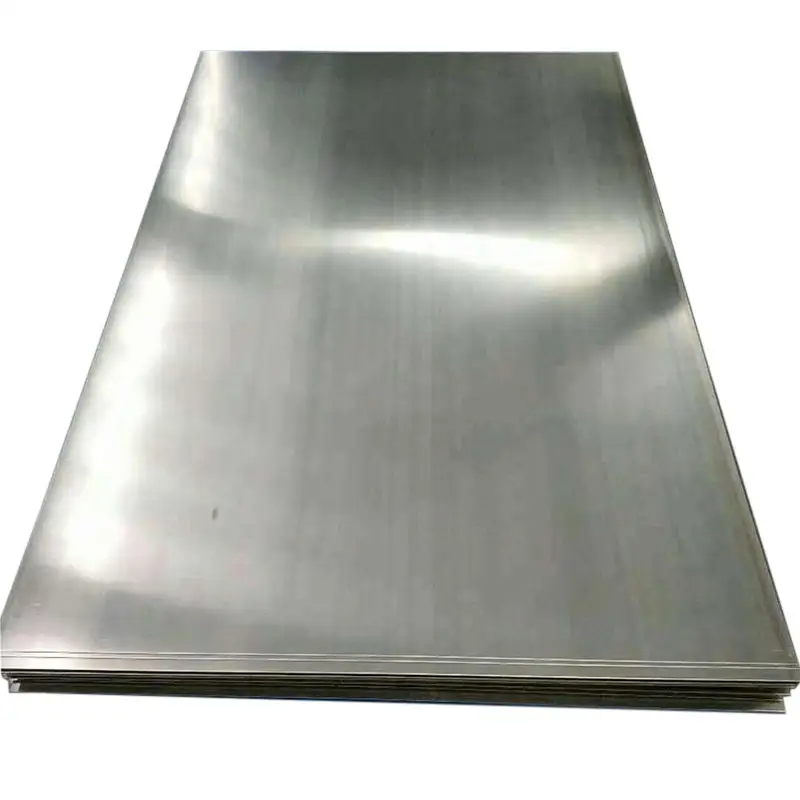
Hastelloy alloys have carved out a niche in industries where failure isn't an option. In chemical processing, where raw materials transform into end products through aggressive reactions, these alloys stand up to harsh acids like sulfuric and hydrochloric. Their composition, rich in nickel, molybdenum, and chromium, resists pitting and crevice corrosion, ensuring equipment longevity and reducing unplanned downtime. Whether in reactors, heat exchangers, or piping, Hastelloy’s reliability keeps production lines moving smoothly, even in the most caustic environments.
The oil and gas sector relies heavily on Hastelloy for offshore and deep-sea operations. Here, corrosive seawater mixes with hydrogen sulfide and carbon dioxide under high pressure, creating a perfect storm for material degradation. Hastelloy C-276 and similar grades excel by resisting stress corrosion cracking and localized attacks, safeguarding critical components like downhole tubing and subsea manifolds. This resilience not only extends asset life but also enhances safety in remote, high-risk settings where maintenance is costly and challenging.
Pharmaceutical manufacturing benefits from Hastelloy's corrosion resistance in maintaining product purity. In bioreactors and distillation columns, where processes involve potent solvents and sterilizing agents, any metal contamination could compromise drug quality. Hastelloy alloys prevent leaching and withstand cleaning cycles with aggressive chemicals, ensuring compliance with stringent regulatory standards. Their durability supports continuous, sterile operations, making them a cornerstone in producing life-saving medications without compromising integrity.
Selecting the Right Hastelloy Grade for Specific Applications
Choosing the ideal Hastelloy alloy isn't just about picking a corrosion-resistant metal; it's about matching its unique strengths to harsh environments. For example, in chemical processing plants where strong acids like sulfuric or hydrochloric are handled, Hastelloy C-276 stands out due to its exceptional resistance to pitting and stress corrosion cracking, making it a go-to for reactors and piping systems. Alternatively, in high-temperature applications such as furnaces or aerospace components, grades like Hastelloy X offer superior oxidation resistance and creep strength, ensuring durability under extreme heat. By assessing factors like temperature ranges, chemical exposure, and mechanical demands, engineers can pinpoint the grade that minimizes downtime and extends equipment life.
When diving deeper into specific industrial sectors, the nuances in selection become even clearer. In marine environments or offshore oil rigs, where saltwater and chlorides pose constant threats, Hastelloy C-22 often takes precedence over other grades due to its broader resistance to localized corrosion and better weldability, which simplifies fabrication on-site. For pharmaceutical manufacturing, where purity and contamination prevention are critical, grades like Hastelloy B-3 might be favored for handling reducing acids without introducing unwanted metallic ions. Understanding these subtle differences—such as how alloy composition affects performance in reducing versus oxidizing atmospheres—helps prevent costly failures and ensures compliance with stringent industry standards.
Ultimately, selecting the right Hastelloy grade involves a balanced approach that considers both technical specifications and practical realities. Collaborating with metallurgists or suppliers who provide real-world case studies can uncover insights beyond datasheets, like how Hastelloy C-2000 performs in mixed acid streams compared to traditional options. Factors such as cost, availability, and ease of machining also play a role; for instance, while Hastelloy G-30 offers excellent resistance to phosphoric acid, its higher initial cost might justify itself through lower maintenance in long-term operations. By tailoring choices to specific applications, from pulp and paper mills to nuclear reactors, users optimize performance while navigating the complexities of modern industrial challenges.
Manufacturing Processes and Customization Options from Suppliers
In today's competitive market, manufacturers and suppliers offer a diverse array of processes to bring products from concept to reality, each tailored to specific materials and design requirements. For instance, CNC machining provides precision for metal and plastic parts, while injection molding excels in high-volume plastic production. Beyond these, additive manufacturing, or 3D printing, allows for rapid prototyping and complex geometries that traditional methods can't achieve. This flexibility enables businesses to choose the most efficient and cost-effective approach based on their project's scale and complexity.
Customization plays a pivotal role in meeting unique client needs, with many suppliers providing extensive options to differentiate products. From material selection, such as using eco-friendly or high-strength alloys, to surface finishes like anodizing or powder coating, every aspect can be tailored. This goes beyond aesthetics; functional modifications, such as adding custom threads or integrating specific hardware, ensure that each component fits perfectly into the final assembly. By collaborating closely with clients, suppliers can deliver bespoke solutions that enhance product performance and market appeal.
Thus, leveraging advanced manufacturing processes and robust customization options empowers companies to innovate and adapt swiftly. This synergy not only reduces lead times and costs but also fosters a competitive edge by enabling the creation of distinctive, high-quality products that resonate with target audiences.
Quality Standards and Testing Methods Used in Hastelloy Production
In producing Hastelloy alloys, strict quality standards are crucial to ensure reliability in demanding environments like chemical processing and aerospace. These materials, known for their high-temperature and corrosion resistance, undergo rigorous control from raw material selection to final fabrication. Compliance with industry norms such as ASTM and ASME specifications ensures consistency and performance across batches, setting them apart from less-regulated alloys.
Testing methods in Hastelloy production include advanced techniques like non-destructive evaluation, such as eddy current testing and ultrasonic inspection, to detect internal flaws without compromising the material. Mechanical testing, including tensile and hardness tests, verifies strength and durability under stress. This comprehensive approach helps manufacturers deliver alloys that excel in applications where failure is not an option.
Beyond standard tests, some producers implement specialized analyses like scanning electron microscopy to examine microstructure and elemental composition, ensuring precise alloy formulations. This attention to detail enhances resistance to localized corrosion and thermal degradation, making Hastelloy a preferred choice for critical systems. By integrating innovative testing with stringent standards, the industry advances material reliability and safety.
Tips for Sourcing and Partnering with Reputable Hastelloy Suppliers
When you're on the hunt for a trusted Hastelloy supplier, don't just settle for the first name that pops up in a search. It's all about digging deeper—checking their track record with clients who've faced similar corrosion challenges, like those in chemical processing or marine applications. A supplier with a proven history of delivering consistent alloys tailored to specific needs can save you from costly downtimes later on.
Building a solid partnership goes beyond just placing orders; it's about open communication and shared goals. Look for suppliers who offer transparent material certifications and are willing to collaborate on custom solutions, rather than pushing one-size-fits-all products. This way, you can ensure your projects benefit from alloys that meet exacting standards without hidden surprises.
To stand out in a crowded market, consider suppliers who innovate responsibly, perhaps by adopting sustainable practices without compromising quality. A reputable partner might also provide ongoing support, like technical advice on alloy selection, helping you navigate complex applications with confidence over the long haul.
FAQ
Hastelloy alloys excel in harsh settings due to their exceptional resistance to corrosion from acids, chlorides, and oxidizing agents, making them ideal for chemical processing, aerospace, and marine applications.
Reputable suppliers implement rigorous testing protocols, including chemical analysis, mechanical property checks, and certifications like ASTM standards, to guarantee material integrity and traceability.
Key factors include the type of corrosive media (e.g., sulfuric acid vs. seawater), temperature, pressure, and mechanical stress, with grades like C-276 for general use and B-2 for reducing environments.
While Hastelloy is often more expensive upfront, it outperforms stainless steel in severe corrosive settings and offers better cost-effectiveness for long-term durability compared to titanium in many applications.
Challenges include machining difficulties due to work hardening and welding complexity; suppliers often provide technical support, pre-machined components, and specialized welding guidelines to mitigate these issues.
Yes, suppliers offer customization through various forms (sheets, tubes, bars), sizes, and surface finishes, and can tailor alloys for specific thermal or mechanical properties based on client specifications.
Suppliers adapt by using recycled materials where possible, optimizing energy-efficient manufacturing processes, and ensuring compliance with global standards to reduce environmental footprint.
Growing demand comes from renewable energy sectors (e.g., geothermal and solar power systems), pharmaceutical manufacturing, and advanced electronics, where corrosion resistance is critical.
Conclusion
Hastelloy alloys represent a pinnacle of high-performance materials, specifically engineered to combat extreme corrosion in demanding environments. These nickel-based superalloys combine exceptional resistance to chemical attack, high temperatures, and mechanical stress, making them indispensable across industries like chemical processing, aerospace, and energy. Understanding their core properties, such as resistance to pitting, crevice corrosion, and stress corrosion cracking, is crucial for selecting the right grade. Whether it's Hastelloy C-276 for aggressive media or B-2 for reducing acids, each variant offers tailored solutions that enhance durability and safety in applications ranging from reactors to offshore platforms.
Partnering with reputable Hastelloy suppliers involves more than just procurement; it requires a focus on quality standards like ASME and ASTM, rigorous testing methods, and customization options that align with specific manufacturing processes. Suppliers that offer expert guidance on material selection and adherence to industry certifications ensure optimal performance and longevity. By sourcing from reliable partners, businesses can leverage advanced corrosion-resistant solutions to minimize downtime and maintenance costs, ultimately driving innovation and efficiency in high-stakes operations where failure is not an option.
Contact Us
Contact Person: Zoe Liang
Email: [email protected]
Tel/WhatsApp: 86 189 2128 6299
Website: https://www.baowuchina.com