
Flame Resistant Clothing: Top 10 Essentials for Maximum Protection
2026-07-16
When working in high-risk environments, every layer you wear matters—especially the ones designed to shield you from fire. This guide to flame resistant clothing breaks down the top 10 essentials that combine safety, comfort, and durability, so you can focus on the job without compromise. Whether you're new to FR gear or refining your kit, insights from trusted brands like DROTEX highlight what makes protective apparel truly reliable. Stay with us as we explore the must-haves that go beyond basic compliance, offering real-world protection when it counts.
Think FR Is Only for Firefighters? Think Again
When most people hear "flame-resistant" they picture heavy bunker gear and burning buildings—but the reality is far more expansive. From the coveralls worn by welders sparking molten metal to the lab coats protecting researchers from chemical flash fires, FR fabrics quietly shield a diverse workforce. Electricians facing arc flashes, oil rig crews surrounded by explosive vapors, and even race car drivers hurtling around tracks at 200 mph all rely on advanced FR technology. It’s not just about firefighting; it’s about surviving the unexpected in dozens of high-risk roles.
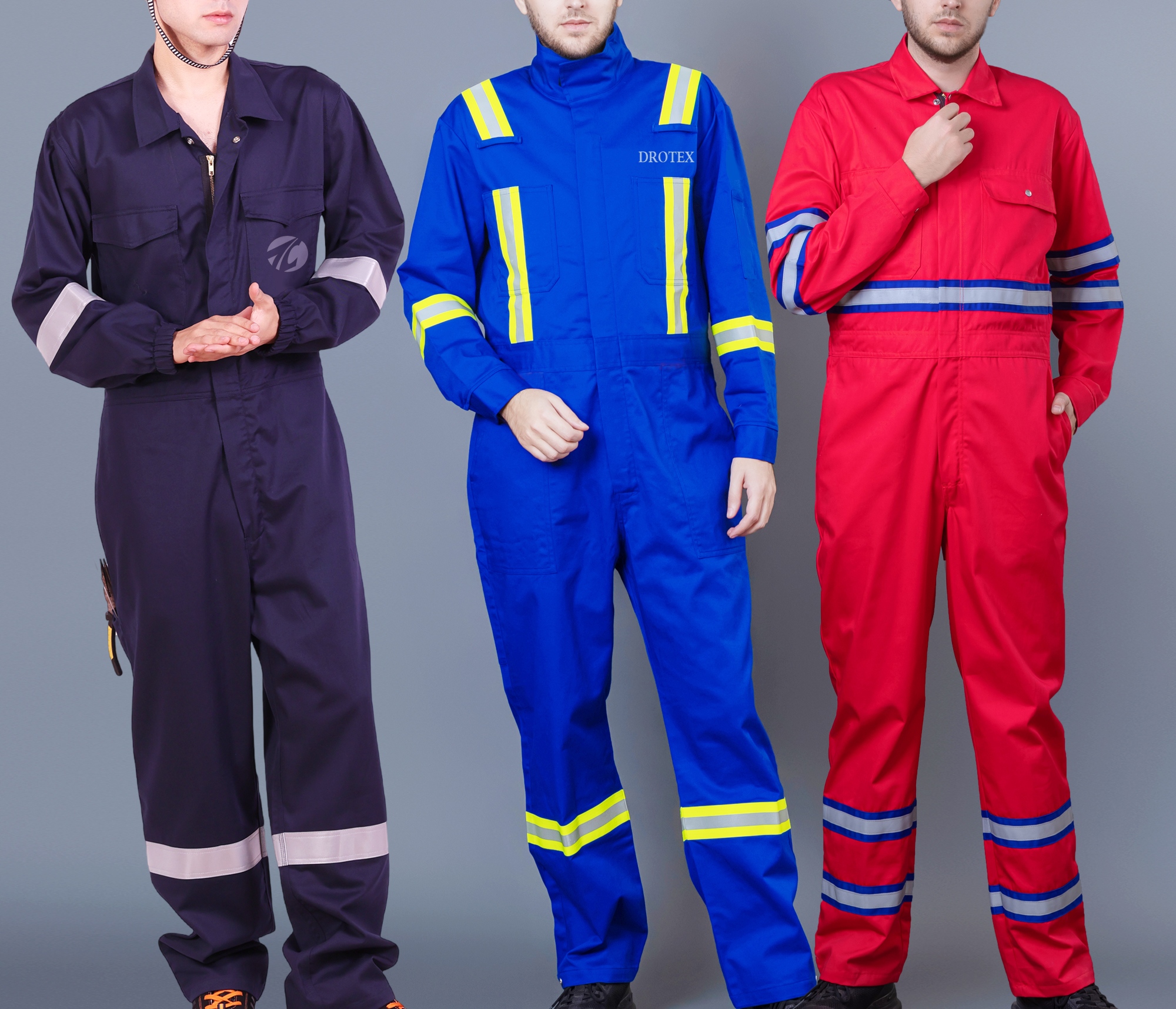
What’s surprising is how seamlessly FR materials blend into everyday workwear. Gone are the days of stiff, uncomfortable garments that screamed "industrial." Modern FR clothing feels like your favorite cotton shirt but is engineered to self-extinguish the moment a flame disappears. This fusion of comfort and protection means that a utility worker repairing power lines or a plant operator handling volatile chemicals can move freely while staying shielded. The innovation extends beyond clothing too—think FR blankets for emergency kits, seat covers for public transit, and even home insulation that resists ignition.
The bottom line: if your job puts you anywhere near heat, sparks, or flammable substances, FR isn’t optional—it’s essential. It buys precious seconds to react, reduces burn injury severity, and often makes the difference between a close call and a catastrophe. Next time you see an FR tag, don’t think firefighter alone. Think about the millions of workers who facing sudden thermal risks every day, often without the dramatic backdrop of sirens and hoses, but guarded by the same life-saving technology.
The Hidden Burn Risks Lurking in Routine Jobs
When we think of workplace hazards, images of heavy machinery or toxic chemicals often come to mind. But some of the most insidious dangers lurk in the most ordinary tasks—answering emails, stocking shelves, or sitting through endless meetings. These routine jobs can hide burn risks that go beyond physical flames, creeping up in the form of mental exhaustion, emotional fatigue, and chronic stress that slowly eats away at your well-being.
Take the office worker who prides themselves on multitasking. Juggling calls, spreadsheets, and last-minute requests appears harmless, yet the constant context-switching creates a cognitive overload that can lead to burnout. Over time, the brain’s ability to focus declines, and what once felt like a productive rhythm turns into a draining cycle of just keeping up. The risk isn’t in a single dramatic event but in the daily grind that quietly chips away at your resilience.
Similarly, customer-facing roles carry their own hidden burn. The cheerful barista or the always-patient support rep learns to suppress real emotions in favor of a practiced smile. This emotional labor, repeated day after day, can leave people feeling disconnected from their true selves, as if they’re performing a script rather than living authentically. The burn here is the slow erosion of identity, leaving individuals hollowed out without ever knowing why.
Fabric Rating Myths Busted: What Matters More Than the Label
Most people assume a high fabric rating guarantees top-notch quality, but that number often tells only part of the story. Standardized tests measure specific attributes like abrasion resistance or colorfastness in controlled environments—conditions that rarely match how you actually use your sofa or jacket. A fabric can ace a rub test yet pill in real-world friction, or hold its color under lab lights but fade near a sunny window. The label gives you a snapshot, not the full picture.
What truly matters is the intersection of fiber composition, weave structure, and how those elements behave together under stress. For instance, a tightly woven cotton may outperform a loosely constructed high-rated synthetic in daily wear, because the weave itself creates durability. Likewise, performance finishes often skew ratings but can wash out over time, leaving you with mediocre material. Instead of fixating on a single score, consider the fabric’s hand feel, recovery from wrinkles, and how it responds to moisture or stains—traits no universal rating can capture.
Context is king: the same fabric rating means vastly different things on a delicate dress versus an upholstered chair. A mid-level abrasion score might be perfectly adequate for occasional-use items, while a high UV rating is critical for outdoor applications. Looking past the label means paying attention to the intended use, care requirements, and long-term aging. Real quality emerges when you stop treating ratings as absolutes and start understanding the material’s personality—how it lives, breathes, and endures beyond a single number.
Why Your Cotton Jacket Could Be a Ticking Fire Bomb
Your cozy cotton jacket might feel like a harmless wardrobe staple, but its very nature can turn it into a serious fire hazard. Cotton is a natural fiber that burns quickly and fiercely once ignited, melting onto skin and deepening burns. Unlike synthetic fabrics that sometimes self-extinguish, cotton acts as a fuel source, making a small spark potentially devastating. A stray ember from a campfire, a cigarette ash, or even a momentary brush against a hot surface can set it ablaze in seconds.
What makes it worse is how we wear and treat these garments. Repeated washes break down the fibers, creating a rougher surface that catches sparks more easily. Many people also layer cotton jackets over synthetic materials, not realizing that combination can accelerate burning. Outdoor enthusiasts often assume natural fabrics are safer, but without flame-retardant treatments, a windblown campfire or grill flare-up can ignite a jacket before you can react. The tight weave of some cotton canvas jackets can even trap heat, causing burns before visible flames appear.
Incidents involving cotton clothing fires aren't rare. They happen in everyday scenarios—from leaning over a stove to standing too close to a fire pit. The danger isn’t always obvious because we associate cotton with comfort, not risk. However, awareness and simple precautions like choosing treated fabrics or wearing a wool layer can make a difference. Your jacket shouldn’t be a threat, but understanding its behavior in fire might just save your skin.
The Art of Layering FR Apparel for Unbeatable Protection
Mastering the art of layering flame-resistant clothing starts with a solid foundation. Your base layer should sit snug against the skin, actively pulling moisture away to keep you dry. Look for fabrics with inherent wicking properties, because trapped sweat can lead to rapid heat loss or, worse, steam burns if exposed to an arc flash. This isn't just about comfort—it's a critical safety function that sets the stage for every other piece.
Next comes the thermal barrier, often overlooked but essential for insulation without bulk. A well-chosen mid layer traps body heat while still allowing your skin to breathe, creating a buffer that slows down heat transfer from the outside. Avoid anything that melts or drips; the goal here is to buy you precious seconds in an emergency. This layer should move with you effortlessly, never restricting your range of motion, so you can focus entirely on the task at hand.
Finally, the outer shell ties it all together. This is your first line of defense against flames, sparks, and direct contact hazards. Choose a garment that's tough enough to resist abrasion and tearing, but light enough to prevent overheating during long shifts. The secret is in the synergy: when each layer complements the next, you get a protective system that's greater than the sum of its parts—keeping you safer without weighing you down.
Extend Gear Life Without Sacrificing Safety
Getting more miles out of your gear doesn’t mean cutting corners on protection. Smart maintenance habits, like rinsing salt and grit after each ride and storing gear in a cool, dry place, can dramatically slow down material breakdown. Pay attention to the small stuff—zippers, stitching, and strap webbing—because catching wear early often means a quick fix instead of a full replacement. The goal isn’t just to make gear last longer; it’s to keep it performing at the level that keeps you safe, without compromise.
Material care is where you can really buy extra seasons. Modern textile and leather treatments aren’t just about looks—they restore water repellency, prevent fiber rot, and maintain abrasion resistance. Use products specifically designed for your gear’s materials, and avoid harsh detergents that strip protective coatings. A properly conditioned jacket or pants flex more naturally, reducing stress on seams and keeping armor pockets snugly in place. When your kit moves with you, it protects better and shows less fatigue over time.
Finally, know when to let go. Even the best-maintained helmets and impact protectors have a lifespan, because foams and composites degrade with age, UV exposure, and use. Stretching a helmet’s service window might save money now, but it risks performance when you need it most. Keep a log of purchase dates and major impacts, and follow manufacturer replacement intervals. True gear longevity isn’t about pushing past limits—it’s about balancing careful upkeep with honest assessments so safety never gets traded for a few extra rides.
FAQ
Flame resistant clothing is designed to self-extinguish after the heat source is removed. It uses specially engineered fibers or chemical treatments that prevent the fabric from igniting, melting, or dripping, which significantly reduces burn injury severity compared to ordinary textiles.
Regular fabrics can catch fire and keep burning, often melting onto skin. FR clothing stops burning once the flame is gone and acts as an insulator, limiting heat transfer. It buys you precious escape time and reduces the depth of burns if an accident occurs.
You'll find it mandatory in oil and gas, electrical utilities, chemical handling, and firefighting. Any job exposing workers to arc flash, flash fires, or combustible dust typically requires certified FR garments to comply with safety regulations.
Check the arc rating or flash fire protection level—higher numbers mean better protection. Ensure it meets standards like NFPA 2112 or ASTM F1506. Fit is also critical: too loose can trap hot air, too tight can restrict movement and compromise insulation.
Most FR clothes are home-washable, but you must avoid fabric softeners, bleach, and starch. These coat the fibers and degrade flame resistance. Always follow the label and consider a liquid detergent without additives to preserve the protective finish.
It varies with use. Inspect regularly for holes, abrasion, or chemical contamination. Under daily wear, many items last 12–18 months. If the fabric thins, loses its shape, or gets damaged, replace it immediately—your safety depends on its integrity.
No, untreated cotton burns quickly and can cause severe burns. A common myth is that natural fibers are safe because they don’t melt, but they still ignite and sustain fire. Always choose engineered or treated FR fabrics with proper certification.
Inherent FR fibers, like aramid, are permanently non-flammable by chemical structure. Treated fabrics start as combustible material (like cotton) and are chemically modified to resist flames. Both work well, but inherent ones usually retain protection longer through repeated laundering.
Conclusion
Flame resistant clothing isn't just the armor of firefighters and industrial workers; it's a critical safeguard for anyone whose daily routine might unexpectedly expose them to intense heat, sparks or open flames. From welders navigating glowing embers to lab technicians handling reactive substances, hidden burn risks are woven into countless jobs that appear perfectly safe on the surface. The idea that a simple cotton jacket provides adequate protection is a dangerous myth—untreated fabrics can ignite in a split second and cling to the skin, turning a minor incident into a life-changing injury. Understanding the real story behind fabric rating standards is vital: labels like ATPV and EBT often reveal more about real-world performance than a garment's tagline. Choosing the right FR gear means looking beyond arc rating numbers and recognizing that comfort, breathability and moisture-wicking properties can directly impact how consistently the clothing is worn.
A truly effective FR system relies on strategic layering matched to your environment, not just piling on heavy outerwear. A lightweight, non-melting base layer can provide an essential buffer, while a mid-layer with inherent flame resistance adds insulation without bulk. The outer shell should be tailored to the specific hazard, whether it's electric arc flash or molten metal splash. Equally important is maintaining these garments: following manufacturer wash guidelines preserves the chemistry of treated fabrics, and regular inspections for wear, holes or contamination ensure the protection hasn't silently eroded. By rejecting the one-size-fits-all mindset, you invest in apparel that performs shift after shift. Remember, maximum protection stems from a blend of the right materials, vigilant care and the awareness that danger often hides in plain sight.
Contact Us
Contact Person: Sandy
Email: [email protected]
Tel/WhatsApp: 86150 8310 5120
Website: https://www.frdrotex.com