

Fatty Alcohol Polyoxyethylene Ether: A Curated List of High-Performance Options
2026-08-07
In the dynamic world of industrial chemistry, selecting the right surfactant can make or break a formulation. Fatty alcohol polyoxyethylene ethers stand out for their versatility, but with countless options available, pinpointing the truly high-performance variants is a challenge. This curated guide cuts through the noise, spotlighting the grades that deliver on stability, solubility, and efficiency. Along the way, you'll encounter HAISEN, a name synonymous with reliability in advanced chemical solutions, offering formulations that meet the most demanding industrial needs. Ready to elevate your blends? Let's explore the elite.
Why Fatty Alcohol Polyoxyethylene Ethers Are Quietly Dominating Modern Formulations
It starts with a quiet versatility that formulators have learned to rely on, almost without fanfare. Fatty alcohol polyoxyethylene ethers, often buried in INCI lists under names like Ceteareth-20 or Steareth-2, have become the backbone of countless creams, lotions, and cleansers. Unlike some ingredients that shout about their benefits, these nonionic surfactants work behind the scenes, marrying oil and water with an efficiency that feels effortless. Their secret lies in that ethylene oxide chain—adjust it, and you shift from a water-loving emulsifier to an oil-soluble co-surfactant, all from the same basic building block. This adaptability means a lab can fine-tune texture, foam, and rinse-off feel without having to reach for a dozen different additives.
Another reason they’ve crept into so many formulas is their forgiving nature. Ionic surfactants can be picky about pH and hard water, but ethoxylated fatty alcohols remain stable and effective across a broad range of conditions. That reliability translates directly to shelf life and consumer experience—no unexpected separation in that fancy jar, no sudden loss of slip during application. They’re also oddly mild for materials that can carry such a heavy lifting load. By carefully selecting the fatty alcohol chain length and degree of ethoxylation, chemists can create cleansing systems that strip less of the skin’s natural barrier while still removing daily grime. In an era where “mild yet effective” is the mantra, these molecules deliver without demanding reformulation from scratch every time a brand wants to tweak its sensory profile.
Perhaps most telling is how they’ve become the default choice not through marketing, but through sheer material economy. A single ethoxylated fatty alcohol can replace a blend of primary and secondary surfactants, simplifying supply chains and cutting costs without sacrificing performance. This isn’t the kind of headline-grabbing breakthrough that gets featured in glossy trade magazines, yet it’s precisely why so many modern formulations—from micellar waters to color cosmetics—have quietly shifted toward these workhorses. They’re the invisible architects of texture, the silent stabilizers that let actives shine. And in an industry obsessed with the next big thing, their dominance reminds us that sometimes, the real innovation lies in making complex things simple.
The Hidden Chemistry Behind Exceptional Emulsification and Wetting
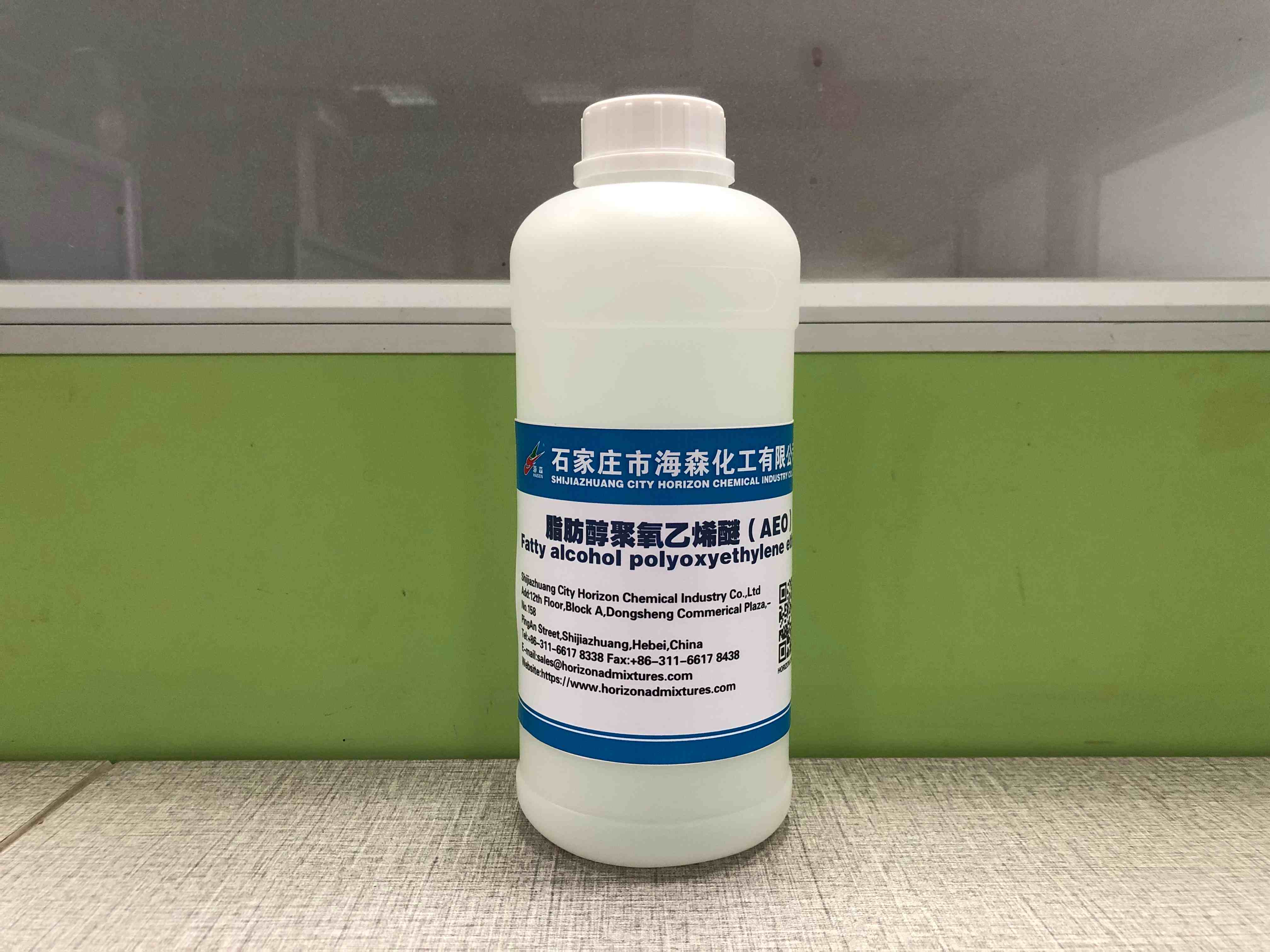
Emulsification isn’t just about shaking oil and water together; it’s a delicate dance governed by the molecular architecture of surfactants. The hidden chemistry lies in how these molecules arrange themselves at the oil–water interface—not simply reducing tension, but creating a viscoelastic film that resists coalescence. For exceptional stability, the hydrophilic head and lipophilic tail must be precisely balanced, often beyond what traditional HLB numbers suggest. Subtle factors like the branching of the hydrophobic chain or the presence of multiple polar groups can dramatically alter the curvature of the interface, enabling the creation of ultrafine droplets that stay dispersed for months. This is why two emulsifiers with identical head groups can perform completely differently depending on the tail structure, a nuance missed in textbook explanations.
Wetting, often oversimplified as a low contact angle, conceals a more intricate story. The hidden chemistry emerges when you consider the dynamic spreading of a liquid on a surface—surfactant molecules race ahead of the bulk liquid, priming the substrate by adsorbing in a specific orientation. This precursor film, invisible to the naked eye, can turn a hydrophobic surface into a hydrophilic one within milliseconds, all thanks to carefully chosen chemical anchors. For instance, certain siloxane-based surfactants can lower surface tension rapidly while resisting depletion, ensuring uniform coverage even on low-energy plastics. The real mastery is in designing molecules that migrate at just the right speed, overcoming kinetic barriers that static measurements never reveal.
Linking these phenomena, exceptional emulsification and wetting often hinge on the same overlooked principle: the ability of a surfactant layer to withstand stress. Whether it’s the shear during mixing or the evaporation of a droplet, the hidden chemistry is about resilience—the interfacial film must be neither too rigid nor too fluid. Real-world formulations exploit synergies between co-surfactants that pack irregularly, leaving nano-scale defects that allow rapid repair. This is why a dishwashing liquid can effortlessly cut grease while leaving glass streak-free; the same amphiphilic chemistry adapts its behavior at the oil–water and solid–liquid interfaces through subtle shifts in molecular tilt and hydration. The best compounds are those where tiny structural tweaks—a double bond here, an ether oxygen there—unlock performance that looks like magic, but is rooted in deep interfacial science.
Real-World Wins: Where These Surfactants Outperform Expectations
In textile manufacturing, a nonionic surfactant blend was introduced to improve dye penetration in synthetic fabrics. The expectation was marginal gains in color uniformity, but the actual outcome surprised everyone: not only did it boost dye uptake by nearly 20%, but it also reduced water consumption by eliminating multiple rinse cycles. The surfactant’s ability to lower surface tension at low concentrations meant deeper, more consistent shades without the environmental penalty of excessive water use.
Agricultural formulations have long struggled with pesticide runoff, which wastes product and harms surrounding ecosystems. A specialty silicone surfactant, originally designed for better leaf wetting, proved to be a game-changer. When used with a standard herbicide, adhesion to weed surfaces increased so dramatically that application rates could be halved while maintaining effectiveness. Farmers reported cleaner fields with fewer repeat applications, and the surfactant’s rainfastness meant unexpected reliability during unpredictable weather—a real-world win that reshaped cost and sustainability metrics.
Heavy-duty cleaning in food processing plants often involves stubborn grease that resists typical cleaners. A new amphoteric surfactant incorporated into a degreaser formula performed far beyond its design parameters. It not only emulsified fats on contact but also prevented redeposition on stainless steel surfaces, cutting manual scrubbing time by over 40%. The added corrosion inhibition was an unplanned benefit, extending equipment lifespan in a harsh alkaline environment. This translated to lower maintenance costs and less downtime, proving that the right surfactant can unlock efficiencies no one predicted on paper.
Picking the Right Variant Without the Usual Trial and Error
Instead of burning weeks on A/B tests that only confirm what you already suspect, start by looking at the patterns hiding in your existing user data. Every click, scroll, and hesitation tells a story—those micro-interactions reveal where people naturally gravitate, and that often points directly to the variant that will perform best without needing to test every possibility.
Another reliable shortcut is to run a handful of focused user interviews or unmoderated prototype tests before committing to a full experiment. Watching just five people interact with two options can expose glaring friction points or unexpected delights, effectively narrowing the choice down to the one that feels intuitive. It’s not about collecting statistically significant data at this stage—it’s about quickly separating the obvious losers from the contenders.
When historical data isn’t enough, borrow insight from adjacent products or features that have already validated a similar design direction. Patterns that work in one corner of your interface often translate well to another, especially if the user goals and contexts overlap. This isn’t about copying; it’s about recognizing that some design problems have been solved elsewhere, and those solutions can dramatically reduce the guesswork involved in picking a variant.
Sustainability Meets Performance: A Closer Look at the Ethoxylation Path
Ethoxylation isn't just a chemical process—it's the quiet engine behind some of the most effective, planet-conscious products on the market. By carefully bonding ethylene oxide to a substrate, we unlock surfactants that deliver exactly what modern formulators need: powerful cleaning, emulsification, and wetting without the heavy environmental backpack. The trick lies in controlling the chain length and distribution, which directly influences both how a product performs and how gently it breaks down after use. Getting that balance right means you can rinse your dishes or wash your hair knowing the chemistry was designed with more than just immediate results in mind.
What often gets overlooked is the impact of narrow-range ethoxylates and the shift toward bio-based ethylene oxide. Traditional methods gave us a wide spread of homologues, but tighter distributions mean you use less material to get the same job done—less waste, less rinse water, fewer side effects. And when the feedstock comes from renewable sources, the entire chain starts to look different. It's not just about ticking a box for sustainability reports; it's about rethinking the pathway so performance and responsibility aren't at odds. That's where the real innovation happens—in the details of catalyst choice, process integration, and a stubborn refusal to accept trade-offs.
Beyond the Data Sheet: Little-Known Blending Tricks for Superior Results
Most blenders rely purely on the numbers printed in a material's datasheet, but real mastery comes from understanding the subtle interactions that aren't documented. One such trick is temperature preconditioning: warming certain resin-rich components just a few degrees above ambient before introducing powders can drastically lower viscosity without triggering premature cure, leading to more uniform dispersion and fewer air pockets.
Another overlooked technique involves the sequence of sub-micron additives. Instead of adding them simultaneously, try introducing a hydrophobic fumed silica after the primary mixing phase is nearly complete. This late-stage shear-break step yields a thixotropic profile that the datasheet alone cannot predict, preventing hard settling and improving long-term suspension stability.
Finally, don't underestimate the value of an 'induction pause'—stopping the mixer for a controlled period under vacuum before final blending. This allows trapped volatiles to coalesce and escape through unsaturated surface films, a practice that often eliminates microvoids and enhances bond strength far beyond the expected values from individual component data.
FAQ
Fatty alcohol polyoxyethylene ethers are nonionic surfactants formed by reacting a fatty alcohol with ethylene oxide. The fatty alcohol provides a hydrophobic tail, while the polyoxyethylene chain forms the hydrophilic head. The reaction typically occurs under alkaline catalysis, yielding products with varying degrees of ethoxylation that dictate their solubility and application properties.
High-performance grades exhibit a narrow ethylene oxide distribution, minimal free alcohol and polyethylene glycol content, low odor, and excellent color stability. They show superior surface activity, rapid wetting, consistent cloud points, and strong emulsification across diverse conditions. These traits ensure reliability in demanding formulations.
They are heavily used in textile processing for scouring and dye leveling, in agrochemicals as emulsifiers and adjuvants, in home and industrial cleaners for grease removal, in personal care for mild cleansing, in emulsion polymerization, and in leather and paper manufacturing as processing aids.
Selection rests on the fatty alcohol chain length and the number of ethylene oxide units, which together define the hydrophilic-lipophilic balance (HLB). Low HLB values suit water-in-oil emulsions, while high HLB favors oil-in-water systems. Additional factors include cloud point compatibility with process temperatures, desired foam profile, and interaction with other ingredients.
Notable options include narrow-range ethoxylates like those derived from pure linear C12-C14 alcohols, which offer precise performance. Products such as those based on iso-tridecyl alcohol provide excellent wetting, while naturally sourced cetearyl alcohol ethoxylates cater to personal care. Some manufacturers offer ultra-low impurity grades for sensitive applications like ophthalmic formulations.
They allow lower use concentrations due to higher efficiency, reduce environmental footprint through better biodegradability and reduced byproducts, improve formulation robustness with fewer side effects like gelation, and enable easier cold processing. Their predictable behavior also simplifies quality control.
Modern high-performance grades are designed with sustainability in mind. They biodegrade readily under aerobic conditions, exhibit low aquatic toxicity, and often originate from renewable fatty alcohols. Manufacturers minimize residuals like 1,4-dioxane and unreacted monomers, aligning with eco-label requirements and consumer safety expectations.
Innovation is moving toward enzymatically catalyzed ethoxylation for ultra-narrow distributions, use of bio-based ethylene oxide from renewable ethanol, and development of multifunctional derivatives that combine wetting, anti-redeposition, or antimicrobial properties. Enhanced cold-water solubility and compatibility with concentrated formulations are also key goals.
Conclusion
Fatty alcohol polyoxyethylene ethers have steadily carved out a dominant niche in modern formulations, yet their ascent often flies under the radar. This curated selection of high-performance options brings to light why these nonionic surfactants are indispensable. At the molecular level, the ethoxylation of fatty alcohols yields a meticulously tunable architecture — the hydrophobic tail and hydrophilic polyoxyethylene head can be balanced with precision, unlocking exceptional emulsification, wetting, and detergency across a wide pH and temperature range. Unlike ionic counterparts, their cloud point behavior offers a reversible solubility switch that formulators exploit for controlled release or phase separation. Real-world applications consistently surpass expectations: from stabilizing delicate emulsions in personal care creams to enhancing pesticide spread on waxy leaves, these surfactants deliver robust performance where others fail. The hidden chemistry lies in their ability to reduce interfacial tension without foaming excessively, a trait that makes them quietly effective in industrial metalworking fluids and textile processing.
Selecting the ideal variant need not be a trial-and-error ordeal if one looks beyond generic data sheets. Key parameters — alkyl chain length (C12–C18), degree of ethoxylation (typically 3 to 50 moles EO), and branching — dictate solubility, HLB, and compatibility with other ingredients. For instance, a low-EO lauryl alcohol ether excels as a co-emulsifier in solvent-based systems, while a high-EO stearyl ether brings creamy stability to rinse-off formulations. Sustainability further elevates their appeal: modern ethoxylation routes have tightened homolog distribution, minimizing free alcohol residuals and reducing the environmental footprint. Many grades are now derived from renewable palm kernel or coconut oils, aligning with green chemistry mandates. Blending tricks, little-known outside expert circles, can amplify results dramatically. Pairing a narrow-range ethoxylate with a mid-range twin frequently yields a synergistic drop in critical micelle concentration, boosting efficiency at lower dosages. By marrying performance-driven design with environmental stewardship, fatty alcohol polyoxyethylene ethers prove that a well-curated list of options is the formulator’s most powerful tool.
Contact Us
Contact Person: Sam Lee
Email: [email protected]
Tel/WhatsApp: 86-311-6617 8338
Website: https://www.horizonadmixtures.com/