

Dual Channel Tissue Cutter Exporter for Advanced Minimally Invasive Surgery
2026-11-02
Precision in minimally invasive surgery hinges on one thing: the cutting instrument. A dual channel tissue cutter that delivers clean, controlled excision can make the difference between a routine procedure and a complication. As global demand for advanced surgical tools accelerates, one exporter is quietly setting a new standard—DAXIN. From its dual channel design that streamlines tissue separation to its uncompromising build quality, this isn’t just another instrument on the supply chain. It’s a promise to surgeons who refuse to compromise. In the following sections, we’ll break down why DAXIN has become the name behind some of the world’s most reliable minimally invasive suites—and why your next procurement decision might just be your easiest.
Tissue Stability Starts with the Cutting Channel Design
The cutting channel is rarely the first thing anyone inspects on a tissue converting line, yet it quietly dictates how the sheet behaves after the blade passes through. A channel that is too wide lets fibers drift before they fully separate, leaving edges that look fuzzy and folds that drift off center under tension. When the geometry matches the sheet's stretch profile, the cut lands cleanly and the web stays predictable downstream.
Stability comes from controlling the microsecond between initial penetration and full severance. Sharp entry angles reduce the drag that pulls at the sheet, while a properly relieved channel prevents the blade from pinching the ply stack. Even small burrs or uneven wear in the channel introduce lateral forces that show up later as misregistered perforations or wandering tails at the log saw. Operators who chase tension settings without checking the channel often fix the symptom rather than the source.
In practice, the best lines treat the cutting channel as a wear item with its own inspection cadence. A quick visual under magnification, paired with sheet-width measurements at the reel, can catch drift before it becomes a quality hold. The difference shows in tighter roll edges, fewer web breaks during splices, and a converting floor that spends less time coaxing tissue back into alignment.
Inside the Export Chain for Dual Channel Surgical Blades
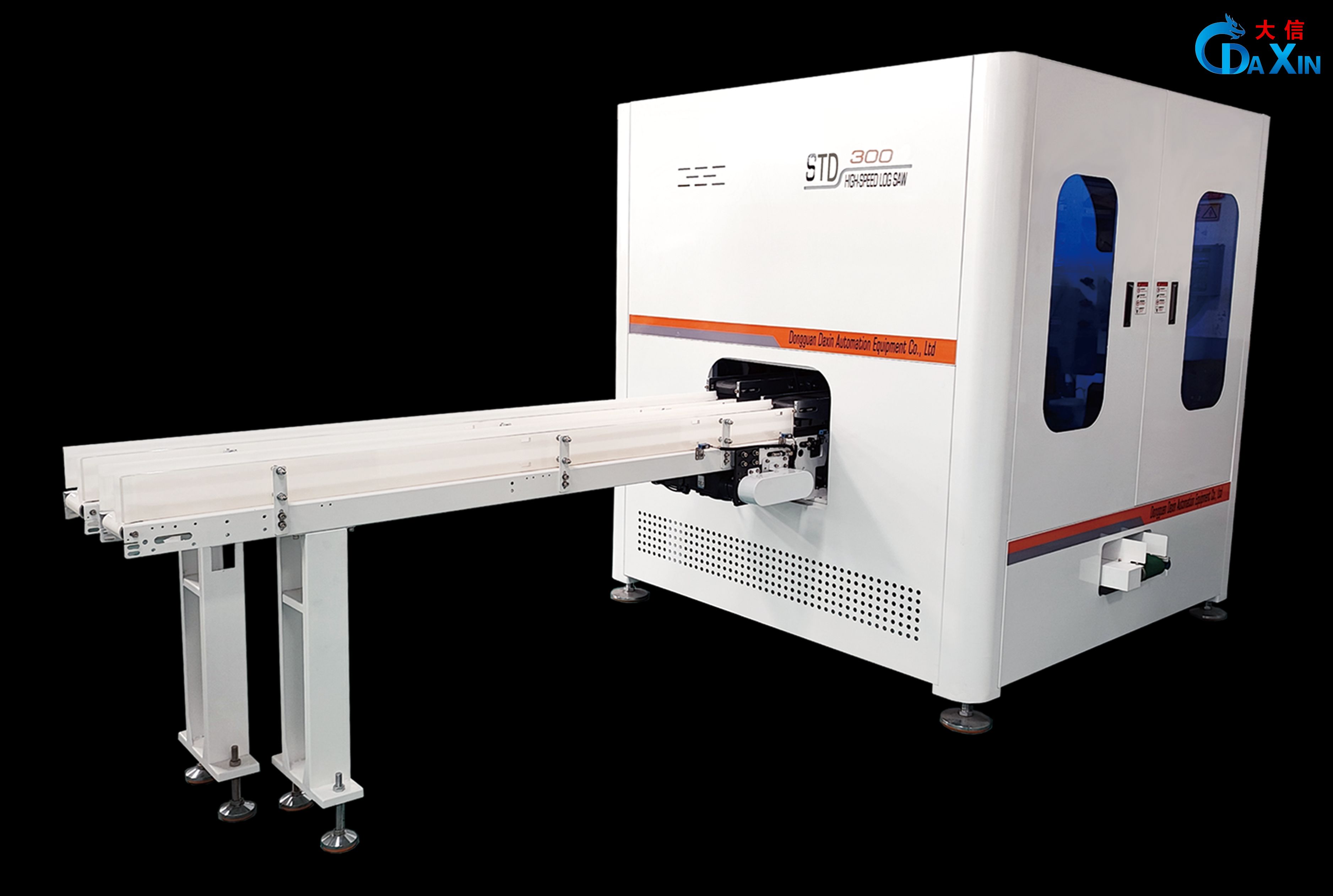
Most dual channel surgical blades leaving the factory floor don't travel under their own name. They move in bonded cartons stacked eight high, each blade sealed in a foil pouch that carries a lot number, sterilization date, and a destination code that means little until the shipment hits the port. The first real handoff happens at the export agent's warehouse, where cartons are re-labeled for the buyer's market and matched against a packing list that often still has handwritten corrections.
From there the chain splits into two lanes. Air freight handles urgent hospital orders and low-volume specialty blades, while sea freight carries the bulk loads bound for regional distributors. Both lanes face the same pinch points: customs holds for medical device registration, temperature checks if the shipment passes through a hot climate, and last-minute requests for certificates of origin. A single missing page in the technical file can stall a container for ten days.
At the far end, brokers hand the cartons to local distributors who repackage blades into smaller counts for clinics. It's rarely a clean chain. Some orders get consolidated mid-route, others are split at a free trade zone, and a few cartons always seem to arrive with shipping labels peeling off. What keeps it moving is a mix of routine paperwork and personal relationships—phone calls between freight forwarders, tea with a customs broker, and an export manager who knows which port inspector checks blade counts against the invoice.
Fewer Passes, Less Trauma: What Laparoscopic Teams Observe
In the middle of a long case, a scrub nurse once pointed out that the instrument tray barely needed restocking. That small comment captures what laparoscopic teams notice first: the number of passes between surgeon and assistant drops sharply compared to open procedures. Instead of handing off clamps and retractors every few seconds, the team watches the surgeon work through a screen, making precise movements with long-shafted tools. Fewer passes mean less back-and-forth, fewer chances for a tool to slip or a glove to tear, and a quieter room where people can actually follow the anatomy on the monitor.
Beyond the mechanics, the reduced tissue handling shows up in ways that don’t make it into the operative note. Recovery nurses see less bruising around the incisions, and patients ask for fewer pain medications in the first hours after waking. Laparoscopic teams often describe a shift in their own focus: rather than managing exposure with big retractors and sponges, they spend more energy watching for subtle color changes on the bowel or a small vessel that needs careful sealing. The trauma isn’t just about smaller cuts on the outside—it’s about how gently the internal tissues are touched, and that gentleness becomes a shared habit rather than a checklist item.
Interestingly, experienced laparoscopic circulators say they can feel the difference in the room’s rhythm. With fewer instrument exchanges, there’s less door opening, less running for extra sutures, and fewer interruptions for the anesthesia team. One surgical tech compared it to the difference between driving on a highway versus navigating city traffic: both get you there, but the smooth flow leaves everyone less drained. That collective observation—fewer passes, less trauma—turns into a preference that shapes how teams schedule cases, train new members, and talk about what “good surgery” actually feels like in real time.
Thermal Spread and Why Dual Channels Make a Difference
When memory chips are packed onto a single stick, the heat they generate has nowhere to go except into the PCB and the surrounding air gap. Dual-channel operation splits that load across two physical modules, giving each stick its own thermal envelope. The result is a wider heat footprint that drops peak temperatures at the chip surface, especially in sustained read/write bursts.
That lower peak temperature matters more than average figures suggest. A lone module can develop a hot spot near the voltage regulation circuitry, which pushes refresh timing and error rates in unpredictable directions. Running two sticks in dual channel halves the per-module access frequency, so no single row of chips stays active long enough to build the same concentrated thermal stress.
In a cramped build or a passively cooled case, that difference translates into fewer throttling events and more headroom for overclocking. Spacing the modules properly lets each stick breathe, and the thermal spread from dual channels often means you can drop fan speeds or skip an active cooler entirely.
Vetting an Exporter for Minimally Invasive Instrumentation
Supplier credibility in the niche of minimally invasive instrumentation often rests on documentation that goes beyond a polished catalog. Request verifiable evidence of regulatory filings, such as CE marking technical files or FDA 510(k) summaries, and cross-check the named legal manufacturer against public databases. A genuine exporter will readily share traceability records for raw materials and sterilization validation reports, while those relying on vague assurances should be approached with caution.
Evaluate the exporter's grasp of clinical nuance by asking targeted questions about shaft stiffness, jaw articulation limits, and insulation integrity under repeated autoclave cycles. The most dependable partners can explain how their instruments perform in procedures like laparoscopic cholecystectomy or robotic-assisted hysterectomy, and they often provide third-party test data for torque transmission and insulation breakdown. Watch for distributors who only repeat marketing slogans without engaging on technical trade-offs.
Finally, examine the exporter's post-shipment support structure. Minimally invasive tools face exacting reprocessing demands, so inquire about complaint handling timelines, replacement instrument availability, and whether the exporter maintains a local technical representative for on-site training. A trustworthy exporter will have a documented corrective and preventive action process, not just a sales hotline, and will be transparent about country-of-origin subcomponents that affect warranty coverage.
Operating Room Insights from Dual Channel Cutter Users
Surgeons who switch to a dual channel cutter often notice the reduced need for instrument exchanges during long procedures. Instead of pausing to swap between suction and cutting tools, one hand movement keeps the field clear while dissection continues. That simple change shortens the time the wound is open and lets the team stay focused on the anatomy rather than the tray.
In laparoscopic cases, nurses report fewer interruptions because the dual channel design removes the usual tug-of-war between irrigation and cutting. The separate lumens let smoke evacuation run continuously without clogging the cutting port. Residents learn faster when they don't have to compensate for a single-lumen device that stalls mid-pass through dense tissue.
Post-op debriefs mention less charring at the margins, which makes the pathologist's job easier and reduces cleanup time. One general surgeon noted that the dual channel cutter felt less like a compromise tool and more like having two instruments in one hand. For busy operating rooms, that reliability translates into fewer delays and a calmer rhythm through the day's schedule.
FAQ
It allows surgeons to simultaneously cut and seal tissue through two separate working channels, which reduces the need for instrument swaps and keeps the operative field clearer during procedures like laparoscopic or endoscopic surgery.
By separating the cutting and sealing functions into parallel channels, the device gives the operator better control over energy delivery and tissue tension. This helps avoid thermal spread to nearby structures and makes the cut line more predictable.
It is especially useful in advanced laparoscopic and robotic-assisted operations, including colorectal resections, gynecological procedures, and bariatric surgery, where precise tissue transection and reliable hemostasis are critical.
The cutting components are typically made from medical-grade stainless steel or titanium, while the outer shaft uses biocompatible polymers. Most models are supplied non-sterile and validated for steam autoclaving, but some single-use versions are gamma sterilized.
Yes, many exporters offer adjustable shaft lengths, rotating tips, and compatibility adapters for common electrosurgical generators. Custom packaging and private labeling are also available for bulk orders.
Reputable exporters usually provide clinical training videos, in-service support for operating room staff, and a warranty covering manufacturing defects. Some also offer on-site demonstrations for first-time buyers.
The dual channel setup lets the surgeon apply bipolar or advanced bipolar energy through one channel while the mechanical cutting blade advances through the other, sealing vessels before transection and minimizing blood loss.
Buyers should confirm that the exporter holds ISO 13485 certification for medical device quality management and that the product carries a CE mark or FDA clearance depending on the destination market.
Conclusion
The performance of a dual channel tissue cutter hinges on how the cutting channel geometry stabilizes tissue before the blade engages. Exporters focused on advanced minimally invasive surgery build these channels with precise lateral support, so tissue does not shift or bunch during activation. That stability allows laparoscopic teams to complete dissections in fewer passes, reducing the cumulative mechanical trauma that slows recovery. In practice, surgeons observe cleaner margins and less charring because the dual channel design limits thermal spread more effectively than single channel alternatives. The second channel actively dissipates heat and carries away debris, which keeps the cutting site cooler and preserves surrounding healthy tissue.
Selecting an exporter for these instruments means evaluating more than catalog specifications. Operating room feedback consistently highlights the importance of blade alignment, channel surface finish, and consistency across production batches. A reliable exporter provides documentation on thermal testing, material traceability, and failure mode analysis without being prompted. Users also note that dual channel cutters reduce instrument exchanges during a procedure, which shortens anesthesia time and lowers infection risk. Vetting should include direct conversation with clinical engineering teams and a review of complaint handling. When the export chain is transparent and the channel geometry is machined tight, the clinical difference becomes obvious: less traction on tissue, less collateral heating, and a smoother workflow for the entire minimally invasive team.
Contact Us
Contact Person: Sam Xie
Email: [email protected]
Tel/WhatsApp: 86-18938538530
Website: https://www.daxin321.com/