

Copper Pipe Wholesale: Essential Tips and Best Practices
2026-01-14
When it comes to copper pipe wholesale, navigating the complexities can be daunting—from sourcing high-quality materials to ensuring cost-effectiveness without compromising on durability. But what if there was a way to streamline this process and gain access to premium solutions that stand the test of time? Enter Jiangsu Baowu New Materials, a leader in innovative materials that redefine industry standards. In this blog, we'll uncover essential tips and best practices for copper pipe wholesale, blending expert insights with real-world applications to help you make informed decisions. Whether you're a seasoned professional or new to the field, you'll discover how to optimize your procurement strategy and leverage cutting-edge advancements. Ready to elevate your projects? Let's dive in!
Understanding Copper Pipe Grades and Applications
Copper pipes come in various grades, each tailored to specific uses in plumbing, HVAC, and industrial systems. For instance, Type M is commonly used in residential water lines due to its thinner walls and cost-effectiveness, while Type L, with thicker walls, is preferred for high-pressure applications or where durability is a priority. Type K, the thickest available, is often specified for underground installations or in harsh environments where corrosion resistance is crucial. Understanding these distinctions helps professionals select the right grade to ensure safety, efficiency, and compliance with local building codes, preventing issues like leaks or premature wear.
In practical terms, copper pipe applications extend beyond mere water supply. For example, in heating systems, copper's excellent thermal conductivity makes it ideal for radiators and boilers, promoting energy efficiency. In refrigeration, copper pipes are favored for their ability to withstand temperature fluctuations without cracking, which is vital for air conditioning units. Moreover, copper's natural antimicrobial properties, especially in potable water systems, reduce the risk of bacterial growth, enhancing hygiene in homes and hospitals. This versatility underscores why copper remains a top choice despite the rise of alternative materials.
To truly grasp copper pipe grades, it's worth noting how they interact with other system components. For instance, Type L copper, often used in commercial buildings, pairs well with fittings designed for high-strength joints, minimizing the risk of failures under stress. In retrofit projects, selecting the appropriate grade can prevent compatibility issues with existing infrastructure, saving time and resources. By considering factors like wall thickness, pressure ratings, and environmental conditions, users can optimize performance, leading to longer-lasting installations and reduced maintenance costs over time.
Key Factors in Sourcing High-Quality Wholesale Copper Pipes
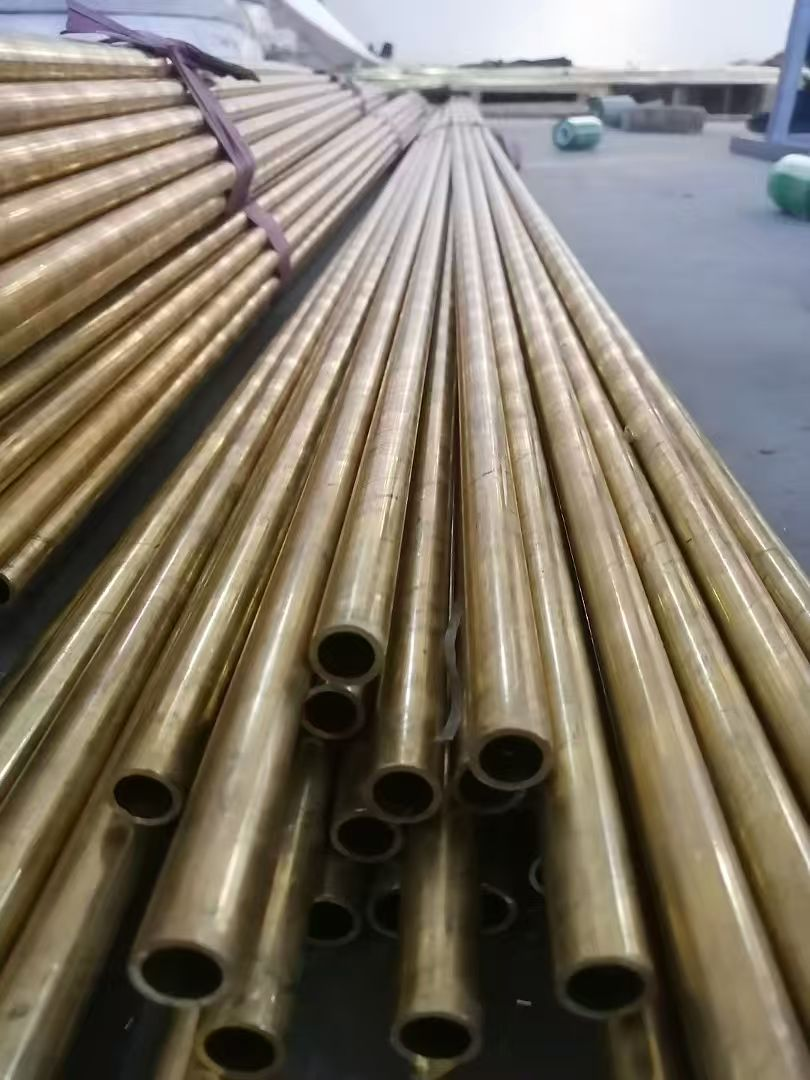
When you're in the market for wholesale copper pipes, the quality of your supplier can make or break your project. Beyond just checking prices, savvy buyers dig into factors like the supplier's track record for reliability, how transparent they are about material certifications, and their ability to handle large, consistent orders. It's not just about getting a good deal; it's about securing pipes that meet stringent industry standards without unexpected delays, ensuring your plumbing or HVAC systems run smoothly for years.
Another key aspect is the origin and composition of the copper itself. High-grade pipes typically come from refined copper with low impurity levels, which affects durability and corrosion resistance. Look for suppliers who source from reputable mines or mills and can provide detailed specs on alloy types, such as whether it's pure copper or a blend like copper-nickel. This attention to detail helps avoid issues like leaks or reduced efficiency down the line, making it a smart investment in long-term performance.
Don't overlook logistics and support when evaluating suppliers. A top-notch wholesaler often offers flexible shipping options, clear return policies, and responsive customer service to handle any concerns. For instance, how quickly can they restock if you run short on a job? By prioritizing these factors alongside quality checks, you'll build a reliable partnership that keeps your operations seamless and competitive in the market.
Storage and Handling Best Practices to Prevent Damage
Proper storage and handling are crucial for protecting items from damage, whether they're fragile electronics, delicate goods, or everyday tools. Start by selecting a clean, dry environment with stable temperature and humidity control to prevent issues like rust, mold, or warping. Avoid areas prone to moisture, direct sunlight, or extreme temperature swings, which can degrade materials over time. For sensitive equipment, consider using climate-controlled facilities or sealed containers with desiccants to absorb excess moisture. It's also wise to keep items off the floor on racks or shelves to reduce the risk of water damage and pests. Regularly inspect storage spaces for signs of wear or contamination, and rotate stock if applicable to ensure older items don't sit too long. By creating a tailored storage plan, you can significantly extend the lifespan of your assets and minimize costly repairs or replacements.
Effective handling techniques go hand-in-hand with good storage to further prevent damage. Always train staff or users on safe procedures, emphasizing the use of proper tools like dollies, carts, or gloves rather than lifting items manually when possible. For fragile items, employ cushioning materials such as bubble wrap, foam inserts, or padding during transport to absorb shocks and vibrations. Labeling packages clearly with "Fragile" or "Handle with Care" can alert handlers to take extra precautions. When moving items, avoid sudden movements or stacking heavy objects on top of lighter ones, which can cause crushing or breakage. In industrial settings, follow manufacturer guidelines for weight limits and balance points to prevent structural strain. Implementing a system for tracking handling incidents can help identify recurring issues and improve protocols, ensuring that every touchpoint prioritizes safety and integrity.
To stand out in best practices, integrate innovative strategies that adapt to specific needs. For example, for high-value or sensitive inventory, consider using IoT sensors to monitor conditions like humidity, light, and movement in real-time, allowing for proactive adjustments. Customize handling protocols based on item type—such as using antistatic measures for electronics or UV-protective packaging for light-sensitive materials. Encourage a culture of responsibility by involving team members in regular audits and feedback sessions to refine practices. Additionally, explore sustainable options like reusable packaging or eco-friendly materials that protect while reducing environmental impact. By blending traditional methods with modern insights, you can create a robust framework that not only prevents damage but also enhances efficiency and reliability, making your operations more resilient and competitive in the long run.
Effective Inventory Management for Wholesale Copper Pipe Operations
Managing inventory isn't just about counting what's on the shelves; for copper pipe wholesalers, it's the backbone of keeping projects on schedule and avoiding costly delays. Striking that perfect balance between having enough stock to meet sudden demand from new construction or repairs and not tying up too much capital in unsold materials requires a keen eye on market trends and supplier reliability. Many operations find that implementing real-time tracking systems significantly reduces the risk of running short during peak seasons or, conversely, ending up with excess that takes up valuable warehouse space.
Beyond just tracking numbers, successful inventory strategies often involve segmenting pipes by type, diameter, and application—whether it's for plumbing, HVAC, or industrial uses. This allows for more accurate forecasting and quicker response times when clients need specific grades like Type M or L. Some wholesalers have adopted a just-in-time approach, coordinating closely with manufacturers to receive shipments as orders come in, which minimizes storage costs and reduces the chance of damage or corrosion over time, especially in fluctuating climates.
Technology plays a crucial role here, but it's not just about fancy software; it's about integrating data from sales teams, historical usage patterns, and even weather forecasts that might impact demand. Regular audits and visual checks prevent discrepancies that automated systems might miss, ensuring that inventory levels align with actual business needs. By focusing on these tailored practices, wholesalers can not only improve cash flow but also build stronger relationships with contractors and builders who rely on timely, accurate deliveries to keep their own projects moving forward smoothly.
Building Strong Supplier Relationships in the Copper Pipe Market
In the copper pipe market, cultivating robust supplier relationships goes beyond mere transactional exchanges; it's about forging partnerships that drive mutual growth and stability. When you invest time in understanding your suppliers' operations and challenges, you can anticipate supply chain disruptions and collaborate on solutions, ensuring a steady flow of high-quality materials even during market fluctuations. This proactive approach not only minimizes delays but also fosters loyalty, as suppliers are more likely to prioritize your needs when they feel valued and understood. By viewing suppliers as strategic allies rather than just vendors, you create a resilient network capable of weathering industry changes together.
Effective communication is the cornerstone of these relationships, as it transforms ordinary dealings into long-term collaborations. Regular, open dialogues about product specifications, pricing, and delivery timelines help align expectations and prevent misunderstandings that could strain partnerships. Sharing forecasts or market insights enables suppliers to adjust their production plans accordingly, reducing waste and enhancing efficiency for both parties. Moreover, this transparency builds trust, encouraging suppliers to go the extra mile—whether through flexible payment terms or custom order handling—strengthening your competitive edge in a crowded marketplace.
To truly stand out, consider integrating sustainability and innovation into your supplier engagements. Many copper pipe suppliers are now adopting eco-friendly practices, and partnering with those who prioritize responsible sourcing can boost your brand's reputation and meet growing consumer demands for green products. Collaborating on research and development for new materials or improved manufacturing techniques can also yield unique offerings that set you apart from competitors. By fostering a culture of continuous improvement and shared values, these relationships evolve into dynamic engines of progress, securing not just supplies but a forward-thinking advantage in the ever-evolving copper industry.
Navigating Pricing and Market Trends for Copper Pipe Purchases
Copper pipes remain a staple in plumbing and HVAC systems, prized for their durability and reliability, but their market can be as unpredictable as a sudden storm. When diving into copper pipe purchases, it's crucial to keep an eye on global economic shifts—factors like supply chain disruptions, trade policies, and mining output in countries like Chile and Peru often send ripples through pricing.
Beyond raw material costs, savvy buyers should consider seasonal trends; for instance, construction booms in spring and summer might spike demand, nudging prices upward. Engaging with suppliers who offer flexible contracts or bulk discounts can cushion against these fluctuations, making your budget more resilient.
Staying updated with industry reports from sources like the London Metal Exchange or trade publications helps anticipate changes, ensuring you're not caught off guard by a sudden price hike. Balancing cost with quality and availability ensures your projects stay on track without compromise.
FAQ
Copper pipes offer superior durability, corrosion resistance, and excellent thermal conductivity, making them a top choice for plumbing and HVAC systems. Wholesale buyers benefit from bulk discounts, consistent quality, and reliable supply chains, ensuring cost savings and project efficiency without compromising on performance.
Always check for industry certifications like ASTM B88 or EN 1057, which indicate adherence to standards. Inspect the pipes for smooth interiors, uniform thickness, and proper labeling. Request samples or visit the supplier's facility to assess manufacturing processes and test reports for copper purity and pressure ratings.
Evaluate the supplier's reputation, delivery reliability, and customer service. Compare pricing structures, including bulk discounts and shipping costs. Ensure they offer a range of sizes and types, such as Type L or M, and provide technical support or warranties to back their products for long-term reliability.
Avoid suppliers with inconsistent quality or poor communication. Don't overlook hidden fees like handling charges or long lead times. Steer clear of overly cheap options that may indicate inferior materials. Always plan for storage needs to prevent damage from environmental factors like moisture or extreme temperatures.
Store pipes in a dry, covered area to prevent oxidation or physical damage. Use proper racks or pallets to keep them off the ground and organized by size. Handle with care during transport to avoid bending or scratching, and implement inventory tracking to manage stock levels efficiently and reduce waste.
Sustainability is driving demand for recyclable materials and eco-friendly practices. Technological advancements in pipe manufacturing, like improved alloy blends, enhance performance. Market volatility in copper prices encourages buyers to lock in contracts or explore flexible purchasing options to manage costs effectively.
Conclusion
Copper pipe wholesale requires a comprehensive understanding of material grades and their specific applications, as selecting the right type ensures optimal performance in various settings, from plumbing to HVAC systems. When sourcing high-quality wholesale copper pipes, key factors such as material purity, manufacturing standards, and certifications must be considered to guarantee durability and reliability. Additionally, effective storage and handling practices are essential to prevent damage and maintain the integrity of the pipes during transit and warehousing. By integrating these aspects, wholesalers can lay a strong foundation for efficient operations.
In managing wholesale operations, inventory management plays a crucial role in minimizing waste and ensuring timely availability, while building strong supplier relationships fosters trust and access to better product options. Navigating pricing and market trends enables informed purchasing decisions, helping wholesalers adapt to fluctuations and secure competitive advantages. By combining these strategies, businesses can enhance their market presence and achieve sustainable growth in the competitive copper pipe industry, emphasizing practical solutions over theoretical advice.
Contact Us
Contact Person: Zoe Liang
Email: [email protected]
Tel/WhatsApp: 86 189 2128 6299
Website: https://www.baowuchina.com