

Contact Plate Freezer Factory Solutions for Efficient Cooling Systems
2026-04-18
At the heart of modern industrial efficiency lies the crucial role of advanced cooling systems, and contact plate freezers stand out as a game-changer for businesses seeking rapid, reliable temperature control. As industries worldwide prioritize sustainability and productivity, these innovative solutions offer a seamless path to optimizing operations. At Worldbase, we specialize in cutting-edge factory solutions that not only enhance cooling performance but also drive significant cost savings and environmental benefits. In the upcoming blog post, we'll dive deeper into how contact plate freezer technology can revolutionize your processes, sparking your curiosity with real-world applications and expert insights. Stay tuned to explore why leading companies are turning to these efficient systems for a competitive edge.
Maximizing Efficiency with Contact Plate Freezer Technology
Contact plate freezer technology has revolutionized industrial freezing by utilizing direct contact between metal plates and the product. This method efficiently transfers heat, freezing items quickly and uniformly. Unlike blast freezers that rely on circulating air, plate freezers eliminate air gaps, reducing dehydration and preserving product quality. They're especially effective for flat or packaged goods like fish fillets, meat patties, or vegetables, ensuring a consistent texture and extended shelf life.
To maximize efficiency with contact plate freezers, consider key design factors. Optimizing plate spacing and pressure ensures thorough contact and faster freezing cycles. Energy efficiency can be enhanced by using advanced refrigeration systems that minimize power consumption. Regular maintenance, such as cleaning plates to prevent ice buildup, also boosts performance. These steps help reduce operational costs while maintaining high throughput in food processing.
Innovations in this technology are driving further gains. Modern versions incorporate automation for precise temperature control and flexible configurations. For example, some models adjust plate positions to handle varying product sizes, improving versatility. By integrating these features, businesses can streamline production, reduce waste, and meet growing demand for frozen goods efficiently, making contact plate freezers a smart investment for sustainable operations.
Custom Engineering for Diverse Cooling Applications
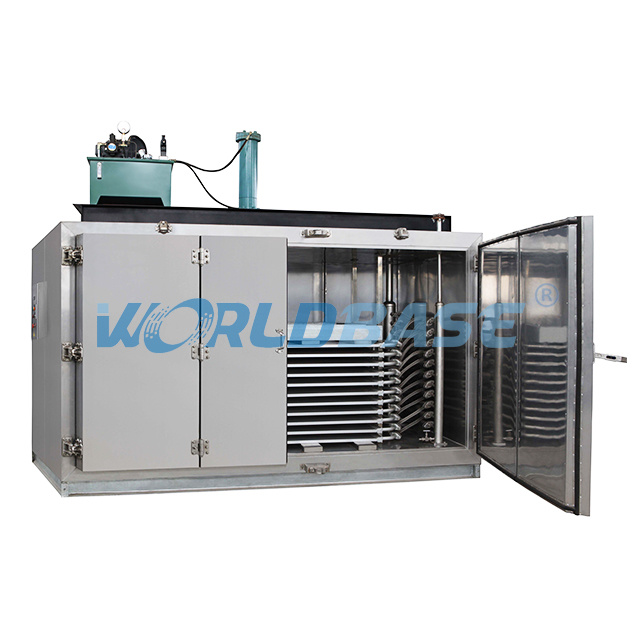
In today's fast-evolving industrial landscape, a one-size-fits-all approach to cooling simply doesn't cut it. That's where custom engineering steps in, transforming generic solutions into precision tools tailored to unique operational demands. By diving deep into each project's specifics—like thermal loads, environmental conditions, and energy constraints—we craft systems that not only cool efficiently but redefine reliability. This bespoke mindset ensures technologies like heat exchangers or chillers perform optimally, adapting seamlessly whether in a bustling data center or a remote wind farm.
What sets apart exceptional cooling applications is the focus on versatility and sustainability. Rather than relying on off-the-shelf components, custom engineering integrates advanced materials and smart controls to handle extreme temperatures or fluctuating demands. Imagine a pharmaceutical facility needing sterile airflow or a renewable energy plant combating heat in harsh climates; our approach prioritizes long-term performance and eco-friendliness, reducing waste and boosting efficiency through innovative designs that others might overlook.
Ultimately, embracing custom solutions means unlocking unparalleled benefits: enhanced durability, lower operational costs, and a perfect fit for niche challenges. By collaborating closely with clients, we turn complex cooling needs into streamlined, resilient systems that stand the test of time and technology shifts. It's not just about cooling—it's about engineering confidence into every application, ensuring your operations run smoothly without compromise.
Reducing Energy Costs in Industrial Freezing Processes
Industrial freezing processes are notorious energy hogs, often accounting for a significant portion of operational expenses in sectors like food processing and pharmaceuticals. Tackling this challenge head-on involves a multifaceted strategy that goes beyond simple temperature adjustments. By integrating advanced insulation materials, such as vacuum panels or aerogels, facilities can dramatically cut down on thermal leakage. Additionally, adopting variable-speed drives for compressors and fans allows systems to adapt in real-time to fluctuating loads, rather than running at full tilt unnecessarily. It's not just about upgrading equipment; it's about rethinking how the entire freezing cycle interacts with the plant's energy grid, potentially syncing operations with off-peak electricity rates to maximize efficiency without compromising product quality.
Another game-changer lies in leveraging data analytics to fine-tune these systems. Implementing IoT sensors throughout the freezing line provides a continuous stream of data on temperature gradients, humidity levels, and equipment performance. This wealth of information enables predictive maintenance, reducing downtime and preventing energy waste from faulty components. For instance, a slight deviation in compressor efficiency can be flagged early, allowing for adjustments before it escalates into a costly energy drain. Moreover, machine learning algorithms can analyze historical patterns to suggest optimized setpoints, ensuring that the freezing process operates at its leanest while maintaining strict safety and quality standards, turning raw data into actionable insights that drive down costs.
Beyond technological tweaks, a holistic approach considers the human element and process flow redesign. Training staff on energy-conscious practices, like minimizing door openings or optimizing batch sizes, can yield surprising savings with minimal investment. Meanwhile, re-evaluating the layout of freezing tunnels or blast freezers might uncover opportunities to reduce air circulation distances or enhance heat recovery from exhaust streams. In some cases, integrating renewable energy sources, such as solar thermal systems, can supplement power needs, especially in sun-rich regions. Ultimately, reducing energy costs isn't a one-size-fits-all solution but a tailored blend of innovation, monitoring, and operational finesse that transforms freezing from a cost center into a strategic efficiency driver.
Ensuring Product Quality Through Rapid Freezing Solutions
Ever wondered how your favorite frozen vegetables maintain that crisp, fresh taste long after harvest? Rapid freezing solutions play a crucial role here, locking in nutrients and flavor by reducing ice crystal formation. This swift process helps preserve texture and color, ensuring that products like berries and seafood stay market-ready for weeks, not just days.
In industries such as pharmaceuticals, rapid freezing goes beyond mere preservation—it safeguards the integrity of sensitive compounds. By minimizing temperature fluctuations, these systems prevent degradation, allowing vaccines and biologics to retain their efficacy from production to administration. It’s a game-changer for quality control in high-stakes environments.
Beyond the technical benefits, adopting advanced freezing methods can enhance brand reputation by consistently delivering superior products. Whether it's gourmet ice cream with a smoother texture or ready-to-eat meals that taste homemade, rapid freezing solutions are the unsung heroes behind the scenes, turning everyday items into premium offerings that stand out on the shelf.
Scalable Designs for Growing Production Demands
In today's fast-paced market, businesses face the constant challenge of adapting to increasing production demands without compromising efficiency or quality. Scalable designs offer a strategic solution by creating flexible frameworks that can expand seamlessly as needs evolve. By implementing modular systems and adaptable infrastructure, companies can handle surges in demand without the disruptive overhaul typically associated with growth.
One key aspect of scalable designs is their ability to integrate new technologies and processes incrementally. This approach not only reduces upfront costs but also minimizes downtime, allowing operations to continue while enhancements are made. For instance, a manufacturing facility might adopt cloud-based data analytics to monitor production lines, enabling real-time adjustments that boost output as demand rises.
Ultimately, embracing scalable designs positions organizations to thrive in dynamic environments. By planning for growth from the outset, businesses can avoid bottlenecks and resource shortages, ensuring a smoother transition during expansion phases. This forward-thinking mindset fosters resilience and long-term success, making it an essential strategy for any enterprise aiming to stay competitive.
Innovative Features for Easy Maintenance and Operation
Our system integrates user-friendly interfaces and smart diagnostics, allowing operators to manage tasks effortlessly with real-time feedback and intuitive controls. This reduces training time and minimizes errors, ensuring smooth day-to-day operations.
For maintenance, we've implemented predictive analytics and modular components that alert technicians to potential issues before they escalate. Features like self-healing circuits and easy-access panels cut downtime significantly, making upkeep straightforward and cost-effective.
Overall, these innovations focus on simplifying complex processes, empowering users with tools that enhance reliability and efficiency without requiring deep technical expertise.
FAQ
Contact plate freezers offer rapid and uniform freezing by placing products between refrigerated plates. This direct contact method ensures efficient heat transfer, reducing processing time and preserving product quality, especially for items like seafood, meat, or ready-to-eat meals.
Contact plate freezers are highly energy-efficient due to their direct cooling mechanism, which minimizes cold air loss. They typically consume less power than blast freezers, leading to lower operational costs and a reduced environmental impact over time.
Yes, many factories offer customizable solutions, including adjustable plate sizes, automated loading systems, and integration with existing production lines. This flexibility allows for scaling operations and meeting unique product requirements efficiently.
Industries such as food processing (for seafood, meat, and vegetables), pharmaceuticals (for temperature-sensitive products), and logistics (for cold chain storage) often benefit. The precise temperature control and fast freezing enhance product safety and shelf life.
By freezing products quickly and evenly, contact plate freezers minimize ice crystal formation, which can damage cell structures. This helps retain texture, flavor, and nutritional value, ensuring high-quality output for sensitive items like berries or delicate proteins.
Regular maintenance includes cleaning plates to prevent buildup, checking refrigerant levels, and inspecting seals for leaks. Proper upkeep prevents downtime and ensures consistent performance, with many factories offering support services for optimal operation.
Recent innovations include smart sensors for real-time temperature monitoring, energy recovery systems to reuse waste heat, and modular designs for easier upgrades. These advancements enhance efficiency and adaptability in modern cooling systems.
Conclusion
Contact plate freezer factory solutions offer a comprehensive approach to efficient cooling systems, combining advanced technology with tailored engineering to meet diverse industrial needs. By leveraging contact plate freezer technology, these systems maximize efficiency through direct surface contact, ensuring rapid heat transfer and uniform freezing. This not only enhances operational performance but also significantly reduces energy costs, making them ideal for industrial freezing processes where cost-effectiveness is paramount. Custom engineering further allows for adaptation to specific cooling applications, whether in food processing, pharmaceuticals, or other sectors, ensuring that each solution is optimized for unique requirements.
Ensuring product quality is a key benefit, as rapid freezing solutions minimize ice crystal formation, preserving texture and nutritional value. Scalable designs support growing production demands, allowing facilities to expand without compromising efficiency. Additionally, innovative features simplify maintenance and operation, reducing downtime and improving overall reliability. By integrating these aspects, contact plate freezer factory solutions stand out for their ability to deliver consistent, high-quality results while promoting sustainability and ease of use in demanding environments.
Contact Us
Contact Person: Mr Yang
Email: [email protected]
Tel/WhatsApp: +8613809083091
Website: https://en.worldbase.cn