

China Water Treatment Chemicals: Market Insights and Future Outlook
2026-06-17
China’s water treatment chemicals market is undergoing a transformative shift, driven by stricter environmental regulations and rapid industrialization. As industries scramble to balance cost, efficiency, and sustainability, a new landscape of opportunities and challenges is emerging. From advanced coagulants to eco-friendly biocides, the race for innovation is intensifying. At the heart of this evolution, EVO tracks the currents shaping tomorrow’s solutions—uncovering what’s really driving change and where the market is headed next.
Drivers Reshaping China’s Water Treatment Chemical Demand
China's push toward stricter environmental enforcement has fundamentally altered the water treatment chemical landscape. The implementation of upgraded discharge standards, particularly for heavy metals and organic pollutants, has forced industries to rethink their treatment regimes. This regulatory shift has created sustained demand for advanced coagulants, flocculants, and biocides, as facilities race to comply with the latest effluent limits.
Rapid urbanization and the expansion of industrial parks in inland provinces are reshaping regional consumption patterns. Newly built manufacturing bases, often located in water-stressed areas, require robust water recycling systems. This has spurred the adoption of corrosion inhibitors, scale inhibitors, and reverse osmosis chemicals, as plants seek to maximize water reuse and minimize freshwater intake.
The rise of high-tech manufacturing, such as semiconductor and pharmaceutical production, is driving demand for ultra-pure water chemicals. These industries require water with extremely low levels of particulates and dissolved ions, pushing the development of niche products like ultrapure hydrogen peroxide and specialty ion exchange resins. This trend is gradually pulling the overall market toward higher-value, customized chemical solutions.
Key Chemical Categories Powering Purification Advancements
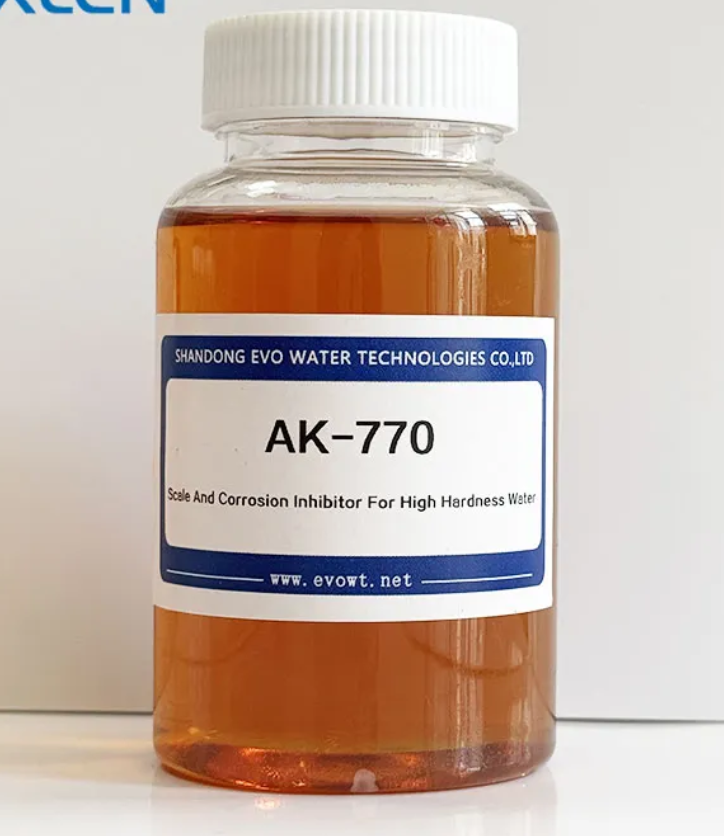
Advanced oxidation processes have surged forward with novel photocatalytic materials, where metal-organic frameworks and doped titanium dioxide composites break down recalcitrant pollutants under visible light. These engineered structures offer tunable band gaps and high surface areas, enabling efficient generation of hydroxyl radicals that mineralize contaminants in minutes rather than hours.
Meanwhile, bio-based chelators and modified cyclodextrins are redefining heavy metal sequestration. Unlike conventional resins, these supramolecular hosts form selective inclusion complexes with toxic ions like lead and mercury, even in briny or highly competitive matrices, and can be regenerated with benign pH shifts—closing the loop on adsorbent waste.
On the membrane frontier, zwitterionic and graphene oxide-functionalized polymers resist fouling while sustaining ultrahigh permeance. Their chemically tailored surface charges and nanostructured water channels reject salts, dyes, and emerging contaminants with a precision that blurs the line between nanofiltration and reverse osmosis, all while operating at lower pressures that slash energy footprints.
Regional Hotspots and Industrial Consumption Patterns
Across the globe, certain regions have emerged as focal points for industrial activity, each characterized by unique consumption patterns. The Rhine-Ruhr metropolitan area in Germany, for instance, remains a powerhouse of heavy industry, where steel and chemical plants drive an insatiable demand for electricity and raw materials. Meanwhile, the Pearl River Delta in China hums with electronics manufacturing, its factories consuming vast quantities of semiconductors and rare earth metals. These hotspots are not merely geographic—they represent dense networks of supply chains and skilled labor that sustain specific industrial diets.
Shifts in these patterns often ripple outward, reshaping regional economies. The decline of coal in Appalachia dismantled a consumption ecosystem built around mining equipment and rail transport, while the rise of renewable energy in Denmark's Jutland peninsula created new demand for fiberglass and offshore engineering services. What's striking is how industrial consumption becomes embedded in local identity, from the automotive culture of Stuttgart to the aerospace cluster in Toulouse. Each hotspot develops a rhythm of resource use that reflects its heritage and technological path.
Understanding these dynamics is key for businesses navigating global markets. A textile hub in Tamil Nadu may suddenly pivot to recycled polyester, altering its chemical intake overnight. Similarly, the expansion of cloud computing centers in Northern Virginia has turned electricity and water into contested resources. Industrial consumption patterns are never static—they evolve with innovation, regulation, and the constant push for efficiency. Mapping these hotspots reveals not just where industry lives, but how it thinks and breathes.
Regulatory Shifts and Their Impact on Market Dynamics
When governments recalibrate their regulatory frameworks, the ripple effects often reshape entire industries in ways that were hard to predict. For instance, tightened environmental standards can abruptly phase out legacy technologies, forcing companies to innovate or face obsolescence. At the same time, these shifts create openings for nimble newcomers who can align with the new rules faster than entrenched players. The result is a sudden reordering of competitive hierarchies, where market leaders can find themselves displaced not by direct rivals but by the sheer force of legislative change.
Beyond the immediate compliance scramble, regulatory pivots tend to redraw the boundaries of risk and opportunity. A sector that was once predictable may become volatile overnight, as investors reassess the long-term viability of business models that are now out of sync with policy directions. Consider how data privacy laws have turned consumer information from a free resource into a carefully guarded asset, fundamentally altering the revenue levers for advertising-dependent firms. Such transformations don’t just shuffle market shares; they often spawn entirely new categories of service providers who specialize in bridging the gap between old practices and new mandates.
It’s also worth noting that the influence of regulation is rarely confined to a single geography. When a major economy enacts stringent standards, it frequently sets a de facto benchmark that global supply chains must meet to retain access. This extraterritorial spillover means that even local players in distant markets can feel the shockwaves, pushing them toward upgrades they might have otherwise deferred. In this way, regulatory evolution acts as a silent conductor, orchestrating shifts in production, trade flows, and investment patterns across borders, often with a pace and intensity that pure market forces would struggle to achieve.
Sustainable Solutions Gaining Traction in Chemical Formulations
It's no longer just a niche concern. Formulators are now actively redesigning products from the molecule up, swapping out petrochemical building blocks for plant-based alternatives without sacrificing performance. A cleaning fluid might now rely on fermentation-derived solvents that break down harmlessly after use, mirroring the efficacy of their synthetic predecessors while aligning with tightening disposal regulations.
One area where this shift is unmistakable is in surfactants. The newest generation uses feedstocks like algae or agricultural waste, sidestepping palm oil controversies and reducing the carbon footprint of every bottle. These bio-based wetting agents can be tuned to foam precisely as needed, and they’re finding their way into everything from industrial degreasers to gentle personal care products. It’s an approach that treats sustainability less as a trade-off and more as a design opportunity.
What’s accelerating adoption is the realization that greener doesn’t mean pricier in the long run. As supply chains mature, the cost gap with conventional ingredients is narrowing fast. Chemical companies are locking in multi-year contracts for recycled and renewable raw materials, while downstream brands lean into transparent labeling that resonates with both institutional buyers and everyday shoppers. The conversation has moved from “why should we switch?” to “how quickly can we scale up?”—a sign that these solutions are becoming the new baseline.
Projected Growth Avenues and Investment Frontiers Through 2030
By 2030, capital is expected to flow toward sectors that fuse technological breakthrough with societal urgency. Clean hydrogen, next-generation battery storage, and bioengineered materials are moving beyond pilot stages, attracting patient capital from sovereign funds and institutional investors seeking asymmetric returns. These are not mere speculative plays; the underlying innovation curves are steepening as production costs decline and regulatory frameworks solidify, creating an environment where first-mover advantages could be decisive.
Geopolitical realignments are also redrawing the map of opportunity. Supply chain sovereignty has become a boardroom priority, accelerating investment in regional semiconductor fabrication, rare-earth processing, and localized pharmaceutical manufacturing. Frontier markets with young demographics and improving governance are quietly building the infrastructure for digital economies, offering ground-floor entry points for investors who can stomach volatility. The convergence of digital identity systems, mobile money, and AI-driven services in these regions suggests a leapfrog dynamic that mirrors earlier mobile revolutions but at a far larger scale.
Meanwhile, the collision of climate adaptation and data infrastructure is spawning an underappreciated asset class. Water recycling technologies, precision agriculture sensors, and wildfire prediction systems are attracting venture funding at rates that recall the early cloud computing era. As physical risks intensify, the insurance-linked securities market is broadening to include climate resilience bonds, furnishing institutional portfolios with non-correlated exposure. Navigating this landscape demands a mental model shift—from chasing consensus growth to underwriting transformative capacity gaps that many market participants still underestimate.
FAQ
Rapid industrialization and urbanization have significantly increased water pollution, prompting stricter environmental regulations. The government's push for sustainable water management and the need to treat wastewater from expanding manufacturing sectors are key growth drivers.
China has developed a robust domestic production base for most water treatment chemicals, reducing import reliance. This local capacity ensures stable supply and competitive pricing, though high-end specialty chemicals may still require foreign technology collaboration.
The industrial sector, particularly power generation, petrochemicals, and textiles, accounts for the largest share. Municipal water treatment is also a major consumer, driven by urban population growth and drinking water safety standards.
Tightening enforcement of the Water Pollution Prevention and Control Law has compelled industries to adopt advanced treatment processes. Non-compliance penalties have become more severe, directly boosting demand for high-efficiency coagulants, flocculants, and biocides.
There's a growing emphasis on biodegradable and less toxic alternatives, spurred by both regulatory support and corporate ESG goals. Research into natural polymers and enzymatic treatments is gaining traction, though cost and performance parity remain challenges.
Foreign firms often encounter intense price competition from local manufacturers and complex regulatory approvals. Building relationships with state-owned utilities and adapting formulas to meet unique local water quality conditions are essential for market penetration.
The adoption of IoT sensors and data analytics allows real-time monitoring of water quality, enabling precise chemical dosing. This reduces waste and operational costs, shifting demand toward customized chemical solutions and performance-based service contracts.
Conclusion
China's water treatment chemical sector is undergoing a profound transformation, propelled by tightening environmental regulations and escalating industrial demand. The drivers reshaping demand are multifaceted: rapid urbanization strains municipal water systems, while industries from power generation to textiles face stricter discharge standards. This has sparked innovation in key chemical categories—coagulants, flocculants, biocides, and scale inhibitors are being refined to handle complex contaminants. Notably, regional disparities in economic activity create distinct consumption patterns; coastal manufacturing hubs like Shandong and Zhejiang exhibit voracious chemical usage, whereas inland areas prioritize cost-effective solutions for agricultural runoff. Regulatory shifts, such as the updated "Water Pollution Prevention and Control Action Plan," are compressing compliance timelines, forcing end-users to adopt advanced treatment regimes that blend traditional chemicals with novel formulations.
Amid these dynamics, sustainability is emerging as a pivotal theme. Bio-based and biodegradable chemicals are gaining traction, gradually displacing conventional petroleum-derived options in sensitive applications. The market is also witnessing a surge in multifunctional products that reduce overall chemical footprints, aligning with China's carbon neutrality goals. Looking toward 2030, investment frontiers are expanding beyond municipal water treatment into specialized domains like zero liquid discharge systems for energy projects and high-purity water for semiconductor fabrication. The convergence of intelligent dosing systems enabled by IoT and data analytics promises to unlock further efficiencies, positioning China's water treatment chemical industry not only as a domestic necessity but a global innovation benchmark. This trajectory offers fruitful avenues for stakeholders attuned to the interplay of regulation, technology, and environmental stewardship.
Contact Us
Contact Person: Fiona Su
Email: [email protected]
Tel/WhatsApp: 8619963724144
Website: https://www.evo-chemical.com/