
China Paper Packaging Is the Driving Force Behind Eco-Friendly Packaging Solutions
2026-11-02
When it comes to sustainable packaging, few forces are reshaping the global landscape as swiftly as China’s paper packaging sector. From recyclable corrugated solutions to lightweight molded fiber, the industry is turning bold eco-ambitions into everyday reality. At the heart of this shift, Imagine Craft Packaging stands ready to bridge innovation and responsibility—but what exactly makes this movement a genuine driving force rather than just another green trend? Let’s unpack the material evidence.
China's Paper Packaging Might Is Reshaping Global Sustainability
Walk through a supermarket aisle in Berlin or unpack a delivery in São Paulo, and you are likely holding a box that began its life in a Chinese mill. The sheer volume of paper packaging flowing out of China has turned the country into the quiet engine of global packaging supply, but its influence runs deeper than tonnage. Chinese manufacturers are now setting the practical benchmarks for recycled content, lightweight board, and water-based inks, pushing suppliers from Scandinavia to Brazil to match their cost structures and environmental specs.
What sets this shift apart is the integration of circular thinking at a scale few other nations can replicate. Mills in Shandong and Guangdong run on recovered fiber collected from domestic urban waste streams, effectively closing a loop that reduces pressure on virgin forests in Southeast Asia and North America. At the same time, stricter local emissions rules and rising energy costs have forced rapid adoption of biomass boilers and closed-loop water systems, creating a ripple effect: European brands that source from China now advertise lower carbon footprints without having to build their own recycling infrastructure.
Skeptics point to long shipping distances and the carbon cost of transport, yet the math is shifting. A container of flat-packed e-commerce boxes from Ningbo to Rotterdam can carry more protective volume per ton of CO2 than regional production using virgin pulp. As Chinese producers move toward bamboo and agricultural residue fibers, the sustainability equation tilts further. The result is a global packaging landscape where environmental standards are no longer dictated solely by Western regulators, but increasingly by the practical, high-volume choices made in Chinese mill towns.
The Policy Push Quietly Making Chinese Paper the Green Default
For years, Chinese paper mills were synonymous with the kind of industrial sprawl that turned rivers black and skies gray. But a quiet shift in policy has begun to redraw that picture. Instead of grand announcements or splashy green campaigns, regulators have embedded environmental preferences deep into procurement rules, tax codes, and even domestic trade standards. The result is that a growing share of the paper used in Chinese offices, schools, and packaging now comes from mills that meet surprisingly strict sustainability benchmarks—often without the end buyer ever noticing.
What makes this push unusual is its reliance on indirect levers. Rather than banning dirty mills outright, the government has made it financially painful to stay inefficient. Preferential loans, faster environmental permits, and priority access to state purchasing contracts now flow almost exclusively to producers that use recycled fiber or certified plantation wood. At the same time, local governments are measured on air and water quality targets tied to industrial upgrades, so they have their own reasons to nudge factories toward cleaner pulping processes. The change isn't flashy, but it's systemic—and it's starting to show up in the paper's actual footprint.
For outsiders, this creates an odd reality: Chinese paper can arrive with a lower carbon and water profile than equivalents from countries with louder green reputations. Yet because the policy machinery works so quietly, few importers or consumers realize they are already buying the green default. The real story isn't a shift in conscience but in cost curves and compliance incentives. And that may be exactly why it's working.
Bamboo, Bagasse, and Beyond: China's Alternative Fiber Breakthroughs
China’s shift toward alternative fibers is less about marketing green credentials and more about reworking an industrial logic that long favored wood pulp. Bamboo grows fast across the hills of Sichuan and Guizhou, where it was mostly used for scaffolding and chopsticks; now it is being pulped for tissue, packaging, and even some textile applications. Bagasse, the fibrous residue left after sugarcane crushing, used to be burned at mills in Guangxi. It is now molded into compostable clamshells, trays, and cup carriers. These materials bypass the pressure on northern forests and cut the need for imported wood fiber.
The breakthrough is not just availability but process. New pulping lines have lowered the silica content in bamboo, which used to cause scaling and brittle sheets, making the fiber soft and consistent enough for higher-end uses. Bagasse has been tamed through dry-molding and moisture-resistant coatings, so it no longer disintegrates when holding hot or oily food. Other agricultural residues—reed, rice straw, wheat straw—are moving from pilot batches to semi-commercial runs, often blended with bamboo pulp to balance stiffness and cost.
There are still rough edges. Collection radii for non-wood fiber are short, and harvest seasons create supply spikes that mills must absorb. Wet strength and printability for certain grades still trail wood-based equivalents. Yet Chinese papermakers and material labs are closing the gap with enzyme treatments, nanocellulose reinforcement, and locally adapted equipment. The result is a quiet transformation: agricultural leftovers are becoming a steady industrial feedstock rather than field waste.
How Export Hubs in Guangdong Are Redrawing the Packaging Map
Guangdong's export hubs are no longer just shipping endpoints; they actively shape what packaging gets produced and where. The Pearl River Delta's dense network of Shenzhen, Dongguan, and Foshan has turned packaging into a fast-response service, with suppliers co-locating near electronics, apparel, and home-goods exporters. This proximity compresses lead times and encourages packaging designs that can be adjusted mid-run, something traditional inland factories rarely match.
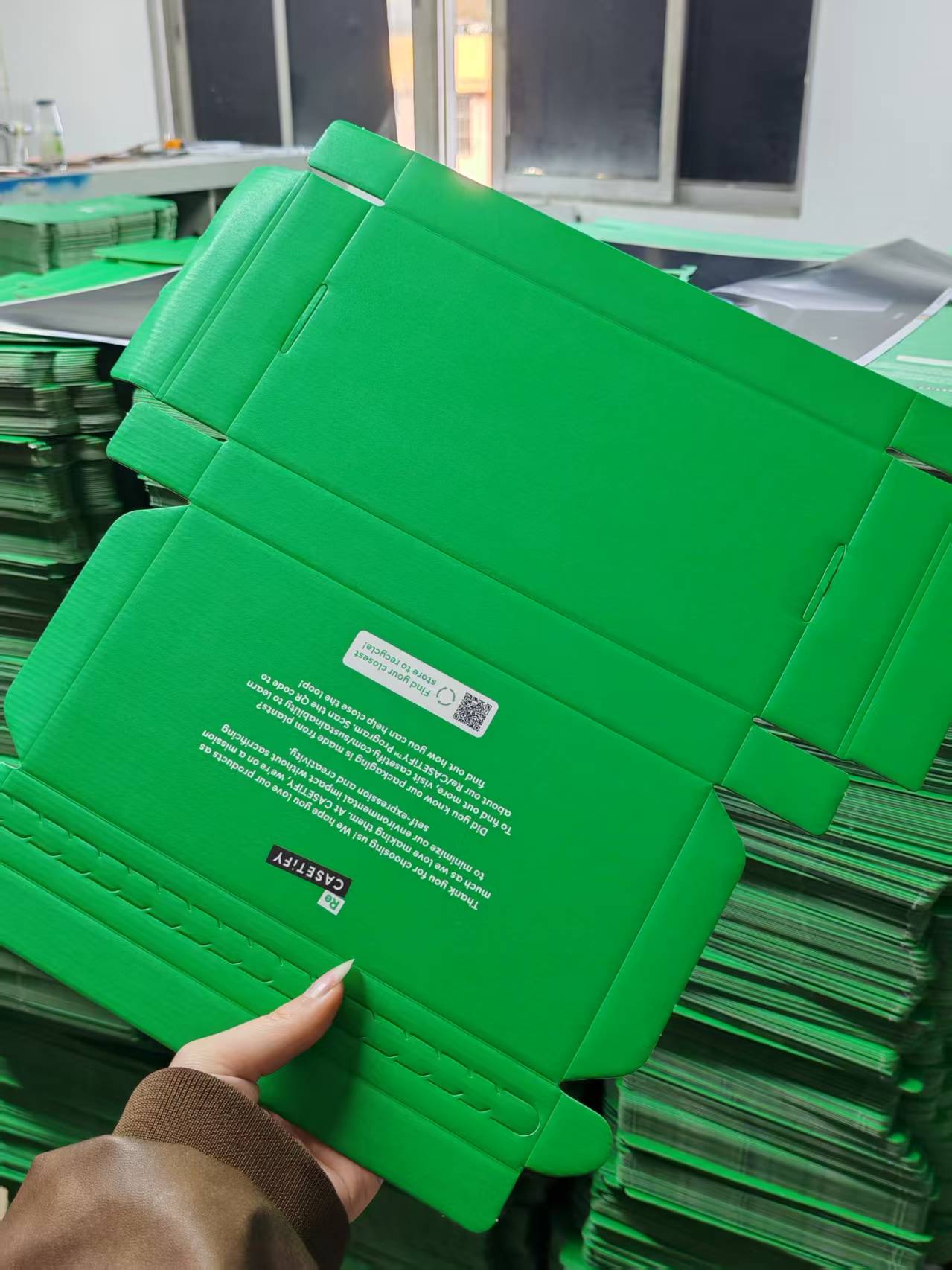
Another shift is material and structural innovation driven by export compliance. As overseas buyers tighten rules on recyclability and single-use plastics, Guangdong converters are pushing molded pulp, paper-based cushioning, and mono-material pouches into mainstream production. These choices ripple outward, altering which packaging substrates dominate regional supply chains and forcing smaller workshops to upgrade or specialize.
The result is a more fragmented, highly adaptive packaging map. Instead of a few mega plants serving national brands, you see clusters of mid-sized converters tied to specific export niches—cosmetics from Guangzhou, toys from Chenghai, hardware from Zhongshan. Each cluster develops its own finishing capabilities and testing routines, making the province a patchwork of packaging micro-hubs rather than a single monolithic base.
Recovery Rates That Turn Trash Into Tomorrow's Boxes
When a cardboard box lands in the blue bin, it’s rarely the end of its story. High recovery rates mean more of that material gets sorted, baled, and shipped to mills rather than buried in a landfill. Old corrugated containers—often called OCC—are prized for their long, strong fibers, which can be re-pulped and formed into fresh linerboard and fluting. The loop feels almost invisible: yesterday’s shipping carton becomes today’s cereal box, then a pizza delivery box tomorrow. What keeps it spinning isn’t luck but a network of collection programs, material recovery facilities, and mills that coordinate to keep fiber out of the waste stream.
But not all recovery is equal. In regions with mature recycling infrastructure, recovery rates for corrugated packaging regularly top 90 percent, partly because the economics work: mills pay for clean bales, haulers route efficiently, and stores back-haul used boxes to distribution centers. On the flip side, contamination—like greasy pizza bottoms or plastic tape left on—can tank a load’s value. That’s why some communities have shifted to dual-stream collection or stricter acceptance guidelines. The payoff isn’t just environmental. Each ton of recycled cardboard saves roughly 17 trees, 7,000 gallons of water, and enough energy to power an average home for six months, though those numbers shift by mill and region. The real point is simpler: trash becomes feedstock, and feedstock becomes tomorrow’s boxes.
Small Factories, Big Changes: The Grassroots Side of China's Paper Shift
In the southern province of Guangdong, a family-run paper mill that once churned out low-grade packaging sheets now runs a single, secondhand corrugating machine on a fraction of its former floor space. The owner, a wiry man in his fifties who learned the trade from his father, explains that the local government’s push toward cleaner production and higher recycled content forced him to either upgrade or shut down. He chose the slower path: installing a small wastewater recycling loop, sourcing wastepaper from nearby garment and electronics factories, and selling his thinner, lighter board to local furniture makers who prize low cost over print quality. It’s a quiet, unglamorous shift—no national headlines, no venture funding—but multiplied across hundreds of such workshops, it’s rewriting the economics of China’s paper industry from the bottom up.
The grassroots transition is messier than any policy document suggests. Some factories repurpose old textile-dyeing vats to soak recycled fibers; others jury-rig solar dryers on factory roofs to cut coal use. In Zhejiang, a cluster of tiny mills has started sharing a single de-inking line, trading pulp batches by weight and moisture content as casually as neighbors swap recipes. These micro-adaptations rarely fit into industrial standards, yet they’ve reduced freshwater intake by as much as forty percent in some villages. Workers, many of them migrant laborers who once handled only raw pulp, now track moisture meters and pH strips with the wary pride of people who know their jobs depend on keeping costs below the next county’s.
What’s striking is not the technology—most of it is decades old—but the social fabric holding it together. Local paper traders act as informal credit brokers, extending payment terms to mills that promise to buy back their sludge for brick-making. Retired engineers from shuttered state-owned plants offer weekend troubleshooting in exchange for meals and cigarettes. In one township, a women’s cooperative sorts wastepaper by hand, separating glossy magazines from corrugated boxes with a speed that no optical sorter has matched. These networks of trust and improvisation are the real engine of the shift, turning what could be a top-down environmental mandate into a daily practice of survival and recalibration.
FAQ
China's scale allows it to invest heavily in recycled fiber processing and water-based inks, which many smaller markets can't afford. The country also has a mature supply chain for fast-growing bamboo and agricultural residue fibers, reducing reliance on virgin wood pulp.
Several Chinese firms now produce molded pulp trays for electronics and cosmetics that match the cushioning performance of foam. They also developed moisture-resistant coatings from plant starch, so paper can replace plastic films in food delivery containers without leaking.
Provincial bans on single-use plastics, especially in coastal cities, forced restaurants and retailers to switch to paper alternatives almost overnight. Subsidies for certified biodegradable coatings further helped smaller packaging plants upgrade their production lines.
In cold-chain shipping, some Chinese suppliers created corrugated boxes with embedded phase-change material that keeps seafood at low temperatures for up to 48 hours. This removed the need for expanded polystyrene boxes, which were hard to recycle.
The biggest issue is inconsistent recycling collection in rural areas, meaning some paper packaging still ends up incinerated. Also, demand for high-white paper leads to bleaching that, if not carefully managed, can create wastewater concerns.
For standard items like food trays, paper options are now only 5-10% more expensive than plastic, down from nearly 30% five years ago. Bulk purchasing by e-commerce platforms and improved die-cutting efficiency have narrowed the gap.
Beyond recycled cardboard, some mills blend wheat straw, sugarcane bagasse, and even bamboo fibers into packaging boards. These grow quickly, absorb carbon during cultivation, and reduce pressure on slow-growing forests.
Expect more smart paper packaging with printed RFID antennas for tracking reusable boxes, and wider use of lignin-based barriers that make paper fully compostable at home. There's also a push to standardize folding designs so returned boxes can be reused directly by other brands.
Conclusion
China has quietly turned paper packaging into a practical engine for cleaner global supply chains. Instead of chasing green labels, mills and converters across Zhejiang and Guangdong have scaled up capacity so fast that recycled board and molded fiber now compete on cost with plastic in many export categories. Policy pressure did much of the heavy lifting: strict bans on single-use plastics, tighter waste-import rules, and mandatory recycling targets pushed domestic producers toward higher recovery rates. The result is a system where old corrugated boxes, office paper, and even agricultural residue re-enter production as new cartons and cushioning, cutting demand for virgin pulp.
What makes China's role distinctive is the mix of alternative fiber and bottom-up change. Bamboo and bagasse pulping has moved beyond pilot stages in Sichuan and Guangxi, giving brands a lower-footprint option without sacrificing strength. Meanwhile, small family-run mills in export hubs have adopted shared water-treatment and pulping equipment, upgrading their output while keeping costs low. Guangdong's packaging clusters now handle short-run, custom orders for electronics and furniture, compressing delivery times and reducing overpacking. Recovery rates in major cities routinely exceed 80 percent for corrugated material, and collection networks have reached rural townships. This blend of state direction, grassroots adaptation, and material innovation is pushing eco-friendly packaging from a premium niche toward the default setting for global buyers.
Contact Us
Contact Person: Sunnie
Email: [email protected]
Tel/WhatsApp: +8615818596517
Website: https://www.imagine-craft.com/