

Best Tactile Paving: Safe and Accessible Sidewalk Solutions
2026-03-30
As cityscapes evolve, the quest for inclusive urban design takes center stage. This blog explores how tactile paving, an often overlooked element, transforms sidewalks into pathways of safety and accessibility for all. We'll delve into innovative solutions that not only meet standards but enhance community wellbeing. Among these advancements, Beata Ceramics stands out, blending durability with aesthetic appeal to create surfaces that empower movement and connection. Stay with us to uncover the best tactile paving options and how they're shaping accessible environments for generations to come.
Innovative Materials for Enhanced Sidewalk Safety
In the pursuit of safer urban walkways, recent developments in material science have introduced innovative substances that drastically improve sidewalk durability and slip resistance. For example, advanced polymer composites blended with recycled glass or rubber can create surfaces that absorb moisture effectively, reducing ice formation in colder climates while maintaining a firm grip underfoot. These materials often incorporate micro-textures or embedded aggregates that enhance traction without compromising accessibility for wheelchairs or strollers, making sidewalks more inclusive and reliable year-round.
Another breakthrough involves the use of photoluminescent aggregates in concrete mixes, which store solar energy during the day and emit a gentle glow at night. This not only illuminates pathways, reducing the need for external lighting and lowering energy costs, but also enhances visibility for pedestrians during evening hours, thereby decreasing accident risks. Coupled with self-healing concrete that uses bacteria to repair minor cracks, this approach extends the lifespan of sidewalks while minimizing maintenance disruptions and ensuring consistent safety over time.
Furthermore, permeable pavements made from porous asphalt or pervious concrete allow rainwater to seep through rather than pooling on the surface, addressing both slip hazards and urban flooding. By integrating smart sensors into these materials, municipalities can monitor conditions like temperature and moisture levels in real-time, enabling proactive maintenance and timely alerts for potential icy patches. Together, these innovations represent a shift toward more resilient and adaptive infrastructure, where sidewalks not only protect pedestrians but also contribute to broader environmental sustainability goals.
Design Principles for Universal Accessibility
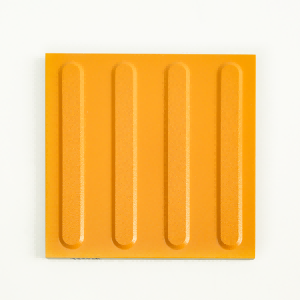
Universal accessibility in design is more than just a technical specification—it’s a fundamental commitment to inclusivity that shapes how products and services are experienced by everyone, including individuals with diverse abilities. At its core, these principles emphasize creating environments, both digital and physical, where barriers are minimized and participation is maximized, ensuring that no one is left behind due to design oversights. By integrating considerations from the outset, designers can craft solutions that are not only functional but also empowering, fostering a sense of belonging and independence for users across all walks of life.
A key aspect of these principles involves adopting a proactive approach rather than retrofitting accessibility features as an afterthought. This means engaging with real users throughout the development process, listening to their feedback, and testing designs in varied contexts to uncover hidden obstacles. For example, incorporating high-contrast colors and clear typography benefits not only those with visual impairments but also enhances readability for anyone in low-light conditions. Similarly, intuitive navigation and voice command options can support individuals with motor disabilities while offering convenience to all users, highlighting how inclusive design often yields broader usability improvements.
Ultimately, the goal is to build a seamless and equitable user experience that respects diversity and promotes social equity. When designers prioritize universal accessibility, they contribute to a more just and connected world where innovation serves everyone equally, breaking down stereotypes and fostering empathy in the process. By embedding these principles into everyday practice, organizations can create lasting positive impacts, ensuring that their offerings are not only compliant with standards but also celebrated for their thoughtful and human-centered approach.
Durable Solutions for Urban Environments
As cities grow and face mounting pressures from climate change, population growth, and resource scarcity, finding durable solutions for urban environments isn't just a goal—it's a necessity for survival and well-being. These solutions go beyond quick fixes, focusing on long-term resilience and adaptability. For instance, incorporating green infrastructure like rain gardens and permeable pavements can manage stormwater effectively while enhancing biodiversity, turning conventional problems into opportunities for ecological balance. By prioritizing durability, urban planners can create spaces that not only withstand shocks but also improve quality of life over generations.
One of the most compelling aspects of durable urban solutions is their ability to integrate technology and nature seamlessly. Smart grids that optimize energy use, combined with urban forests that cool the air and reduce pollution, illustrate how innovation can be harnessed sustainably. This synergy ensures that cities remain livable even as they expand, addressing issues like heat islands and waste management through interconnected systems. It's about building environments that learn and evolve, rather than just enduring the challenges thrown their way.
Ultimately, the pursuit of durable solutions requires a collaborative approach, engaging communities, governments, and private sectors in co-creating resilient urban landscapes. From retrofitting old buildings with energy-efficient materials to designing multi-use public spaces that foster social cohesion, every element contributes to a city's long-term viability. By focusing on durability, we move away from temporary measures and toward creating urban environments that are not only robust but also inclusive and adaptable to future changes, ensuring they thrive for years to come.
Integrating Tactile Paving into Modern Infrastructure
Tactile paving is increasingly being woven into the fabric of modern infrastructure, moving beyond its traditional role as a simple accessibility feature. In urban renewal projects, designers are integrating these textured surfaces seamlessly with sleek materials like polished concrete or sustainable composites, ensuring they don't disrupt aesthetic flows. Innovations include solar-charged LED indicators embedded within the paving to guide visually impaired users at night, while smart sensors can detect foot traffic and adjust lighting or alert systems in real-time. This synergy transforms tactile elements from static markers into dynamic, interactive components of smart cities.
Beyond sidewalks, tactile paving is now being incorporated into transit hubs, parks, and even corporate campuses, emphasizing universal design principles that benefit everyone. For instance, at a new multimodal station in Copenhagen, ribbed patterns not only warn of platform edges but also align with acoustic designs to reduce ambient noise, enhancing safety and comfort. Materials are chosen for durability and low maintenance, such as recycled rubber blends that provide better grip in wet conditions, showcasing how environmental sustainability pairs with long-term functionality.
The integration process involves close collaboration between urban planners, engineers, and disability advocates to avoid common pitfalls like improper placement or material degradation. In Tokyo, for example, trials with color-contrasted tactile tiles have improved navigation in complex intersections, supported by public education campaigns. By embedding these features early in infrastructure planning, cities can create more inclusive environments that adapt to evolving needs, proving that tactile paving is not just an add-on but a cornerstone of forward-thinking urban development.
Cost-Effective Installations for Public Spaces
When planning installations for public areas, striking a balance between quality and affordability is key. Rather than cutting corners, focus on smart material choices and durable designs that reduce long-term maintenance costs. For instance, using recycled or locally sourced materials not only lowers expenses but also adds a unique, sustainable touch that resonates with community values.
Innovative approaches, such as modular installations that allow for easy updates or expansions, can enhance cost-effectiveness. These adaptable setups let public spaces evolve without hefty re-investments, keeping them fresh and engaging for visitors. Collaborating with local artists or makers can also introduce budget-friendly yet striking elements that reflect the area's character.
Another practical tip is to prioritize multi-functional designs that serve multiple purposes, like seating that doubles as green space or lighting that incorporates interactive features. This maximizes value from every installation, ensuring public funds are used wisely while creating inviting environments that encourage social interaction and enjoyment.
Case Studies of Successful Accessibility Projects
Success in accessibility often comes from blending innovative technology with deep user empathy, as seen in projects like the VoiceOver integration on Apple devices. This feature, while often taken for granted, evolved from extensive testing with visually impaired communities, transforming how millions interact with their phones daily. What sets it apart isn't just the tech—it's the ongoing collaboration with users, leading to subtle improvements like customizable gestures and real-time audio descriptions that feel intuitive rather than imposed.
Another standout example is the redesign of public transportation websites in cities like London and New York, which tackled accessibility barriers beyond mere compliance. By involving people with diverse disabilities in co-design sessions, these projects introduced features like simplified navigation paths, high-contrast modes, and predictive text for complex route planning. The real win was the ripple effect: as these sites became more usable for everyone, they inadvertently boosted overall engagement and reduced customer service calls, proving that accessibility can drive broader business benefits.
In the digital space, the accessibility overhaul of major streaming platforms demonstrates how inclusivity can reshape entertainment. Netflix's audio descriptions and closed captions, for instance, didn't just meet guidelines—they were crafted with input from deaf and hard-of-hearing viewers, resulting in nuanced subtitles that capture tone and context. This focus on quality over checkbox compliance has sparked a trend where accessible features are now a selling point, appealing to a wider audience and fostering a more inclusive media landscape.
FAQ
Tactile paving consists of textured ground surfaces that provide tactile cues to visually impaired individuals, enhancing safety and mobility by indicating hazards or direction changes. Its importance lies in promoting independent navigation and reducing accidents in public spaces like sidewalks.
Tactile paving introduces standardized textures, such as blister or directional patterns, which alert users to potential dangers like curbs or crossings, whereas traditional designs often lack such cues, increasing risks for those with vision impairments.
Common materials include concrete, rubber, and composite plastics, with rubber being favored for its durability, slip resistance, and ease of installation, making it a top choice for long-term safety and maintenance in pedestrian areas.
Yes, manufacturers can adapt tactile paving with materials like weather-resistant polymers or anti-icing additives to withstand snow, rain, or heat, ensuring consistent performance and accessibility across various climates and seasons.
Installation should follow guidelines like ADA or ISO standards, focusing on proper placement near crossings and hazards, consistent spacing of patterns, and regular maintenance to prevent wear and tear that could compromise effectiveness.
Tactile paving can complement smart city projects by being paired with sensors or IoT devices that monitor foot traffic or send alerts to apps, enhancing safety through real-time data and adaptive urban planning for inclusive environments.
Conclusion
The pursuit of the best tactile paving solutions emphasizes a holistic approach to sidewalk safety and accessibility, integrating innovative materials and thoughtful design principles. Modern advancements utilize durable composites and weather-resistant textures that enhance tactile feedback while withstanding urban wear and tear, ensuring reliable navigation for visually impaired individuals. By focusing on universal accessibility, these designs incorporate contrasting colors and standardized patterns that align with international guidelines, making public spaces more inclusive. The integration of tactile paving into contemporary infrastructure not only improves safety but also complements aesthetic urban planning, blending functionality with modern architectural trends.
Practical implementation is further supported by cost-effective installations and durable solutions tailored for diverse public environments, from bustling city centers to residential neighborhoods. Case studies of successful projects demonstrate how strategic planning and community engagement lead to enhanced accessibility outcomes. These examples highlight the real-world impact of well-executed tactile paving systems, showcasing improvements in pedestrian mobility and public safety. Ultimately, the evolution of tactile paving reflects a commitment to creating equitable urban landscapes where safety and accessibility are seamlessly woven into everyday infrastructure.
Contact Us
Contact Person: Emma
Email: [email protected]
Tel/WhatsApp: 8618064423698
Website: https://www.beataceramics.com/