

Best Strength Equipment for Building Full-Body Power at Home
2026-11-02
Turning a spare corner into a serious strength-training zone isn't about buying every gadget you see online—it's about selecting a few pieces that actually build full-body power without eating up your living space. Whether you're training around a tight schedule or just done with crowded gyms, the right equipment can make home workouts feel less like a compromise and more like an upgrade. And if you're wondering where to start, Yingruis has been quietly earning a reputation for tools that hold up to real training. This guide cuts through the noise and focuses on the gear that genuinely deserves a place in your setup.
Compact Power Racks That Fit Any Corner
No dedicated gym space? These compact power racks slip right into unused corners and still offer full safety for heavy lifts. Instead of chewing up half your room, they let you squat, bench, and pull with confidence in a footprint that barely registers.
Most corner-friendly designs sacrifice little beyond extra plate storage — you get adjustable J-hooks, spotter arms, and pull-up bars crammed into a frame that hugs the wall angle. The trick is finding one with a narrow enough depth to clear your door swing while keeping the uprights stable under load.
Pair one with a fold-up bench and a couple of bumper plates, and a 6-by-6-foot corner becomes a surprisingly complete setup. The rack doesn't just fit the space; it makes the space feel intentional, not crammed.
Adjustable Dumbbells for Progressive Overload
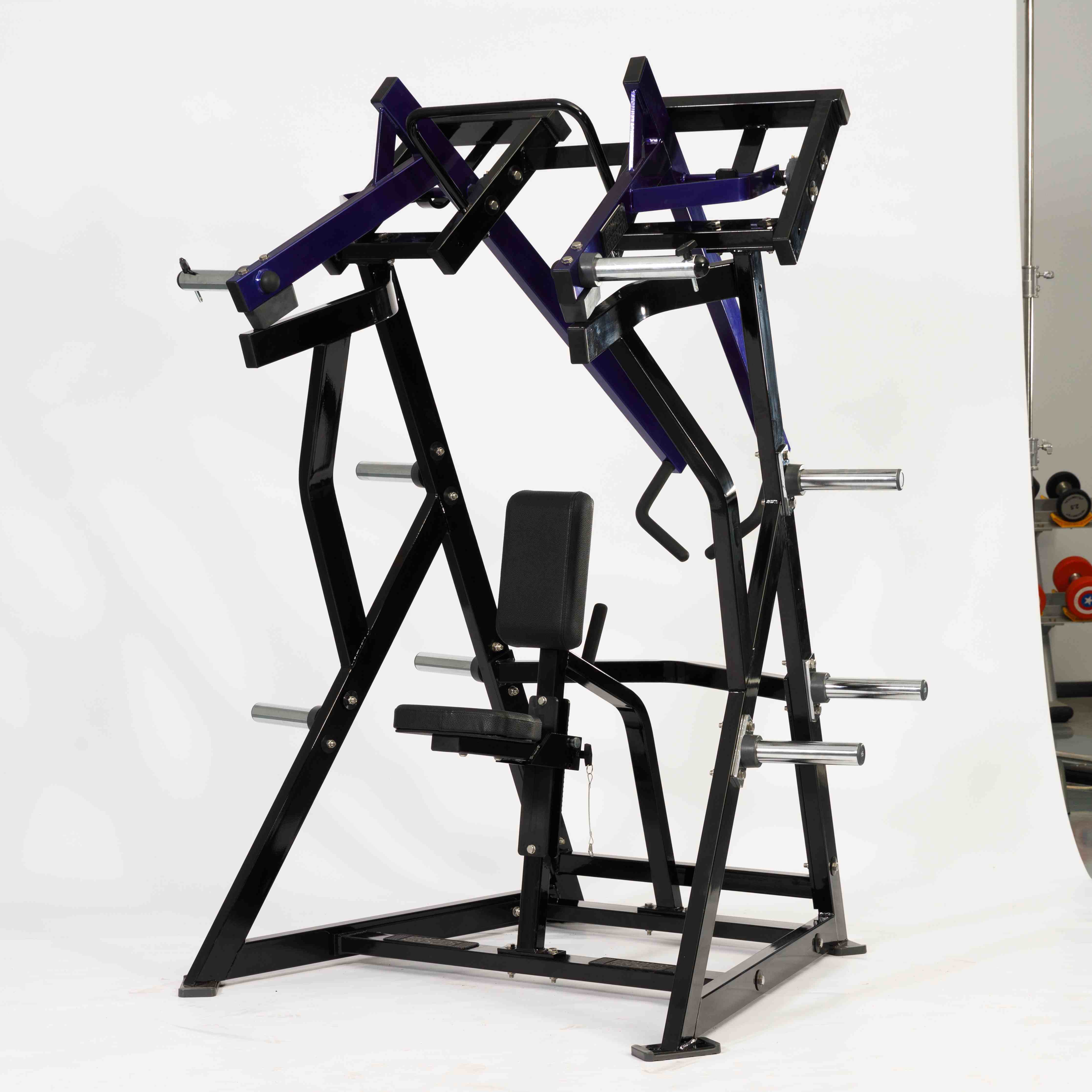
The real advantage of adjustable dumbbells isn't just saving space; it's that they let you add weight in small enough increments to keep progress moving. A jump from 25 to 30 pounds might feel impossible on fixed pairs, but dialling in 27.5 or even a 2.5-pound plate change keeps the next set within reach. That matters most when linear gains stall and you need a finer notch to push through a plateau.
For home lifters, progressive overload often stalls because the next standard dumbbell is too heavy or the room can't hold a full rack. Adjustable sets solve both by compressing dozens of weights into one footprint and letting you load asymmetrically if needed for unilateral work. The key is to treat each micro-increase as a training decision, not a convenience: hold the same rep range, add the smallest available increment, and let the body adapt before reaching for another plate.
Kettlebells for Explosive Full-Body Circuits
Most gym tools force you to choose between raw power and conditioning, but kettlebells blur that line naturally. Because the weight sits away from your hand, every swing, clean, or snatch demands rapid hip extension plus a split-second stabilization from your core and grip. That combination makes even a short circuit feel like a full-body sprint. Unlike barbell work, you don't need to load heavy plates to generate force — the acceleration of the bell does the job.
A solid explosive circuit pairs a lower-body hinge with an overhead or rotational movement, keeping rest periods under 30 seconds. For example, alternate double kettlebell swings with push presses, then drop into goblet squat jumps before finishing with a single-arm clean and jerk. Focus on snapping the hips hard at the top of each rep and catching the bell softly rather than muscling it. Two or three rounds are enough to leave your lungs burning while your joints stay fresh.
Resistance Bands for Joint-Friendly Strength
Unlike free weights that lock you into a fixed path, resistance bands let your joints dictate the range of motion. This built-in give means less grinding on knees, shoulders, and wrists—especially on days when your body feels creaky. A band's tension ramps up gradually instead of hitting you all at once, so you can push hard without the shock load that often aggravates old injuries.
Try anchoring a medium band low for a standing row, or loop one around your thighs for monster walks that wake up sleepy glutes. The real trick is slowing down the return phase: resisting the band's pull as it snaps back builds strength at the exact angles where joints tend to be weakest. You'll notice fewer achy mornings and more confidence moving through daily life.
Most people underestimate how much control they gain by swapping a heavy dumbbell for a lighter band with a slower tempo. It's not about lifting less—it's about teaching your tendons and ligaments to handle tension without inflammation. Rotate bands into two or three sessions a week, and give your joints a break from the relentless grind of iron.
Weighted Vests for Bodyweight Upgrades
If your push-ups and pull-ups have stalled, a weighted vest is one of the simplest ways to add progressive overload without changing your workout location. Start with about 5 percent of your body weight—usually a 10-20 pound vest for most people—and keep the rep range the same as your unweighted sets. The extra load forces your chest, shoulders, and triceps to work harder while still letting you use familiar movement patterns.
What makes a vest different from holding a dumbbell between your feet is how it distributes weight across your torso. You'll notice your core has to brace more during dips and pull-ups because the load sits higher than you're used to. Many vests have removable weight packets, so you can adjust in small increments instead of making big jumps that wreck your form.
For lower-body days, walking lunges and step-ups with a vest feel much closer to real-world carrying than barbell squats do. Just avoid adding vest weight to high-impact moves like box jumps or sprinting until your ankles and knees have adapted. A 20-minute session with a moderate vest can leave your legs shaking if you pace it right.
Sandbags for Functional Grip and Core Work
Sandbags feel alive in your hands. The load shifts with every step, the fabric bunches, and your fingers have to constantly readjust—no two reps are ever the same. That unpredictability is precisely what makes them so effective for grip. Whether you're pinching a fold of canvas, crushing the bag against your chest, or hooking your fingers under a loose seam, your hands and forearms are forced to work in ways that smooth steel handles never demand.
Your core gets dragged into the fight almost immediately. A front-loaded sandbag carry or a bear hug squat creates a constant forward pull that your trunk has to resist, while shouldering the bag introduces an uneven, twisting load. Because the contents settle and shift, there's no static brace to rely on—your obliques, deep abdominals, and lower back have to fire and adjust on the fly just to keep you upright.
The result is a kind of strength that carries over to real life. Picking up a heavy, awkward object, moving it across uneven ground, or hoisting it onto a shelf all feel less intimidating once you've spent time wrestling a sandbag. It's not about chasing numbers or perfect form; it's about learning to stay strong while everything around you refuses to sit still.
FAQ
A pair of adjustable dumbbells with a flat bench covers more ground than almost anything else. You can go heavy enough for pressing, rowing, and Bulgarian split squats, and the bench adds support for chest work and step-ups. Look for a set that adjusts from 5 to 50 pounds at minimum, with quick-change plates if you plan to superset.
Yes, if you buy a compact or folding rack and plan the layout carefully. Aim for a 6-by-8-foot footprint so you have clearance to load the bar and step back for squats. Ceiling height matters more than floor space—make sure you can press overhead without hitting a light fixture.
Bands work surprisingly well for explosive training—think banded deadlifts, jumps, and speed squats—and they’re unbeatable for small spaces. But for raw limit strength, you’ll eventually want heavy iron. Pair heavy resistance bands with a door anchor and a few dumbbells, and you can train every movement pattern without a rack.
A heavy kettlebell or two, plus a sandbag. Kettlebell swings, goblet squats, and single-leg deadlifts build hip drive and power. Sandbag shouldering, carries, and ground-to-overhead give you a brutal full-body workout. Both store in a corner and cost less than a barbell and plates.
If you want to get genuinely strong, yes. Dumbbells cap out for most home models around 50 to 80 pounds per hand, which limits your squat and deadlift progression. A barbell with 300 pounds of plates and a basic squat stand lets you push past that ceiling and train more efficiently with heavier loads.
A landmine attachment. It bolts to the floor or slides onto a rack post, and with an Olympic barbell you can do landmine presses, rows, rotational twists, and one-arm deadlifts. It’s easier on the shoulders than overhead pressing and adds a rotational power component that dumbbells and kettlebells don’t hit as directly.
For a long time, yes—especially if you have a heavy kettlebell or two. Double kettlebell front squats, clean and jerks, snatches, and rows hit the whole body. Add pull-ups and dips, and you’ve got pressing, pulling, squatting, and hinging covered. The ceiling comes when you need absolute strength, but for most people it’s plenty.
Conclusion
A compact power rack might sound like a piece of commercial gym gear, but the best modern designs tuck neatly into a corner and still let you squat, bench, and do pull-ups with real weight. Pair it with a set of adjustable dumbbells, and you suddenly have a full dumbbell rack in the space of a single pair. That combination alone covers the heavy, foundational lifts that drive full-body strength. What makes it work at home is how the rack gives you a safe spotter-free setup, while the adjustable dumbbells let you add small increments week after week, so progressive overload never stalls just because you are training in a spare room.
For power that translates beyond slow lifts, kettlebells bring explosive hip drive and full-body circuits into play, while resistance bands add joint-friendly tension that is perfect for warm-ups, accessory work, or recovery days without beating up your elbows and shoulders. If bodyweight training is already part of your routine, a weighted vest turns push-ups, lunges, and step-ups into serious strength builders without needing more floor space. And when you want to test your grip and core under awkward, shifting loads, sandbags are hard to beat. They force your trunk to stabilize in ways a barbell never will. Together, these tools create a home setup that feels less like a compromise and more like a complete power-building gym.
Contact Us
Contact Person: Owen Wu
Email: [email protected]
Tel/WhatsApp: 86-15376736259
Website: https://www.yingruisfit.com/