

Best Garage Door: Top Picks, Buying Tips, and Expert Advice for Homeowners
2026-07-10
Choosing the right garage door isn't just about curb appeal—it's about security, energy efficiency, and long-term reliability. With countless materials, styles, and technical specs to weigh, even seasoned homeowners can feel lost. In this guide, we cut through the noise with top picks, honest buying advice, and insider tips. And when you're ready to upgrade, NORTON has the durable, high-performance options you've been looking for.
What to Look for in a Garage Door Material
When picking a garage door material, durability should top your list. It’s not just about surviving bad weather—think about how often you use the door and what kind of abuse it might take, like stray basketballs or a busy driveway. Steel holds up well, but if you live near the coast, salt air can eat through it unless it’s properly treated. Wood offers timeless charm but demands regular upkeep to prevent rot and warping. Fiberglass can mimic wood but may become brittle in extreme cold. Weight plays a role too; heavier materials require stronger openers and springs, which can add to long-term costs.
Insulation is another factor that’s easy to overlook until your energy bill spikes. A door with good insulation keeps your garage—and any adjacent rooms—more comfortable year-round. Look at the R-value: higher numbers mean better thermal resistance. Polyurethane-filled doors typically outperform polystyrene ones, though they cost more. Even if your garage isn’t heated, insulation dampens noise, which matters if you have a workshop or bedroom above. Some materials, like composite faux-wood, blend decent insulation with authentic styling without the maintenance headaches of real lumber.
Don’t forget about the visual impact. Your garage door often dominates your home’s street-facing view, so the material you choose sets the tone for curb appeal. Steel can be embossed with a wood-grain finish, giving you the look without the fuss. Wood, of course, provides genuine warmth, but pair it with a climate-appropriate finish and be prepared for periodic sanding and sealing. Newer composite materials bridge the gap, resisting dents and moisture while offering a convincing wood-like texture. Weigh the upfront price against how long you plan to stay in the house—cheaper doors might save money now but cost more in repairs or replacement down the line.
Why Insulation Matters More Than You Think
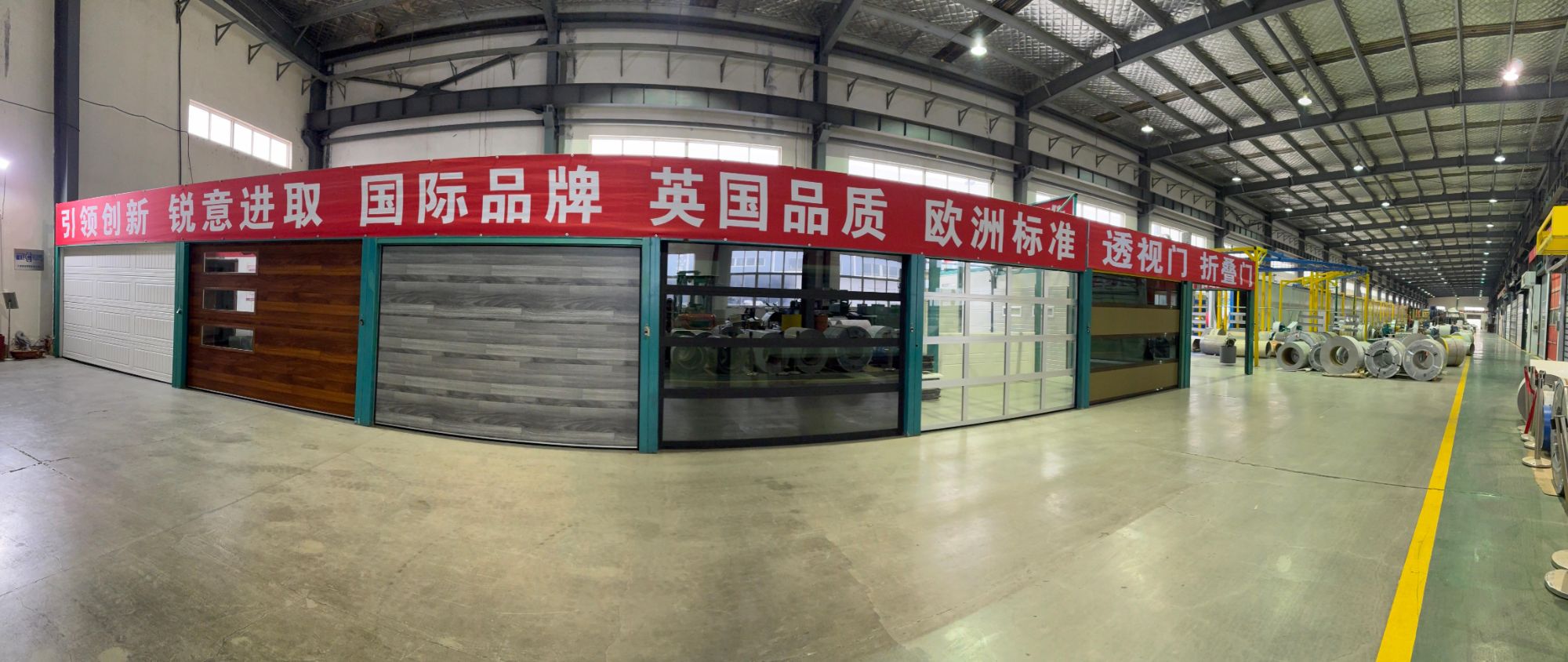
Most people think insulation is just about staying warm in winter, but that’s only scratching the surface. A well-insulated home actually stabilizes indoor temperatures year-round, reducing strain on your heating and cooling systems. This means consistent comfort—no more freezing floors in January or sweltering bedrooms in July—and a noticeable drop in energy bills without constant thermostat adjustments.
What often goes unnoticed is insulation’s role in protecting your home’s structure. Trapped moisture from condensation can silently rot wood, warp drywall, and encourage mold behind walls. Proper insulation acts as a barrier, keeping the dew point in check and safeguarding the bones of your house. Over time, this can prevent repair costs that dwarf what you’d ever spend on insulation itself.
Styles That Blend Form and Function
The best designs don’t force you to choose between beauty and utility—they meld them into a single, seamless experience. Think of a chair that cradles your body perfectly while sculpting the room with its silhouette, or a lamp that casts a warm, precise glow while doubling as a piece of sculptural art. These objects earn their place not just by looking good, but by making daily rituals feel a little more intentional. When form and function truly sync, the result is something that feels inevitable, as if it couldn’t exist any other way.
This philosophy shows up vividly in modern furniture, where clean lines and honest materials do more than catch the eye—they serve a purpose. A solid wood table with softly rounded edges invites touch and gathers people naturally, its surface bearing the subtle marks of use that only deepen its character. Even storage becomes expressive: woven baskets that corral clutter while adding texture, or shelving that turns your belongings into a curated display. The trick is in the details—every curve, joint, and finish is considered not just for aesthetics, but for how it will be lived with over years.
Beyond the home, the blend of form and function can transform the everyday tools we reach for without thinking. A chef’s knife balanced so perfectly it becomes an extension of the hand; a notebook with paper that welcomes ink and a cover that softens with age; lighting that adjusts its color and intensity to match your mood. These aren’t just well-designed objects—they’re quiet partners in the way we move through our days. They remind us that good design isn’t about shouting for attention, but about fitting so flawlessly into our lives that we forget it was ever designed at all.
Setting a Realistic Budget for Your Upgrade
Before you get swept up in the excitement of faster processors or sharper displays, take a hard look at what you actually need versus what you want. An honest assessment of your daily tasks can prevent overspending on specs that'll never be pushed. For example, if your heaviest software is a web browser and a word processor, pouring money into a high-end graphics card is wasted potential. Instead, anchor your budget to the performance level that genuinely improves your everyday experience, and don't let shiny marketing blur that line.
Once you've pinpointed your must-haves, factor in the less glamorous but essential costs. A significant upgrade often has a ripple effect—new components might demand a more robust power supply, faster RAM to avoid bottlenecks, or even a new motherboard to tie everything together. It's easy to forget about cooling solutions, cable management, or the potential need for professional installation if you're not comfortable doing it yourself. Build a buffer of around 15–20% into your initial estimate to cover these hidden expenses, so you're not caught off guard halfway through the build.
Finally, consider the lifespan you expect from your upgrade. Spending a little more now on quality parts can extend the time before your next overhaul, saving you money in the long run. Scour user reviews, community forums, and reliability ratings to identify components known for their endurance rather than just flashy launch-day performance. A realistic budget isn't the bare minimum it takes to get by—it's a thoughtful balance between current limitations, future needs, and the peace of mind that comes from a stable, well-matched system.
Safety Features That Deserve Your Attention
Modern vehicles come equipped with a suite of protective technologies that often go overlooked. Instead of just ticking boxes, the most impactful innovations work quietly in the background, ready to step in when human reflexes aren't enough. From subtle alerts that keep you in your lane to automatic braking that reacts faster than you can, these systems are designed not just to protect but to prevent.
One standout is the adaptive cruise control with stop-and-go capability, which transforms tedious traffic jams into manageable drives. It's not just about maintaining speed; it scans the road ahead, adjusting distances seamlessly, and can bring you to a complete halt without your foot ever touching the pedal. Paired with blind-spot intervention that actively nudges you back if you miss a vehicle in your periphery, such features feel less like add-ons and more like a co-pilot with unblinking attention.
Perhaps most valuable are the less flashy but critical systems: advanced airbag configurations that tailor deployment to crash severity and occupant position, or rear occupant alerts that remind you to check the back seat before walking away. These aren't just speculative luxuries—they're real-world safeguards that can make all the difference when seconds count. The best safety tech doesn't demand attention; it earns it by being utterly dependable when it matters most.
Simple Maintenance Tips to Extend Its Lifespan
Keeping things in good shape doesn't have to be a chore. Start by making a habit of cleaning out the nooks and crannies that often get overlooked. Dust, grime, and tiny particles can work their way into moving parts, causing unnecessary friction and wear. A soft brush or a blast of compressed air can work wonders here. Also, check for loose screws or fittings every few weeks — a quick tighten now can prevent bigger wobbles and damage down the line.
Lubrication is your quiet hero. A drop of the right oil on hinges, slides, or bearings reduces strain and keeps motion smooth and quiet. But resist the urge to overdo it; excess lube attracts dirt and becomes a sticky mess. Stick to manufacturer recommendations for the type and frequency, and you'll see a noticeable difference in how effortlessly things move.
Finally, pay attention to the environment. Moisture and extreme temperatures are silent killers. If possible, store or use your equipment away from damp basements or scorching attics. A simple cover can shield it from dust and sunlight when not in use. Thoughtful placement and a bit of protective care add years to its life without costing much effort.
FAQ
Focus on material, insulation, style, and security features. Steel doors with polyurethane insulation offer great durability and energy efficiency, while wood provides a classic look but needs more upkeep. Also, check the warranty and make sure the opener is compatible.
If you live in a cold region, a door with high R-value insulation helps retain heat. For hot climates, reflective insulation can reduce heat gain. An insulated door also quiets down operation, so it's worth it even in moderate temperatures.
Brands like Clopay, Amarr, and Wayne Dalton consistently rank high for quality and design options. LiftMaster and Chamberlain are go-to names for openers. Look for models with good customer reviews and solid warranties.
Belt drives run quieter and are ideal if the garage is attached to your living space. Chain drives are more affordable and durable, but noisier. Consider a screw drive for minimal maintenance in mild climates.
Absolutely. Smart openers let you control and monitor your garage door from your phone, get alerts, and set automatic closing schedules. It's a convenient security upgrade that blends well with modern smart homes.
While a handy person can handle a basic replacement, professional installation is safer for torsion springs and heavy doors. Mistakes can be dangerous, so if you’re not experienced, the extra cost is well worth the peace of mind.
Conclusion
Choosing the best garage door involves more than just picking a style you like—it’s about balancing durability, energy efficiency, and safety while staying within your budget. Start with the material: steel offers strength and low maintenance, while wood delivers timeless charm but requires more upkeep. Insulation is often overlooked, yet it can dramatically affect your energy bills and comfort, especially if your garage is attached to your home. Look for an R-value that matches your climate; a well-insulated door also reduces noise and improves longevity. Style-wise, modern designs with clean lines or carriage-house accents can boost curb appeal without sacrificing functionality, so consider options with windows or custom finishes that complement your home’s architecture.
Budgeting realistically means factoring in not just the door itself, but installation, opener upgrades, and any necessary framing repairs. Don’t skimp on safety features: pinch-resistant panels, auto-reverse mechanisms, and motion sensors can prevent accidents, especially in households with children or pets. Finally, extend your investment with simple maintenance—lubricate springs and hinges every six months, check balance regularly, and clean tracks to prevent buildup. A top-tier garage door blends these elements seamlessly, giving you a reliable, attractive entry point that performs year after year with minimal hassle.
Contact Us
Contact Person: Cyril He
Email: [email protected]
Tel/WhatsApp: 8613969697307
Website: https://cqyqgd.en.alibaba.com/